
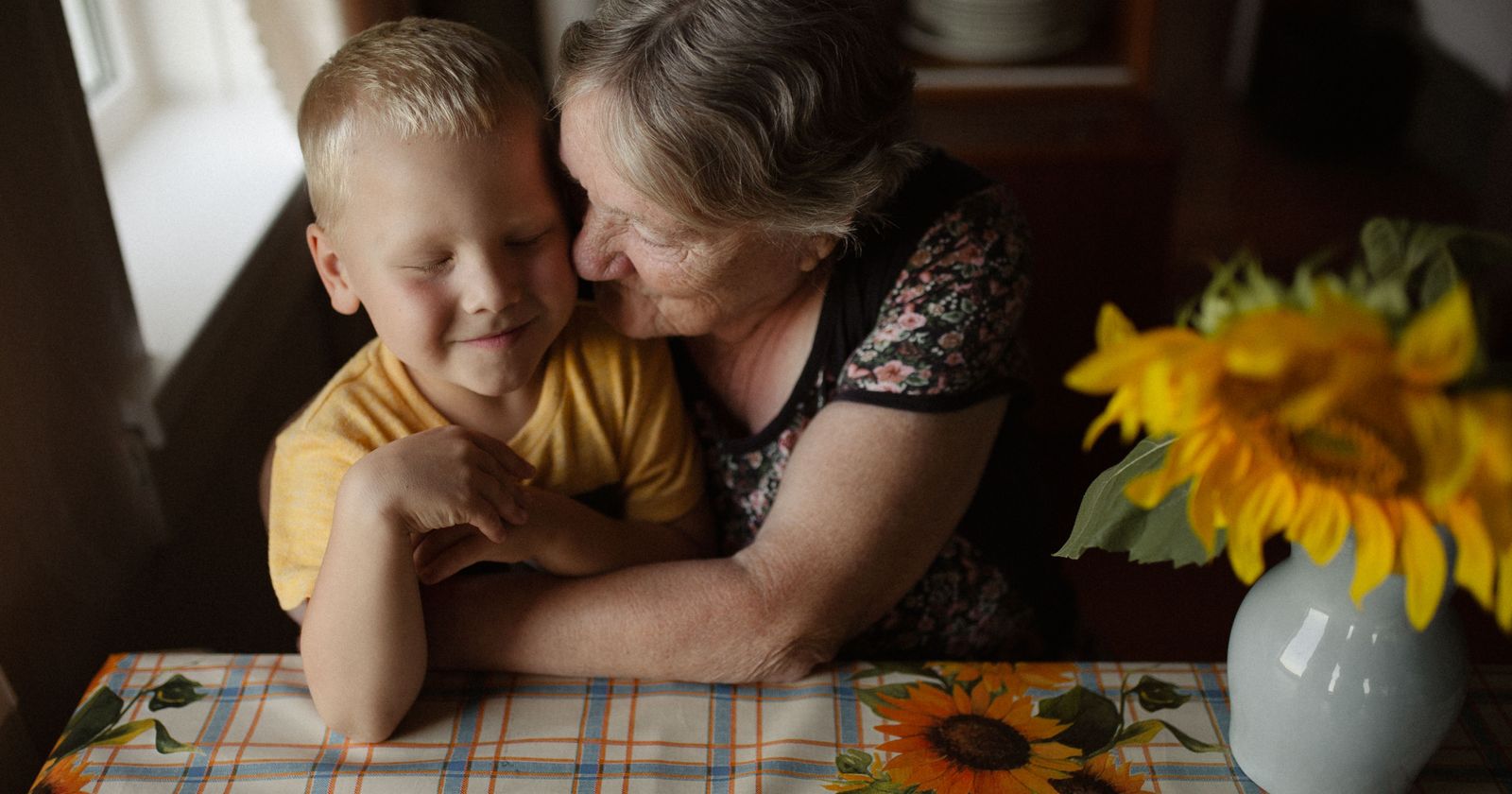
Grandma comes through the front door, and a nine-year-old gets up off the couch, puts the tablet down and walks over to say hello.
It takes about four seconds. Nobody would call it formal. But it’s the kind of thing the adults in the room notice, and remember.
Plenty of old-fashioned manners have aged badly, and few people miss knowing which fork belongs to the fish course. The eight below made our list for a different reason: each one is about making another person feel noticed, not about proving you know the rules. They cost nothing, they work at any income, and most of them can be taught to a child long before they’re tall enough to set the table.
The Artful Parent
Family-life ideas and sharp reads, in your inbox.
1. Pausing to greet people when they arrive
Standing when someone walked into the room used to be standard. Now it’s easy to call “Hi!” from the kitchen without looking up.
Pause what you’re doing and acknowledge the person arriving. That might mean getting up to welcome them, turning toward them, or offering a warm hello from where you’re sitting. The important part is making room for their arrival.
With kids, the habit is simple: when someone comes in, we stop what we’re doing and say hello. A greeting doesn’t have to include a hug or physical contact. A wave or a few friendly words can be enough. Goodbyes work the same way. Seeing someone off properly, instead of calling “Bye!” from the other room, ends a visit as warmly as it started.
2. Introducing people properly
You’re at a school event chatting with another parent when a friend walks up. In the awkward version, everyone stands there half-smiling, unsure whether they’re supposed to know each other.
The old-fashioned version takes one sentence: “Dana, this is Mark. His daughter’s in Ellie’s class, and they just moved here from Denver.” Two names, plus one thing to talk about.
That small detail does most of the work. It saves two people from starting from nothing, and it shows you were paying attention to both of them. If a name has slipped your mind, owning it (“I’m so sorry, I’ve gone completely blank on your name”) is far more graceful than skipping the introduction.
3. Waiting until everyone has been served
The food arrives, and one person is already halfway through their plate while the cook is still carrying in the last dish.
Waiting until everyone is seated, or until the host picks up a fork, is one of the oldest table manners there is, and one of the most noticeable when it’s missing. It turns a meal into something shared instead of a row of people eating at the same time.
At home, you might pause until everyone is settled and check whether the person serving needs a hand. If the host encourages you to begin, or someone needs to eat sooner, that’s fine. The habit you’re teaching is consideration for the people sharing the meal.
4. Answering invitations, and showing up when you said yes
RSVP is short for the French “répondez s’il vous plaît,” or “please reply.” It’s printed on invitations because so many people don’t.
Anyone who has planned a child’s birthday party knows the feeling. Twenty invitations go out, six families answer, and on the day you’re guessing how many pizzas to order. A quick “We’d love to come” or “We can’t make it, but thank you for asking,” sent by the date on the invitation, is a real kindness to the host.
The second half matters just as much. If you said yes, come. If plans change, tell the host as soon as you know, rather than simply not appearing.
5. Saying thank you in writing
A thank-you note is one of the most recognizable old-fashioned manners left, partly because so few people send them now.
What makes a note work isn’t the stationery. It’s being specific. “Thank you for the gift” could have been written by anyone. “Thank you for the paint set. Maya has already used up most of the blue on a picture of the ocean” tells the giver their present landed somewhere real.
For young kids, a thank-you note can be a drawing with a sentence underneath, or a few words they dictate while you write. Someone made an effort for them, and they take a few minutes to make one back. That’s the whole lesson.
6. Returning borrowed things with care
When someone brings food in their own dish, return it clean and reasonably promptly, with a thank-you. Some families enjoy adding something homemade, but that’s an optional gesture. Accepting someone’s kindness doesn’t create a debt.
The same goes for anything you borrow: return it promptly and in at least the condition you got it. The ladder comes back wiped down. The book comes back without a cracked spine. The folding chairs from the birthday party come back the next day, not three weeks later after a reminder text.
People rarely mention it when you get this right. They almost always notice when you don’t.
7. Accepting a compliment without turning it into a price comparison
“This rug was four thousand dollars.” “We redid the whole kitchen, and it cost a fortune.” “Guess what we paid for the house.”
When someone compliments something you own, you can simply thank them. There’s no need to turn the exchange into a statement about what you spent. Leading with the price turns a compliment into a comparison, and the friend who admired your rug is now doing the math on their own living room.
“Thank you, we love it” is enough. If someone asks where you found it, tell them.
Sharing prices can also be helpful when someone asks, is comparing options, or wants to understand a budget, and being open with your own kids about what things cost is a useful conversation too. The issue is using spending to establish status.
8. Reaching out after a loss, even when you don’t know what to say
When someone you know loses a parent, a spouse or a beloved dog, it’s tempting to stay quiet. You don’t want to intrude, and you’re afraid of saying the wrong thing.
The old-fashioned answer is a short card or a phone call, though a text or email can do the same job, depending on the relationship. It doesn’t have to be eloquent: “I was so sorry to hear about your dad. I’m thinking of you.” If you knew the person, one specific memory means more than any polished phrase.
A practical offer helps too, especially for families with young children, where the days after a loss still involve school runs and dinners. “Can I drop off dinner on Thursday?” is much easier to accept than “Let me know if you need anything.”
A brief message can acknowledge the loss without asking anything back: “I’m thinking of you. There’s no need to reply.”
Why these still work
None of these manners require money, a particular upbringing or a book of etiquette. What they share is attention: noticing who just walked in, who’s still waiting for their plate, who went to the trouble of choosing a gift or cooking a casserole.
That’s why they read as classy. Not because they’re old, but because they make the people around you feel considered.
Choose one habit to practice together this week: welcoming a visitor, answering an invitation, or thanking someone specifically. Children will need reminders, and adults will sometimes forget too. What matters is returning to the same question: what would help the other person feel considered?