
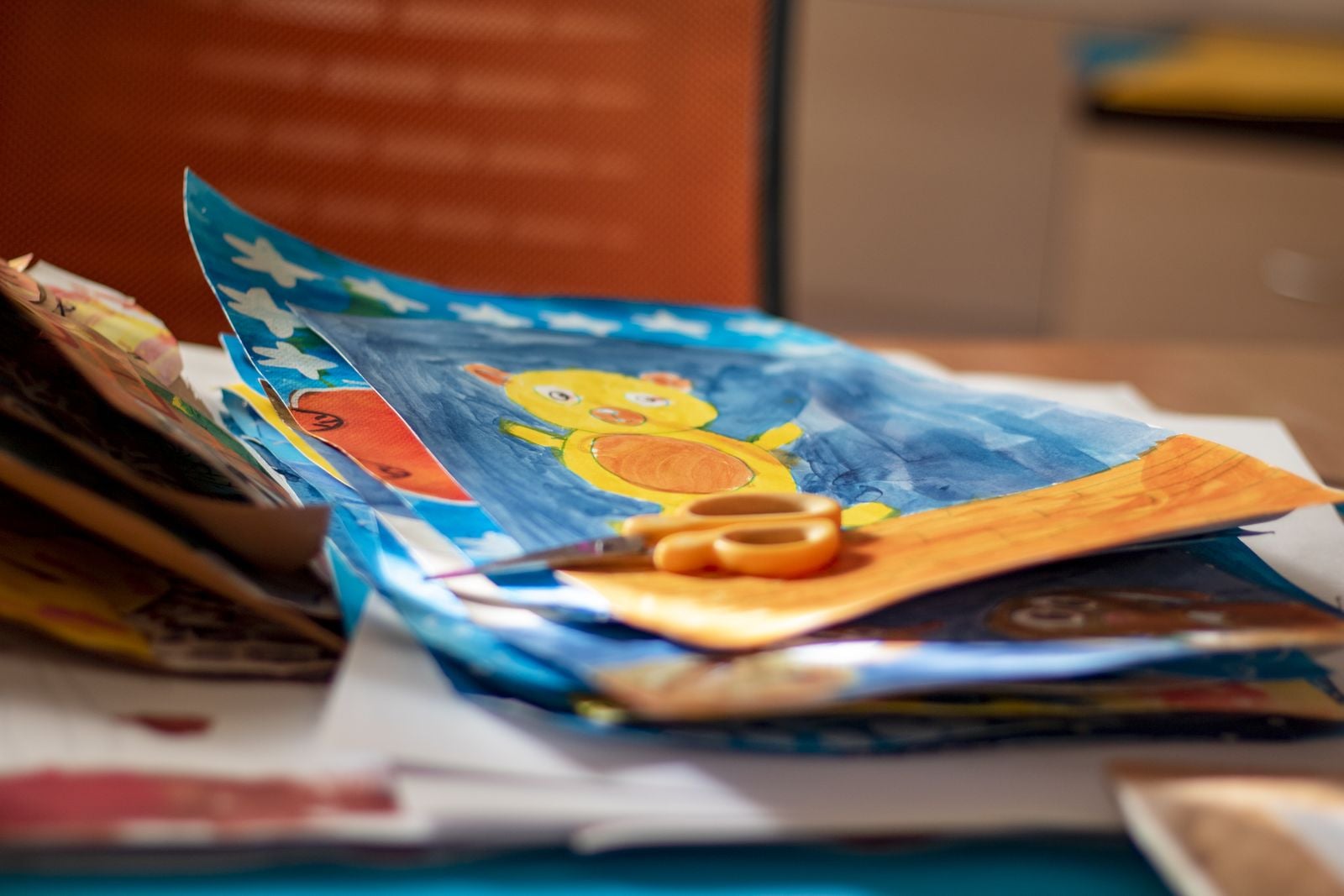
Most of us keep some version of a list of things we mean to do with our kids. Make salt dough. Try the marbled paper. Finally do the big cardboard project that needs a box we do not have. The list is well meant, and it is also, if you look at it honestly, a running tally of everything you have not gotten to. Every glance at it is a small reminder that you are behind.
A reverse bucket list flips that. Instead of naming what is still undone, you write down what you and your children have already made and done. It sounds almost too simple to bother with. In our experience it changes the temperature of the whole exercise.
What a reverse bucket list actually is
The idea has been floating around for a few years, usually aimed at adults reviewing careers or travel. The mechanics are plain. You sit down and list things you have already done that you are glad about, rather than things you are still chasing.
The Artful Parent
Family-life ideas and sharp reads, in your inbox.
For a family, the material is right there and mostly forgotten. The afternoon the kitchen table was covered in blue handprints. The birthday card a four-year-old made that made no sense and was perfect. The fort. The terrible, beloved clay snail. A bucket list points forward at a horizon that keeps receding. A reverse one points at a pile of stuff that already happened, which turns out to be surprisingly large once you start writing it down.
Why it can land differently
There is some research that speaks to why looking backward like this can lift the mood, though it is worth being careful about what it does and does not show. None of it studied reverse bucket lists as such. It looked at the broader habit of noticing what you already have.
In a well-known 2003 paper in the Journal of Personality and Social Psychology, Robert Emmons and Michael McCullough had people keep regular lists, some of things they were grateful for and some of hassles or neutral events. You can read Counting Blessings Versus Burdens in full. The people listing things they were grateful for did better on several, though not all, of the well-being measures the researchers tracked, with the clearest effect showing up in positive mood. It was a real result, not a cure-all, and the honest reading is modest: regularly noticing the good tends to help a bit, for many people.
A second study points at something more specific and more surprising. In 2008, also in the Journal of Personality and Social Psychology, Minkyung Koo and colleagues asked people to write about how a positive event in their life might never have happened. Those who imagined its absence felt better afterward than people who simply recalled that the event had happened, and, tellingly, most people did not expect that in advance. Appreciating that something good actually came to pass seems to do more for us than we predict.
A reverse bucket list borrows that logic without the melancholy. You are not imagining the fort never got built. You are just writing down that it did.
Doing one with your kids
This works as an activity, not only as a private grown-up exercise, and it costs nothing. Put a large sheet of paper on the table and ask your child what they have made or done that they are glad about. Then draw or write it down together, in whatever order it tumbles out.
Expect the answers to be gloriously uneven. A six-year-old might list the volcano that erupted on the deck alongside a snack they liked once. Younger children, roughly under four or five, will do better if you prompt with specifics, since “what have you done this year” is too big a question. Try “remember when we painted the rocks?” and let them add the next thing. The point is not an accurate archive. It is the noticing.
You can keep it loose or make an object of it: a poster of the year’s making, a page added to now and then, a jar of paper scraps each naming one thing. If your family likes photos, a handful printed and stuck down does the same job. Store-bought, homemade, tidy, messy, none of that matters here. What matters is that the list looks backward and comes out full.
Keep it honest
There is one trap worth naming. A reverse bucket list can quietly turn into another performance, a beautifully lettered document that becomes one more thing to get right. That would miss the entire point. Scrawled on the back of an envelope counts. A short verbal version at dinner, where everyone says one thing they made or did this week, counts too.
It also should not become a way to pressure a child, or yourself, into producing more. This is not a scoreboard for a productive childhood. Plenty of good afternoons leave nothing to write down, and that is fine.
What we keep noticing when we try this is how much gets forgotten. The making that felt ordinary at the time, the projects that were never photographed, the small stuff that did not seem like anything. Written down in one place, it reads as a fairly rich year. The undone list will still be there tomorrow. It is worth spending one evening on the other one first.