
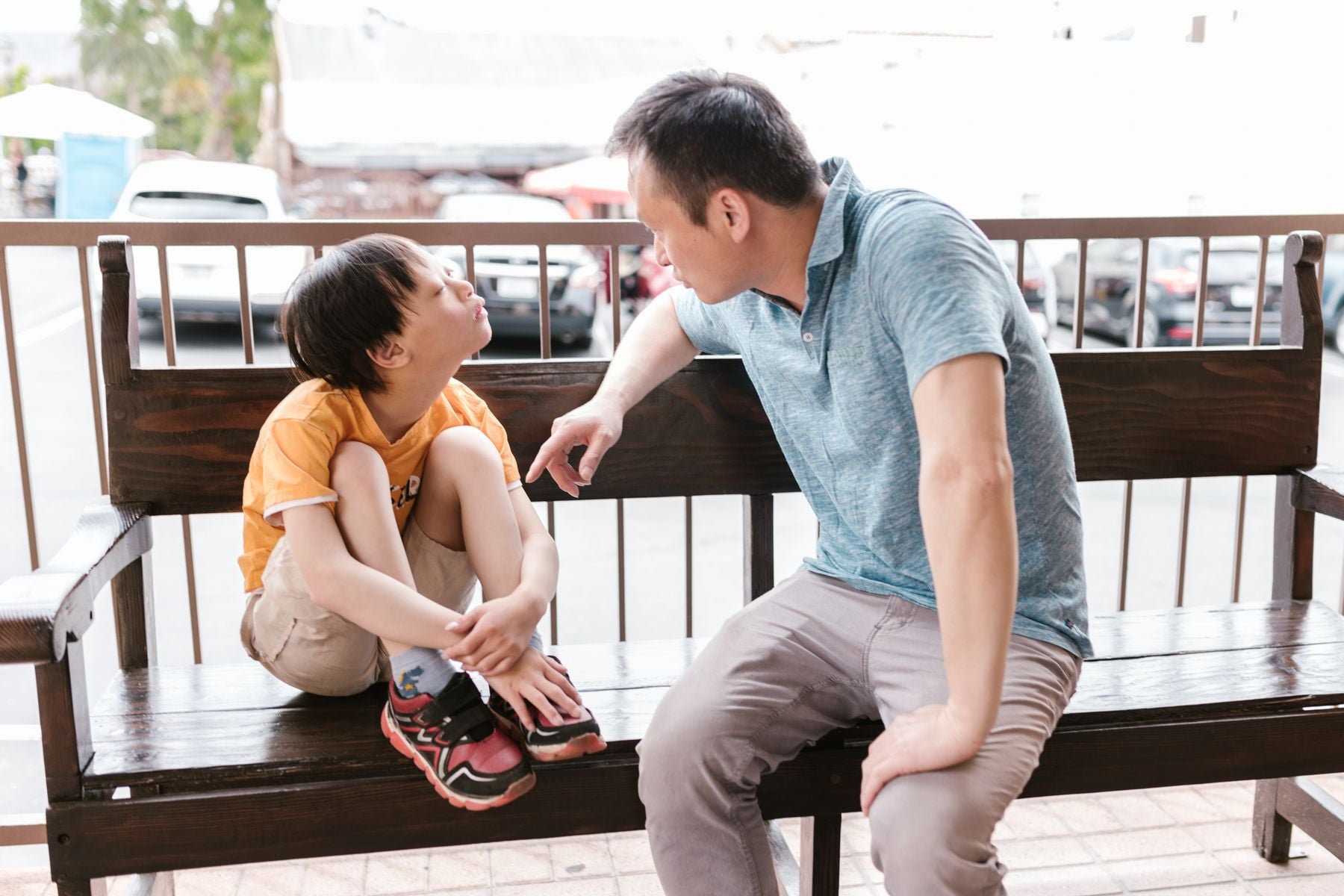
Parents often assume that whether a memory sticks with a child comes down to the size of the moment, the big trip, the milestone birthday, the special occasion. Two very different bodies of research suggest something more ordinary is at work: the small, daily conversations parents have with kids, and the emotional tone underneath them, appear to matter more than the size of the event itself.
The clearest evidence on how memory actually forms comes from a 2007 study by Elaine Reese and Rhiannon Newcombe, published in Child Development. The researchers ran a randomized controlled trial with mothers of toddlers between 18 and 30 months old, training one group in a specific conversational style called elaborative reminiscing: asking open-ended follow-up questions, adding rich detail, and following the child’s lead when talking together about things that had already happened. A comparison group of mothers received no such training. The trained mothers kept using this more detailed, open-ended conversational style at both a short-term follow-up when children were about two and a half, and a longer-term follow-up a full year later at age three and a half. Their children, in turn, produced noticeably richer, more detailed, and more accurate autobiographical memories than children whose mothers hadn’t received the training. The memory itself wasn’t shaped only by what happened, it was shaped by how the event got talked about afterward.
A second, much larger body of research helps show that this isn’t just about memory detail, it connects to how those childhood years are felt and carried forward decades later. In a 2018 study by Kristin Moran, Nicholas Turiano, and Amy Gentzler, published in the Journal of Family Psychology, the researchers analyzed 20 years of longitudinal data from the national Midlife in the United States survey, covering more than 2,000 adults across three separate waves. Adults who retrospectively reported more parental warmth in their childhood showed meaningfully higher psychological well-being decades later, and part of that connection was explained by having developed more constructive, problem-focused ways of coping with difficulty. Recalled parental warmth was also linked to lower negative affect and higher positive affect well into adulthood, long after childhood itself had ended.
The Artful Parent
Family-life ideas and sharp reads, in your inbox.
Together, these two studies suggest that the memories children carry forward, and what those memories do for them later, depend on two things well within a parent’s everyday control. Reese and Newcombe’s research shows that a specific, learnable conversational habit, talking through the day’s events with genuine curiosity and detail rather than rushing past them, causally improves how well a child’s own memories take shape. Moran, Turiano, and Gentzler’s research shows that the emotional backdrop of childhood, whether it felt warm and supported, keeps predicting real differences in coping and well-being decades after the fact. Between the two, the picture that emerges has less to do with engineering big, memorable moments and more to do with two ordinary, repeatable things: talking with a child about their experiences, and making sure warmth is the backdrop those experiences happen against.
It’s worth being honest about what these two studies don’t establish. Reese and Newcombe’s research measured memory richness and accuracy in early childhood, not whether those specific memories persist unchanged into adulthood, so it shows how memories form well, not necessarily which specific memories a person will still hold decades later. Moran, Turiano, and Gentzler’s research relies on adults’ retrospective reports of their own childhood, which can be shaped by current mood or later life experiences, and while the longitudinal, cross-lagged design strengthens the case for a real directional effect, retrospective memory research can’t fully rule out some distortion in how warmth gets recalled looking backward.
Within those honest limits, the research offers a genuinely reassuring, low-pressure picture of what actually shapes a child’s memories in a lasting, positive way. It isn’t the elaborate vacation or the perfectly planned celebration doing the heavy lifting. It’s the ordinary, repeatable habit of talking things through with real curiosity, and the steady, felt warmth underneath the everyday moments that make up most of childhood.