
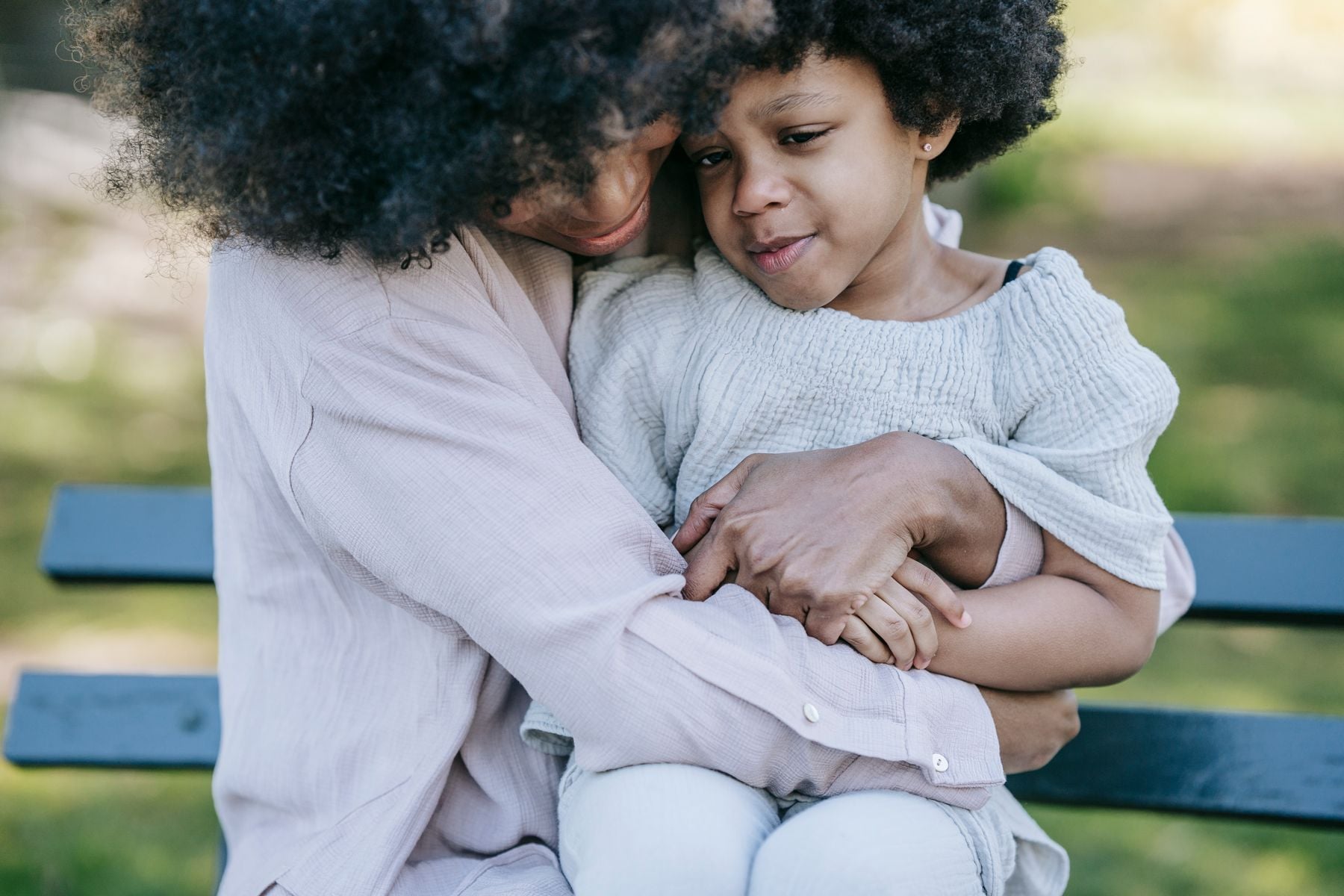
Being a caring parent tends to get described in fairly abstract terms, showing love, being present, making a child feel valued. Two large meta-analyses that measured this more precisely, across huge samples and many different cultures, suggest that warmth and responsiveness aren’t just nice sentiments, they show up as real, quantifiable predictors of how children turn out.
The clearest evidence comes from a 2013 meta-analysis by Abdul Khaleque, published in the Journal of Child and Family Studies, which statistically combined 30 studies spanning 16 countries across five continents, covering 12,087 children. The research measured how much warmth children perceived from their mothers and fathers against their psychological adjustment, personality, and emotional stability. Perceived warmth showed a significant, consistent link to better adjustment, with mothers’ warmth and fathers’ warmth both mattering independently. Children who felt more warmth from their parents also showed lower hostility and aggression, greater independence, higher self-esteem, and more emotional stability. Crucially, this pattern held up across different ethnicities, cultures, genders, and continents, suggesting the effect of feeling cared for isn’t a product of any particular parenting culture, it shows up wherever researchers have looked for it.
A second study helps show what happens on the other side of that equation, when a child doesn’t reliably experience that kind of responsive care. In a 2010 meta-analysis by R. Pasco Fearon, Marian Bakermans-Kranenburg, Marinus van IJzendoorn, Anne-Marie Lapsley, and Glenn Roisman, published in Child Development, the researchers combined 69 independent samples covering 5,947 children, examining the link between insecure or disorganized attachment, the pattern that tends to develop when a caregiver’s responsiveness is inconsistent, and later behavior problems. Attachment insecurity was significantly associated with more externalizing problems like aggression and conduct issues, and disorganized attachment specifically carried the highest risk of all. The effect was even larger for boys, for children in clinical samples, and when researchers used direct behavioral observation rather than questionnaires, suggesting the link is not just a reporting artifact but a real, measurable pattern in how children behave.
The Artful Parent
Family-life ideas and sharp reads, in your inbox.
Together, these two studies sketch out both sides of what caring parenting actually does. Khaleque’s research shows that perceived warmth, children genuinely feeling cared for by their parents, predicts better emotional and psychological outcomes with remarkable consistency across the world. Fearon and colleagues’ research shows what tends to happen in its relative absence, when responsiveness is inconsistent enough to produce insecure attachment, the risk of real behavioral problems rises measurably, most sharply for the most vulnerable children. Between the two, caring parenting looks less like an abstract virtue and more like a specific, trackable ingredient in how children’s emotional and behavioral development unfolds.
It’s worth being honest about what these two studies don’t establish. Khaleque’s meta-analysis relies on children’s own perception of parental warmth, which is a meaningful measure but one that can be shaped by a child’s own temperament or interpretation, not solely by parental behavior. Fearon and colleagues’ research is correlational, and while the pattern held with striking consistency across dozens of independent samples, it can’t fully rule out that other factors present in high-conflict or high-stress households contribute to both attachment insecurity and later behavior problems.
Within those honest limits, the research offers a genuinely grounded picture of what caring parenting actually accomplishes. It isn’t about getting every moment right. It’s about a child reliably feeling, across countless ordinary interactions, that a parent is warm and responsive enough to be counted on. That felt sense of being cared for, the research suggests, does real, measurable work in shaping who a child becomes.