
Ask most middle-class households to name their biggest assets and two answers come up almost automatically, the house and the car. Both sit on the “assets” side of the mental ledger because they’re valuable, owned outright or nearly so, and central to daily life. Two sources of real household financial data suggest that framing is often backward, that the very possessions people count as their strongest assets are frequently doing the financial work of liabilities instead.
The clearest evidence comes from a 2002 study by Marjorie Flavin and Takashi Yamashita, published in the American Economic Review, which analyzed household portfolio data from the Panel Study of Income Dynamics. For homeowners between the ages of 18 and 30, the researchers found the house-to-net-worth ratio averaged 3.51, meaning the home itself was worth roughly three and a half times the household’s entire net worth, with mortgage debt averaging 283 percent of net worth on top of it. That ratio didn’t fall to something close to balanced, around parity with total net worth, until homeowners reached their fifties. For decades, in other words, a young or middle-aged household’s finances are less “diversified portfolio with a valuable asset in it” and more “single illiquid property with a family attached,” leaving little room for the stocks, bonds, or other investments that build flexible wealth.
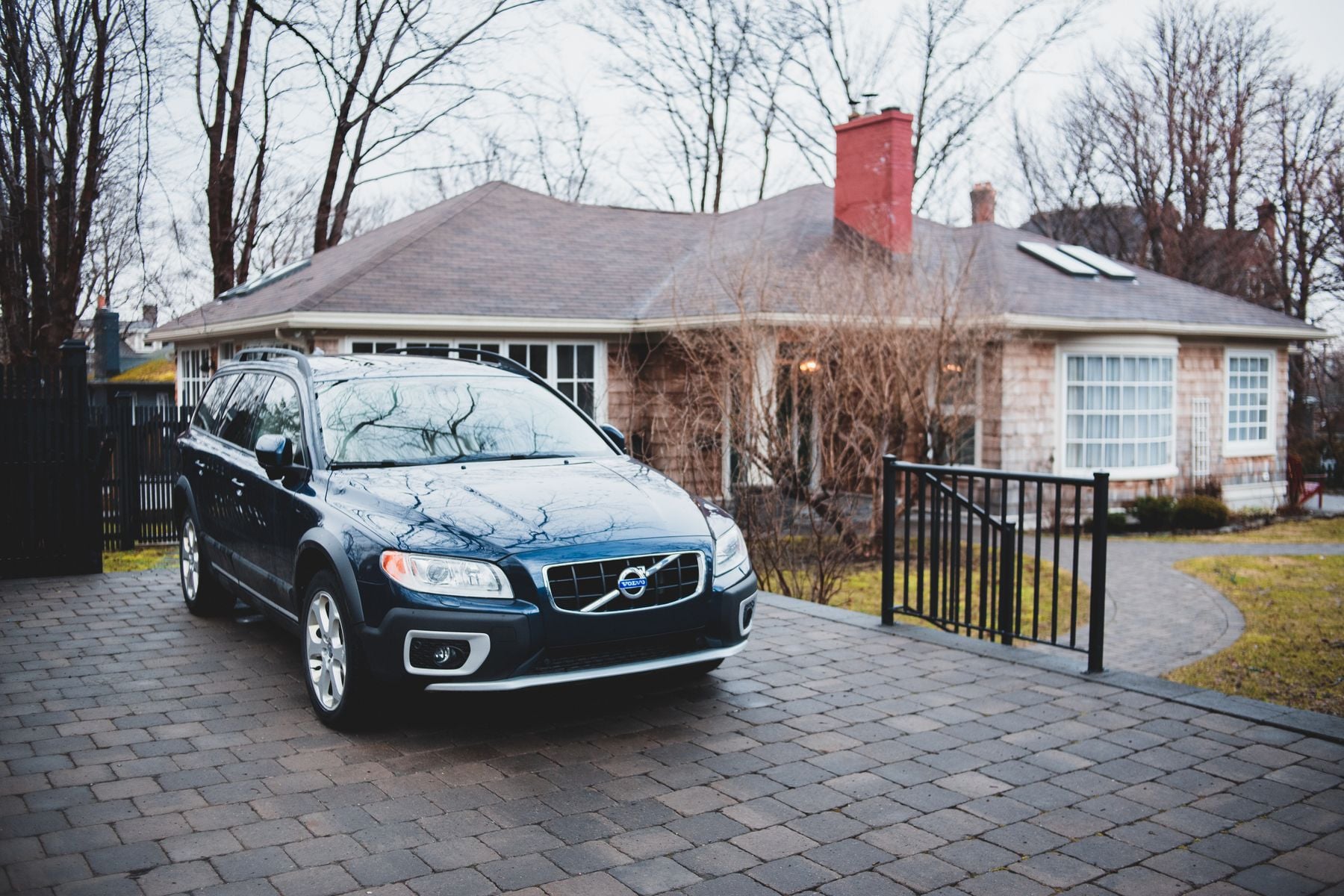
A second source helps show the same pattern playing out with the other big middle-class purchase, the family car. The Federal Reserve’s 2023 Survey of Consumer Finances report, covering data through 2022, found that 86.6 percent of American families owned a vehicle, the most commonly held nonfinancial asset in the country, with a median value of $27,700. Against a median household net worth of $192,900 that same year, a typical family’s vehicle represented roughly 14 percent of everything they owned, tied up in an asset with a guaranteed downward trajectory toward zero. More than a third of families, 34.7 percent, were still carrying vehicle loan balances averaging $15,400, meaning many households owe real, compounding debt against a possession that loses value every single day they hold it.
The Artful Parent
Family-life ideas and sharp reads, in your inbox.
Together, these two data sources point to the same structural problem from different angles. Flavin and Yamashita’s research shows how completely a house can dominate a household’s balance sheet for the better part of three decades, absorbing money that would otherwise flow into more flexible, growth-oriented investments. The Federal Reserve’s data shows the vehicle problem is smaller in scale but arguably purer in kind, a possession that, unlike a house, has no realistic path to appreciating, financed with debt, that still gets filed away mentally as something owned rather than something being paid for. Neither the house nor the car is a bad thing to have. The mismatch is in the label, calling something an asset because it’s valuable and owned, rather than because it generates income or grows in value the way a true financial asset does.
It’s worth being honest about what this data doesn’t establish. Flavin and Yamashita’s ratios come from Panel Study of Income Dynamics data collected in 1989, and while the underlying dynamic, that a mortgaged home dominates a young household’s balance sheet, has remained a well-documented feature of household finance in more recent research too, the specific ratios could look somewhat different in today’s housing market. The Federal Reserve’s vehicle figures are a single snapshot from 2022, a period of unusually high used-car prices following pandemic-era supply shortages, so the 14 percent figure may not hold steady in ordinary years. Neither source is arguing that homeownership or car ownership is a mistake, only that the standard “asset” label can obscure how these possessions actually behave financially.
Within those honest limits, the research offers a useful corrective for anyone doing their own household math. A true asset puts money in your pocket or grows without your intervention. A house that consumes most of a family’s net worth for decades, or a car quietly losing value every month while a loan balance sits against it, is doing something closer to the opposite, however necessary or worthwhile it might be to own. Calling it a liability doesn’t mean getting rid of it, it just means budgeting for what it actually is.