
Injecting joy into life often gets treated as a matter of doing more, more vacations, more purchases, more big events. Two separate studies on a specific, smaller emotion, awe, suggest something more modest and more accessible does real, measurable work instead.
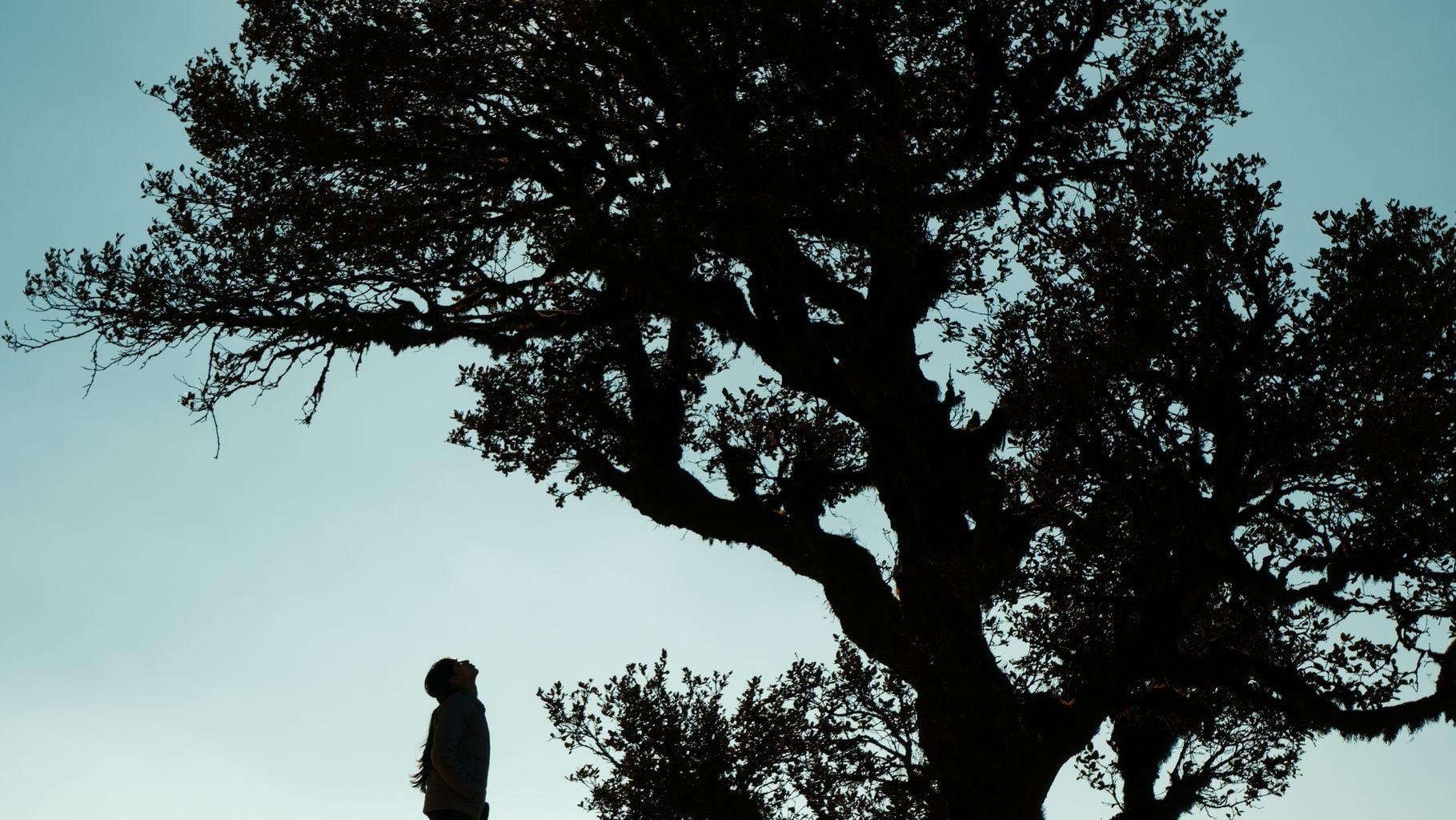
The first comes from a 2020 study by Virginia Sturm, Sarah Datta, Amrapali Roy, and colleagues, published in the journal Emotion. The researchers randomly assigned older adults to take one 15-minute outdoor walk a week for eight weeks, either an “awe walk,” where participants were specifically instructed to seek out moments of wonder along the way, or a comparable control walk without that instruction. Participants reported their daily emotions throughout the study and submitted a weekly selfie. Over the eight weeks, the awe-walk group showed a rising trend in daily positive emotion, particularly prosocial emotions like compassion and gratitude, and reduced distress, compared with the control group. Their selfies also changed in a specific way over time: participants smiled more broadly and tended to frame themselves as physically smaller within the photo, a visual signature researchers associate with a genuine sense of awe.
A second, earlier study helps explain part of why that small shift in attention might matter so much. In a 2012 study by Melanie Rudd, Kathleen Vohs, and Jennifer Aaker, published in Psychological Science, the researchers ran three separate experiments inducing a brief feeling of awe, through short videos or guided memory recall, and compared it against neutral states or other positive emotions like happiness. People who briefly experienced awe reported feeling like they had more available time, showed less impatience, expressed greater willingness to volunteer their time to help others, and reported higher overall life satisfaction, compared with people who experienced other positive emotions instead. The researchers found this effect worked specifically by pulling people into the present moment, awe seemed to loosen the usual sense of time pressure simply by making someone genuinely absorbed in what was in front of them right then.
The Artful Parent
Family-life ideas and sharp reads, in your inbox.
Together, these two studies suggest that awe, specifically, might be an unusually efficient route to injecting more joy into daily life, precisely because it doesn’t require anything large. Sturm and colleagues’ research shows that a small, repeatable weekly habit, deliberately looking for moments of wonder on an ordinary walk, produced a real, rising trend in positive emotion over two months. Rudd and colleagues’ research suggests part of the mechanism: awe pulls attention into the present moment strongly enough to change how much time a person feels they have, and that shift alone was enough to measurably boost reported life satisfaction. Between the two, the case for awe looks less like a nice-to-have emotion and more like a specific, low-cost lever with real effects on both daily mood and how burdened someone feels by their own schedule.
It’s worth being honest about what these two studies don’t establish. Sturm and colleagues’ study involved a fairly small sample of 60 older adults, and the awe walks were specifically compared against a similar but less instructed walk, so the finding speaks most directly to that particular population and comparison rather than to awe’s effects across all ages or life stages. Rudd and colleagues’ experiments were conducted in lab and online settings using induced, short-term awe rather than awe encountered spontaneously in daily life, so how precisely a brief video-induced feeling translates into someone’s actual experience walking outside or watching a sunset is a reasonable extrapolation rather than something directly tested. Both studies also rely on self-reported emotional states, which are useful and standard in this kind of research but inherently somewhat subjective.
Within those honest limits, the research offers a specific, genuinely accessible answer to what injecting more joy into life might actually look like in practice. It doesn’t require anything expensive or dramatic. It looks more like deliberately, repeatedly making room for small moments of genuine wonder, on a walk, in an ordinary view, and letting attention settle into them fully, a habit small enough to fit into an already busy week but, according to this research, large enough to leave a real, measurable mark.