
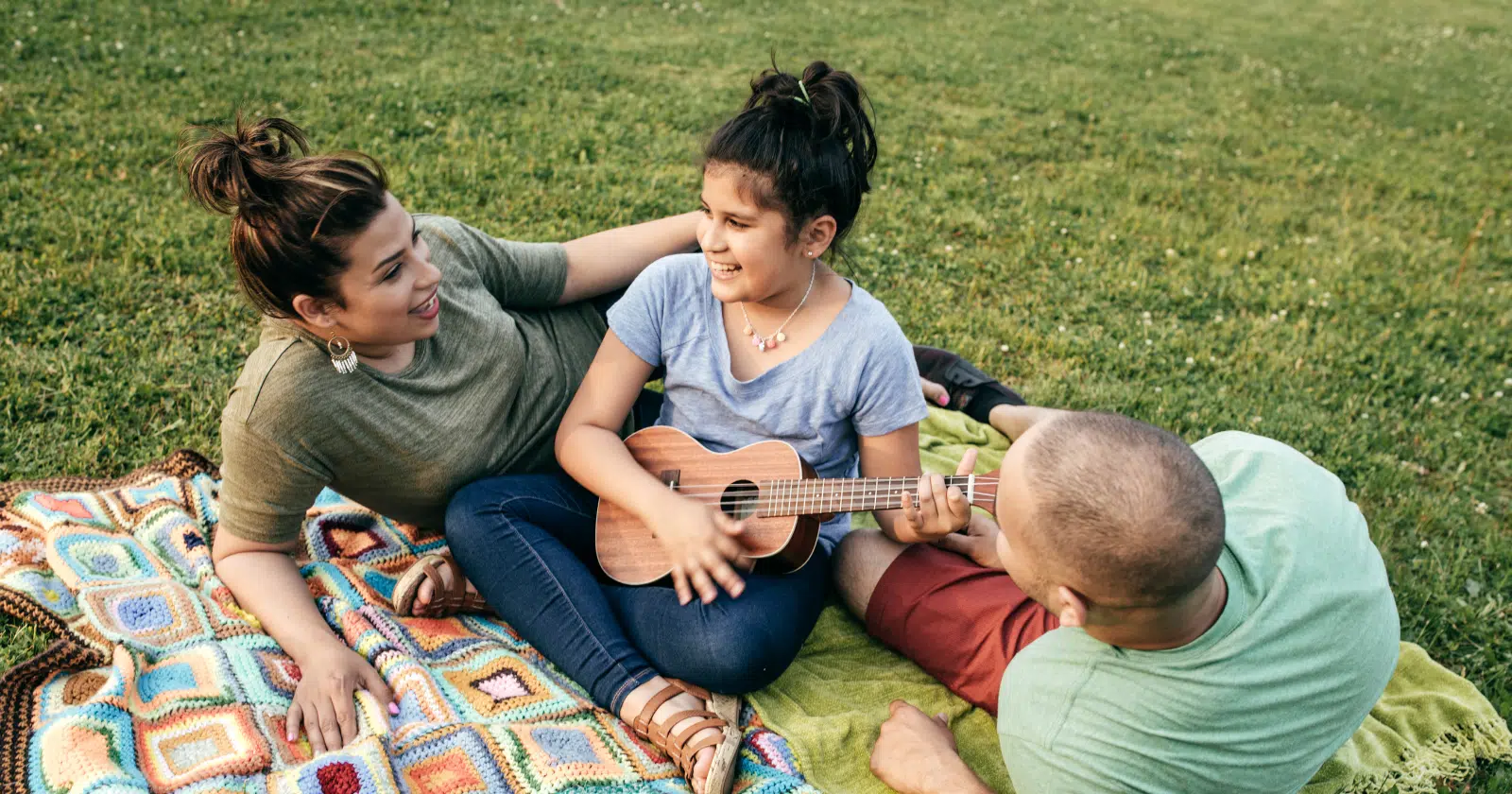
Supportive parenting often shows up in ordinary moments: an adult listening without interrupting, apologizing after an unfair reaction, or offering help without taking over. Those are lessons worth carrying into later relationships.
You may recognize some from childhood, have learned them from someone else, or be practicing them now. Parents, caregivers, teachers, friends, and other trusted people can all offer examples to learn from.
This list isn’t a way to judge anyone’s upbringing. Confidence, kindness, and struggles with conflict don’t reveal a person’s family history. Nor does choosing to keep that history private. These eight lessons are useful because of what they invite us to do in our relationships today.
The Artful Parent
Family-life ideas and sharp reads, in your inbox.
1. Your worth doesn’t depend on getting everything right
A supportive response to a mistake separates the person from what happened. A child can need help correcting their work or repairing a hurt without being treated as a disappointment.
That distinction is worth practicing as an adult. If you miss an appointment, you can acknowledge the inconvenience, apologize, and arrange another time. Calling yourself a failure doesn’t help the other person or put the appointment back in the calendar.
With a child, it might sound like: “That didn’t go the way you hoped. Let’s look at what you can do next.” You can care about effort and responsibility while making room for mistakes.
The aim is to respond usefully when something goes wrong, even when you feel embarrassed or unsure.
2. Listening means making room to understand
A child who is telling a long story may need an adult to slow down, ask a question, and let them finish. In early childhood, responsive exchanges between children and caring adults support communication and social development, as Harvard’s explanation of serve and return describes.
In adult conversations, the same practical intention is useful: understand before deciding what to say. “Have I understood that correctly?” can reveal something you missed.
Listening isn’t a competition to speak the least. There should be room for both people, including someone who needs more time or a different way to communicate.
If you interrupt, you can notice and return the space: “I cut you off. Please finish what you were saying.”
3. Disagreement doesn’t remove the need for respect
People who care about one another will sometimes disagree. A useful lesson to model is how to address the issue without insults, threats, or bringing every past mistake into the conversation.
You might say: “I’m upset about what happened yesterday, and I’d like us to talk about that.” If you need a pause, explain it and agree when to return, rather than leaving the other person guessing.
Children can see this in small repairs between adults: “We disagreed about the plan. I spoke unfairly, and I’ve apologized.” They don’t need to hear every detail to see someone take responsibility.
Respect doesn’t require reaching agreement or staying in a conversation that has become hurtful. It includes being clear about the limits of the discussion.
4. Generosity can include a limit
Sharing time, practical help, or attention can make a real difference. So can being honest about what you have available.
“I can help for an hour on Saturday” gives someone a clearer offer than agreeing reluctantly to an entire weekend. Once you’ve offered, follow through or let them know promptly if something changes.
You can model this with children by explaining your own choices: “We’re taking dinner to our neighbor tonight. We have time to cook an extra portion.” They can see the purpose without being told that kindness means giving endlessly.
Generosity doesn’t remove your need for rest, appreciation, or mutual care. You can give willingly and still notice when a relationship has become one-sided.
5. Support is part of getting through difficulty
Being overwhelmed doesn’t tell us that someone lacked good parenting, and appearing composed doesn’t tell us that they received it. The American Psychological Association explains that resilience can involve considerable distress and includes skills people can develop.
A useful question during a difficult period is: “What would make the next part more manageable?” The answer might involve practical help, company, rest, or professional support.
Harvard’s research overview on resilience highlights the importance of stable, supportive adult relationships for children facing hardship.
At home, that can mean staying available after a disappointment: “We don’t have to solve everything now. Would you like me to sit with you?” Needing someone isn’t a failure of independence.
6. Respect applies beyond people who can offer you something
Everyday exchanges give adults opportunities to demonstrate consideration. Let someone finish explaining a problem. Ask a person’s name when it’s useful. Address a mistake without treating the person who made it as beneath you.
If a restaurant order is wrong, for example, you can explain what needs changing without humiliating the server. Children can observe both the request and the way it is made.
The same principle applies within a family. A child’s limited experience doesn’t make their questions unworthy of an answer. An older relative’s need for help doesn’t remove their right to a preference.
Respect is something to practice across situations, including when you’re tired or inconvenienced.
7. Care leaves room for the other person’s choices
When someone describes a problem, it’s easy to start organizing their next move. Pause long enough to ask what kind of support they want.
“Would you like ideas, practical help, or a chance to talk?” offers choices. If they want to make their own decision, you can stay interested without repeatedly pressing your preferred solution.
With children, match choices to their age and abilities. You might offer two suitable options while keeping a necessary boundary clear. With adults, accepting a different decision is often part of caring about them.
Help should also be something you can offer honestly. Ask before taking over, and be clear about what you can and cannot do.
8. Trust needs follow-through and repair
A reassuring manner can be pleasant, but trust needs more to go on. Look at whether someone respects a refusal, handles private information carefully, and does what they said they would do.
These are habits you can practice too. Ask before sharing someone else’s news. Accept “no” without demanding a better explanation. If you can’t keep a promise, tell the person and take responsibility.
A repair should name the action: “I shared that before checking with you. I’m sorry. I’ll ask next time.” Then give the other person time and follow through on the change.
Children can see that adults sometimes get things wrong and are still responsible for making an effort to put them right. An apology is a beginning, rather than a demand for immediate forgiveness.
Choose one lesson to put into practice
You don’t need to decide whether your childhood qualifies as a good one to use these ideas. You can value what you received, recognize what was missing, or keep your family history to yourself.
Choose one interaction this week: listen a little longer, ask before helping, make an offer you can keep, or return to a conversation that needs repair.
These lessons aren’t a record of perfect parenting or a test of personal goodness. They’re ways to put care into practice, with room to learn and try again at any age.