
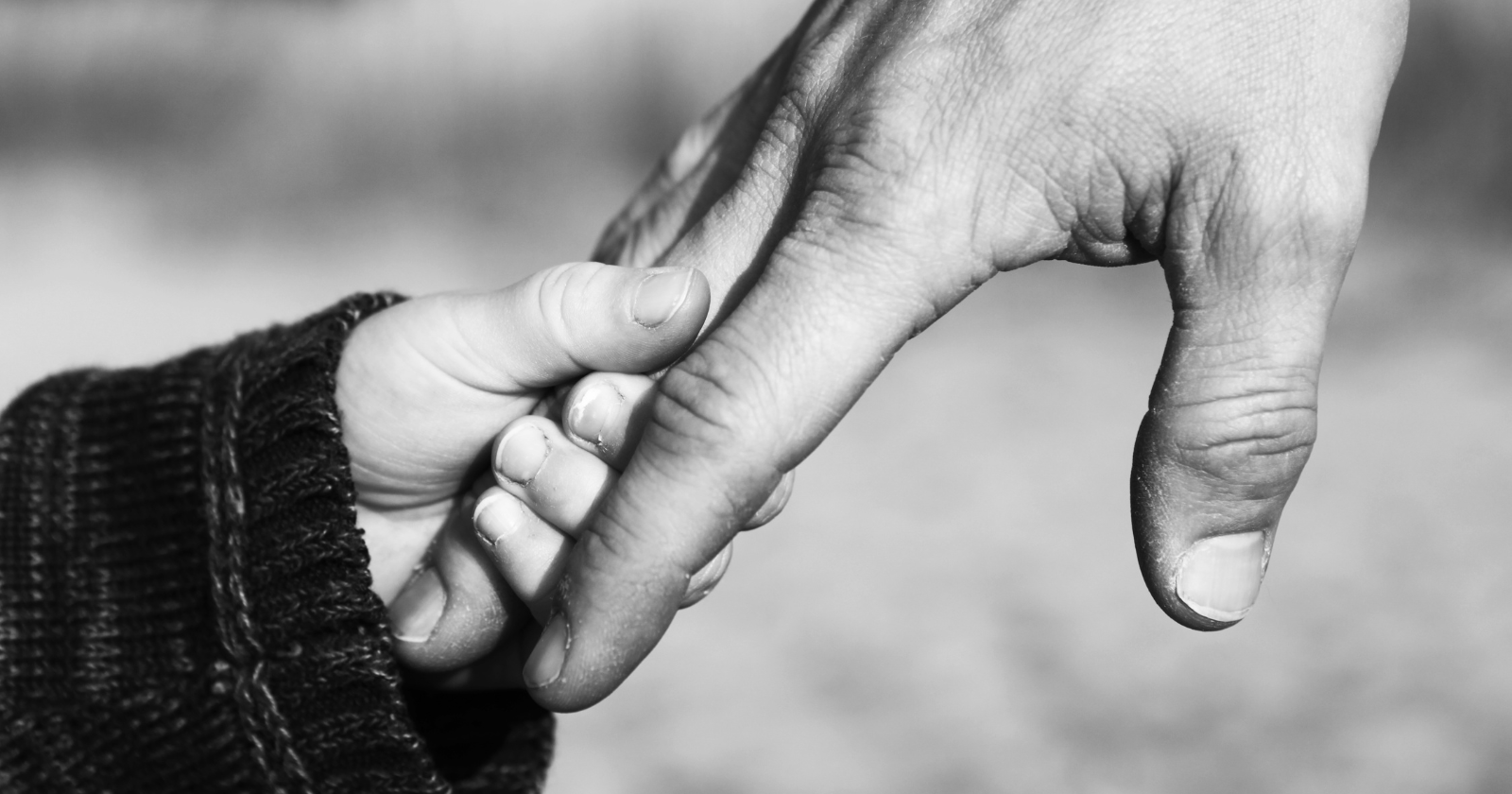
The saying is short and it lands hard: a child left outside the circle will set fire to the whole thing, just to feel some heat. It is a line about belonging, and about what happens when belonging is withheld.
Underneath the drama sits a claim that psychology researchers keep returning to. Children do not simply outgrow early exclusion. It tends to leave a mark that shows up years later, in how they cope, in their health, and in how they treat other people.
A note before going further. We are writers and editors reading the research here, not clinicians, psychologists, or therapists. Much of the work below is observational or correlational, and population-level patterns are not diagnoses or predictions about any individual reader or child.
The Artful Parent
Family-life ideas and sharp reads, in your inbox.
Where the proverb comes from
The line is widely repeated as an African proverb. Though, as far as we can see, its precise origin is not settled. Sources variously attribute it to Africa in general, to a specific group, or elsewhere, with no firm evidence tracing it to one culture.
So treat it as received wisdom of uncertain lineage. What makes it worth taking seriously is not where it came from. It is that the pattern it dramatizes turns out to be a relatively heavily studied finding in developmental psychology.
What the research shows about early exclusion
Belonging appears to be a deep human need, not just a preference. In a 1995 review, Roy F. Baumeister argued that “Existing evidence supports the hypothesis that the need to belong is a powerful, fundamental, and extremely pervasive motivation”. This is an influential review, not a proven law, but it reframed belonging as something closer to a need than a nicety.
If belonging is that central, being excluded is a serious deprivation. Reviewing the literature, Kelly Lynn Mulvey and colleagues note that bad experiences with peers in childhood can predict trouble adjusting and a decrease in prosocial behavior. The word there is predict, not cause.
A 2025 review by Thurston and colleagues pooled 62 studies that followed people over time. It found that adverse childhood experiences are a significant risk factor for mental illness in adulthood.
From rejection to burning it down
The proverb makes a sharper claim than “exclusion is bad.” It says the excluded child turns destructive. Does the research back that particular path? In part, and within limits worth naming.
The most direct evidence comes from the lab. In a series of experiments by Jean M. Twenge, Baumeister and colleagues, researchers made people feel excluded, telling some they would end up alone in life or that others had rejected them. “These manipulations caused participants to behave more aggressively”, the authors report, even toward people who had done nothing to them. The effect, it seems, came from feeling excluded, not from bad luck in general.
Keep in mind that this evidence within a short lab experiment on adults. It does not show that childhood rejection reliably produces violence years later.
The theory tying it together is straightforward. In a 2007 review, Baumeister, Brewer, Tice and Twenge describe the need to belong as “a powerful motivational basis for interpersonal behavior, and it is thwarted by social exclusion and rejection.” They also note that “Laboratory work has uncovered a destructive set of consequences of being socially excluded, such as increased aggressiveness and reduced helpfulness toward new targets”.
Block a basic drive and behavior distorts. Aggression is one documented response. Others are withdrawal, poorer self-control, and disrupted achievement.
Where the metaphor holds, and where it breaks
The image works better as a picture of pressure than as a prophecy. Exclusion does seem to build something that has to go somewhere, and lashing out is one channel the experiments appear to capture.
What the research supports is modest and useful. Early belonging is a measurable part of how children develop, with its absence linked to worse mental health, less prosocial behavior and potential increased aggressiveness. The proverb’s arson metaphor is an exaggeration, though the underlying stakes it points to are real.
If any of this sits close to your own history or your family’s, a qualified counsellor or therapist is a good person to talk it through with.