
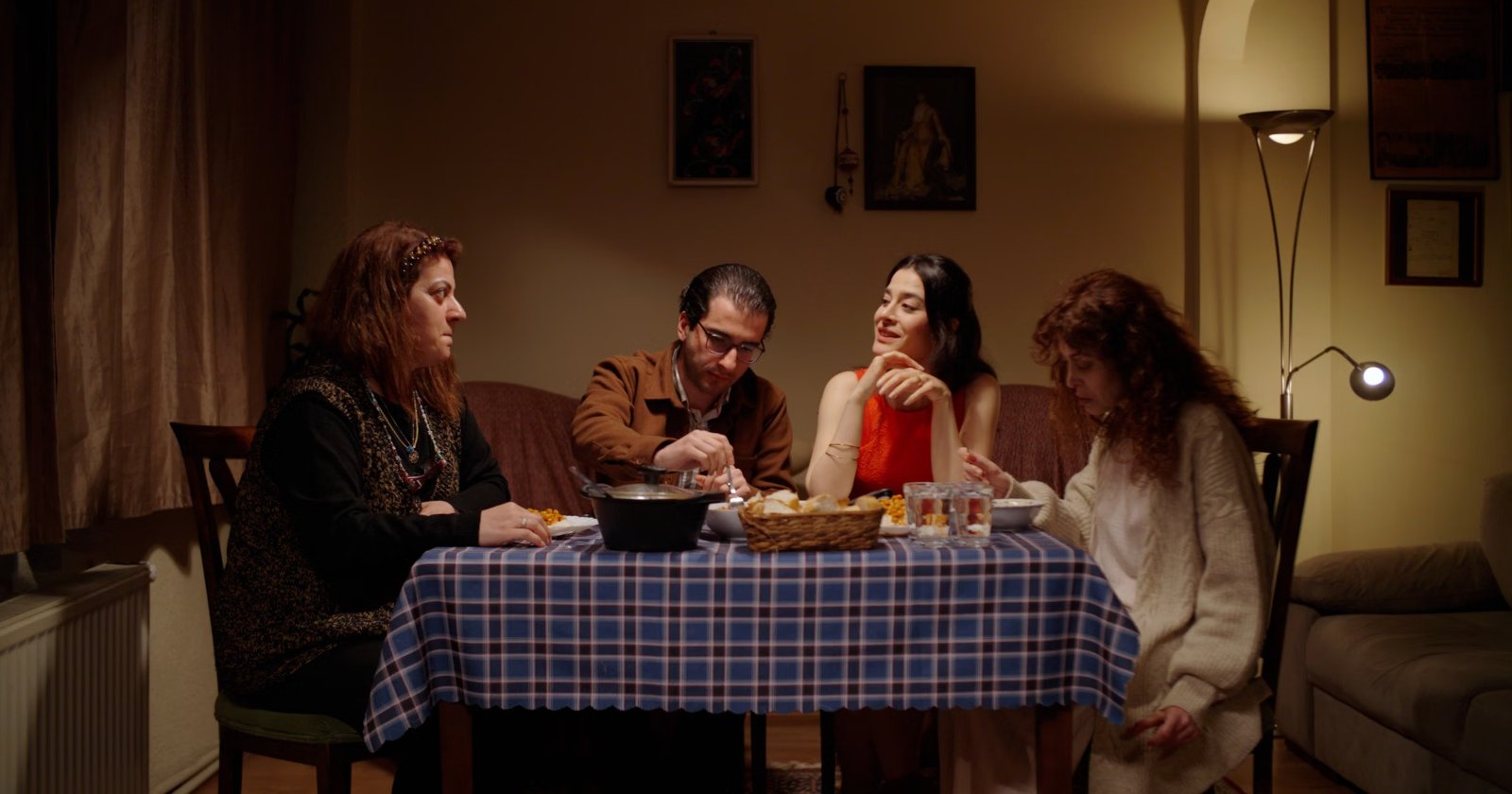
A familiar place at the table. Someone who calls when they’re running late. An argument that gets talked about instead of becoming a week of silence. These are ordinary parts of family life, but they’re worth noticing when we think about what made home feel welcoming.
Behind many of them were small, unwritten rules. Some sound old-fashioned now, and some were. But a few held up for a reason: they gave everyone a regular, predictable way back to each other.
None of them guarantees a close family. Families drift apart for reasons no house rule could fix, and plenty of close families ran things very differently. Think of these less as a recipe and more as habits worth a second look.
The Artful Parent
Family-life ideas and sharp reads, in your inbox.
1. Dinner was at the table, most nights
At six o’clock, someone called “Dinner!” and everyone came, more or less on time. The TV was off. Nobody took a plate back to their room.
The conversations weren’t always deep. Plenty of nights were about who finished the milk. But that half hour gave everyone a place to mention what happened at school, or to notice that someone was quieter than usual.
It doesn’t have to be dinner, and it doesn’t have to be every night. With shift work, practices and long commutes, a weekend breakfast or Sunday lunch might be the realistic version. What mattered was that it happened often enough that nobody had to arrange it.
2. If you were going to be late, you called
Before cell phones, this meant borrowing a friend’s kitchen phone: “I’m at Jenny’s. I’ll be home by nine.”
It wasn’t really about permission. It was about not leaving someone at home watching the clock.
In a lot of households, the rule went both ways. Mom called if she was stuck at work. Dad called if the game ran long. Kids learned it as a courtesy everyone owed each other, not a rule that only applied to them.
Now it takes a five-second text. It still matters for the same reason.
3. Everyone helped, even if the job wasn’t done perfectly
Somebody cleared the table. Somebody dried the dishes. Saturday morning meant everyone had a job before cartoons or soccer.
The idea was simple: everyone lives here, so everyone helps keep it running.
The jobs weren’t always done well. Towels got folded in thirds instead of quarters. The vacuuming missed the corners. Letting some of that go, instead of quietly redoing it later, told the kids their help was real.
Working side by side also produced its own conversations. A lot gets said over a sink of dishes that wouldn’t come up sitting face to face.
4. Please and thank you applied at home too
Manners weren’t only for company. You said please when you asked your brother to pass the salt. You said thank you when your dad drove you to practice.
It sounds small, and it is. But it changes how a household sounds. Requests come across as requests rather than orders, and the everyday things people do for each other get noticed instead of expected.
This tended to stick when parents did it too: thanking a child for setting the table, saying please when asking for the music to go down.
5. Arguments got finished, even if not that night
“Don’t go to bed angry” was the old rule. Taken literally, it doesn’t always work. Some arguments shouldn’t be pushed through at 11 p.m., and a night’s sleep can make the next conversation much easier.
The part worth keeping is that arguments didn’t just fade into silence. Somebody came back to it. Over breakfast, or in the car the next afternoon, someone said, “About last night.”
That included the parents. “I shouldn’t have yelled about the bike. I was tired, and that’s not your fault.” A parent can say that and still keep the rule about putting the bike away.
6. You showed up for each other’s things
The school play. The band concert. The T-ball game where nobody kept score. Somebody from the family was in the bleachers.
Siblings came too, often under protest. A 12-year-old sitting through his little sister’s recital wasn’t thrilled about it. But he was there, and later she sat through his games.
That didn’t mean siblings had to attend every practice or give up every Saturday. Families could choose the occasions that mattered most.
Nobody could make every event, especially with several kids and two jobs. The rule wasn’t perfect attendance. It was that each person’s thing mattered to everyone, and if you missed it, you asked how it went and listened to the answer.
7. Sundays meant seeing family
Sunday lunch at Grandma’s. A standing phone call with the cousins two states away. Whatever the version, it was on the calendar, and nobody had to organize it from scratch each week.
Regular, low-key time is different from big occasions. Holidays tend to come with pressure and expectations. An ordinary Sunday usually carries less of that, which leaves more room to just talk.
A standing invitation works better when someone can occasionally say, “We need this Sunday at home,” without having to prove they still care.
This one doesn’t fit every family. Some relatives aren’t kind or safe to be around, and no tradition should require that. Schedules also change as kids grow up. For many families now, the version that works is a monthly dinner or a group video call rather than every week.
8. Friends were welcome at the table
Kids’ friends knew they could stop by. If they were still there at dinnertime, someone added a plate. Nobody made a fuss.
That open door meant parents got to know the people their kids spent time with, without having to question anyone. It also gave kids a reason to bring their lives home instead of keeping them somewhere else.
Welcoming friends didn’t have to mean an unlimited invitation. Sometimes it meant asking before bringing someone home, sharing an afternoon snack, or planning dinner for a night when there was enough. The welcome mattered, and so did the person providing it.
A place to start
None of these rules worked because they were strict. When they worked, regularity helped, and so did people taking part because they wanted to, not only because they had to.
Before bringing back a family rule, ask who will do the work of keeping it going. A shared Sunday meal feels different when one person isn’t doing all the cooking, reminding and washing up.
If one of them appeals to you, try the version that fits your household as it is now. That might be one shared meal a week, a standing Sunday call with your adult kids, or simply sending a text when you’re running late. Small and steady tends to last longer than ambitious and occasional.