
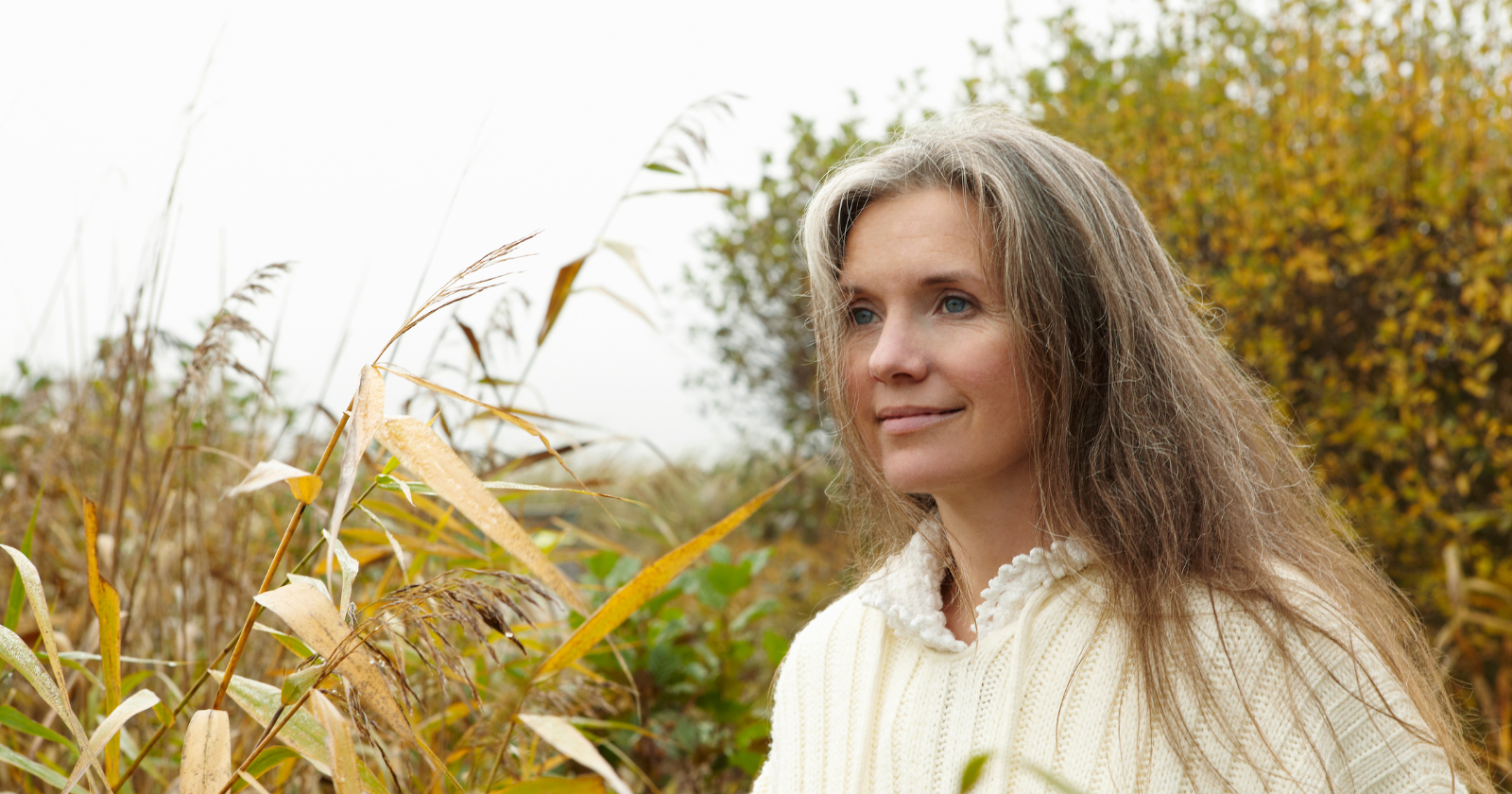

There is something rather lovely about sitting down with a cup of tea and realising you don’t have to rush anywhere. No one needs a lift. There is no meeting to prepare for. You might even finish the tea while it is still hot.
For years, that kind of morning may have seemed almost unimaginable. Work and family gave the day its shape. You knew what needed doing, who was relying on you and, usually, what tomorrow would look like too.
Then, gradually or all at once, things change. Your children build their own lives. You leave work or reduce your hours. Some responsibilities ease, while others arrive in forms you hadn’t anticipated.
The Artful Parent
Family-life ideas and sharp reads, in your inbox.
You may welcome the freedom. But somewhere between enjoying the slower morning and deciding what to do next, a question can appear: What do I actually want my life to look like now?
The freedom can be welcome and still take some getting used to
We often hear about the empty nest as though sadness is inevitable. Yet the research tells a more varied story.
An Australian Institute of Family Studies report, drawing on 12 years of HILDA survey data, found relatively little overall change in life satisfaction when parents became empty nesters. Satisfaction tended to improve gradually around this stage, with some improvement beginning before the last child left. Retirement was also associated with a slight improvement over time.
Of course, averages cannot tell us how any individual feels. Some parents miss the noise and everyday companionship. Others discover that they quite enjoy knowing where the scissors are because nobody has borrowed them.
Many of us experience a mixture. We can miss our children and appreciate having more time to ourselves. We can be relieved to leave work and miss the familiarity of being part of it.
It makes sense to give ourselves time to discover what this freedom means in practice.
The roles change before we have worked out what comes next
Being a parent continues when children become adults, but its daily expression changes. The conversations are different. Sometimes help is welcomed; sometimes the most useful thing we can do is listen and resist offering six solutions.
Work can change just as significantly. Along with the tasks, we may lose familiar company, a routine and the satisfaction of contributing something we know how to do well.
These transitions don’t always happen together. Children may have left home years before retirement. Even so, leaving work can bring the question of how we spend our time into sharper focus.
For some people, family commitments quickly fill the available hours. For others, the calendar becomes surprisingly quiet. Either way, it is reasonable to pause and consider what matters to us now, alongside what matters to the people we love.
I had plans for retirement but still felt ungrounded
When I retired after a long career in education, I thought I had prepared for the change. I had plans and things I wanted to do. Yet I experienced anxiety and a sense of being ungrounded that took me by surprise.
It took time to understand how much my work had contributed to my sense of who I was, as well as to the shape of my days.
My three sons live in Asia, so family life also means loving people whose everyday lives happen at a distance. We are close, but we don’t share the ordinary routines that families living nearby might take for granted.
Over time, I began thinking more carefully about what helped me create a satisfying life where I actually was. That reflection helped shape the four ingredients I now explore in my writing and courses: energy, connection, purpose and vision.
They give me a way to ask useful questions when life changes. I can return to them when something feels missing, or when a new opportunity makes me reconsider my priorities.
Energy includes having room to enjoy your life
After years of fitting your own needs around other people’s, it can feel unfamiliar to give your wellbeing a proper place in the week.
There may still be plenty of demands. Adult children can need support. Grandchildren may arrive. A partner or relative may need care. Having retired doesn’t necessarily mean having unlimited capacity.
I find it helpful to consider what leaves me feeling refreshed and engaged. Walking and dancing are part of that for me, along with having some quiet time.
A six-year study of 1,101 older adults found that more frequent participation in physical and social leisure activities was associated with greater happiness and life satisfaction. It doesn’t mean we need to fill every spare hour with activities. It does give us a reason to make room for things we enjoy.
What would you like to have more energy for? That question can be more inviting than another list of things you ought to do.
Connection can grow beyond the roles we already know
Our children remain important to us, however old they become. But their lives have demands and rhythms of their own, and our opportunities to spend time together may be limited by distance or circumstances.
Friendships, neighbours, shared interests and community can bring other forms of companionship into our days. These relationships have room to develop alongside family life.
A 2022 University of Queensland meta-analysis, drawing on data from more than 78,000 participants, found that social participation had the strongest positive association with retirement adjustment among the five categories examined. Physical health followed closely.
For me, connection doesn’t require a crowded social calendar. I enjoy smaller gatherings and conversations where there is time to get beyond the polite opening questions.
It may begin with returning regularly to somewhere you feel comfortable, inviting an acquaintance for coffee or joining something you would enjoy even before you make a friend there. Familiarity gives relationships a chance to grow.
Purpose can become more personal as responsibilities change
When people have relied on us for years, being needed can become a familiar measure of whether the day was worthwhile.
It is understandable to miss that feeling. We may also discover interests that have been waiting a long time for our attention.
In a 2019 study of older adults, Andrew Steptoe and Daisy Fancourt found that feeling the things one did in life were worthwhile was associated with stronger relationships, less loneliness and better mental and physical health. The findings show connections between these experiences; they don’t establish that a sense of purpose causes better health.
What interests me is the attention to worthwhile everyday activity. Purpose can be expressed through family, volunteering or work we choose to continue. It can also involve learning, making something, tending a garden or developing an interest that absorbs us.
Writing and creating courses give me a sense of purpose now. Someone else’s answer will look very different. What do you find yourself caring about, even when nobody is asking you to do it?
Vision begins with the week you would like to live
When we think about the future, holidays and special occasions are often the easiest things to picture. They give us something to look forward to. But most of life happens in the weeks between them.
This is where vision becomes useful to me. I want to think about how I would like an ordinary week to feel: time for family, movement, writing, companionship and quiet.
You might picture more time outdoors, a class you have been curious about or a regular afternoon with a friend. You might want room for a new challenge, or a gentler pace after years of pressure.
There will be practical limits, and plans will need to change. Still, having some sense of what you want makes it easier to decide what to make room for next.
There is still a life of your own to discover
I don’t think we ever finish working out how to live well through changing circumstances. Our relationships evolve, our capacity changes and new possibilities appear.
The four ingredients help me keep that conversation open. If you’d like to explore these questions yourself, my free A Guide to Thriving in Your Retirement Years offers practical ideas and reflection prompts to help you begin. (We have a family connection to Jeanette Brown, so we may earn money if you buy through this link.)
For now, perhaps imagine that quiet morning with your cup of tea. The people you love still matter. So do the interests, relationships and possibilities you would like to give more attention to.
When you put the cup down, what would you like to do with the day?