
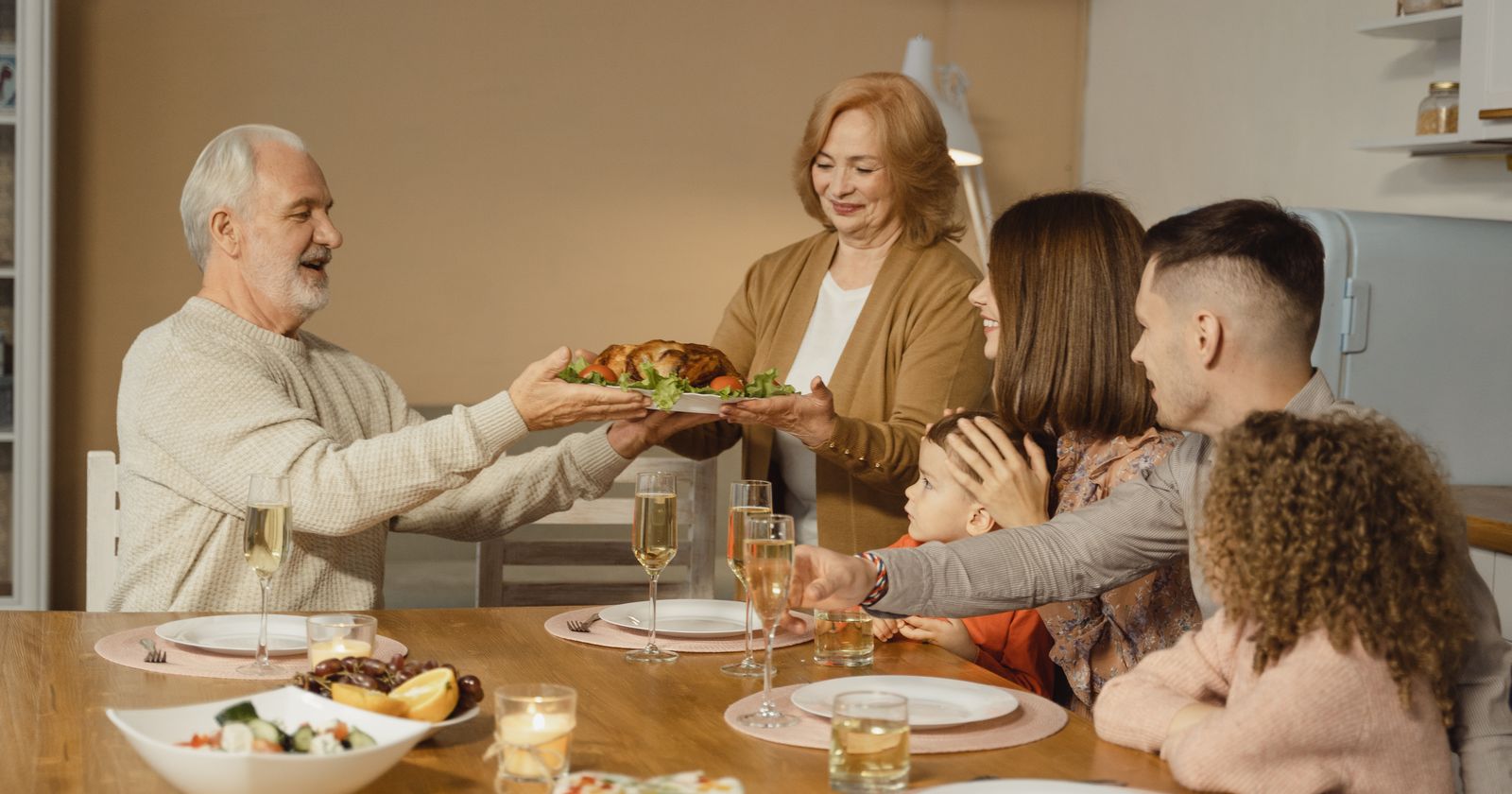
It’s the first Thanksgiving at your daughter’s house. You peek into the oven and say, before you can stop yourself, “I think that needs another twenty minutes.” She doesn’t turn around. “Mom, I’ve got it.”
You meant to help. You’ve cooked more turkeys than you can count. But in that moment, your opinion wasn’t wanted, and you both know it.
That can sting, especially when being the one who knows was part of your role for so long. When researchers asked 122 adults across three age groups about help and advice they hadn’t asked for, all three groups regarded it as more unpleasant than pleasant, mostly because it seemed to suggest they couldn’t manage on their own. Most of us have been on the receiving end, too.
The Artful Parent
Family-life ideas and sharp reads, in your inbox.
Here are nine graceful ways to respond when you sense your input isn’t welcome, so the gathering stays warm, and so do you.
1. Notice the quiet signals
A quick “Mm-hm.” A glance between siblings. A subject changed a little too fast.
Families rarely say “We don’t want your opinion” out loud. They tend to show it. Catching the signal early lets you stop after one sentence instead of five.
Try this: when you notice it, let the thought go and offer something useful instead. Back at the oven, even if you’re still sure about the turkey: “Okay. Want me to put the serving dishes out?”
2. Answer “Nobody asked” with “Fair enough”
Your son says it with a laugh, but it still lands. The temptation is to go quiet for the rest of the meal, or to explain why you were right.
Either one keeps the moment going. A light “Fair enough” and a sip of your drink can end it. People often relax when they see you can take it in stride.
If it was said unkindly, you’re allowed to mind, and you can say so calmly right then: “Fair enough. That came out a little sharp.” Then let the conversation move on.
3. Say “We see this one differently”
Politics, religion, the news. Someone says something you strongly disagree with, and the table goes tense.
Plenty of people would rather skip these topics at family events. In a survey for the American Psychological Association taken shortly after the 2024 election, 72% of US adults said they hoped to avoid discussing politics with family over the holidays.
Try this: “We see this one differently, and I’d rather enjoy dinner with you than argue about it. Who wants more potatoes?” You don’t have to pretend to agree. You’re just choosing the evening over the debate.
4. Let the host’s way stand
Back in your daughter’s kitchen. The stuffing has cranberries in it. The table is set differently from how you’d do it. The turkey, in the end, is fine.
When your adult children host, the way they do things is part of what they’re offering you. Small corrections can make that feel like a test.
Try this: find one thing to praise and say it plainly. “This stuffing is really good. Is that a new recipe?” Then ask for the recipe. You’ll learn something, and they’ll hear that their way is welcome.
5. Keep a few good questions in your pocket
When you feel an opinion coming on, a question can take its place. Not a question that sneaks the opinion back in, like “Are you sure about that school?”, but one about their lives.
“What’s been the best part of the new job?” “Where are you thinking of going this summer?” “What are the kids into lately?”
Try this: think of three before you arrive, one for each person you’re likely to sit near. They’ll come in handy more than once.
6. Find something to do with your hands
Sometimes the most graceful move is to step out of the conversation for a few minutes.
Refill the water glasses. Take the grandkids outside to look for pinecones. Start drying the dishes. It gives the moment time to pass, and it keeps you part of the day.
Try this: if a topic is heading somewhere you’ll regret, excuse yourself with a reason that’s true: “I’m going to go see what the little ones are up to.”
7. Skip the side conversation in the kitchen
“Can you believe your brother is letting them stay up this late?” you whisper to your daughter by the sink.
It can feel like a safe place to put the opinion. But side comments to one relative about another have a way of traveling, and they can put the listener in the middle.
Try this: if you wouldn’t say it to the person directly, let it go. And if a relative tries to start that kind of conversation with you, you can change course gently: “Oh, they seem to be having fun. Pass me that towel?”
8. Save real worries for a quieter moment, unless it’s about safety
Some concerns do matter, like a health problem nobody’s mentioning or a grandchild who seems unhappy.
Those deserve more than a remark across the table, which can embarrass people and make them defensive. A quiet word later, or a call during the week, is often easier to hear.
Try this: keep it short and private. “Can I mention something I noticed?” Then accept the answer, even if it’s no.
One thing can’t wait: someone who’s been drinking and is about to drive. That isn’t a matter of opinion. Speak up right then, quietly and directly: “I’m worried about you driving. Let’s get you a sober ride home.” Then help make it happen with a ride, a taxi, or the spare bed. The National Highway Traffic Safety Administration advises taking their keys and helping them arrange a sober ride home.
9. Say what’s underneath
Sometimes the urge to weigh in isn’t about the turkey or the bedtime. It’s about missing the role you used to have.
You may be used to being the one people turned to. When the family starts running without your input, it can feel like being left out, even when everyone loves you.
Try this: say it, lightly, to someone you trust. “I think I’m still getting used to not being in charge of Thanksgiving.” That kind of honesty often brings people closer than any piece of advice could.
Before you leave
Back to your daughter’s house. The turkey came out when she decided it was ready, twenty minutes sooner than you would have taken it out, and it was perfect anyway.
At the door, with your coat on, tell her: “I’m so used to being the one with the oven timer. It was lovely to sit down and be your guest.” Then go home and let it be her Thanksgiving.