
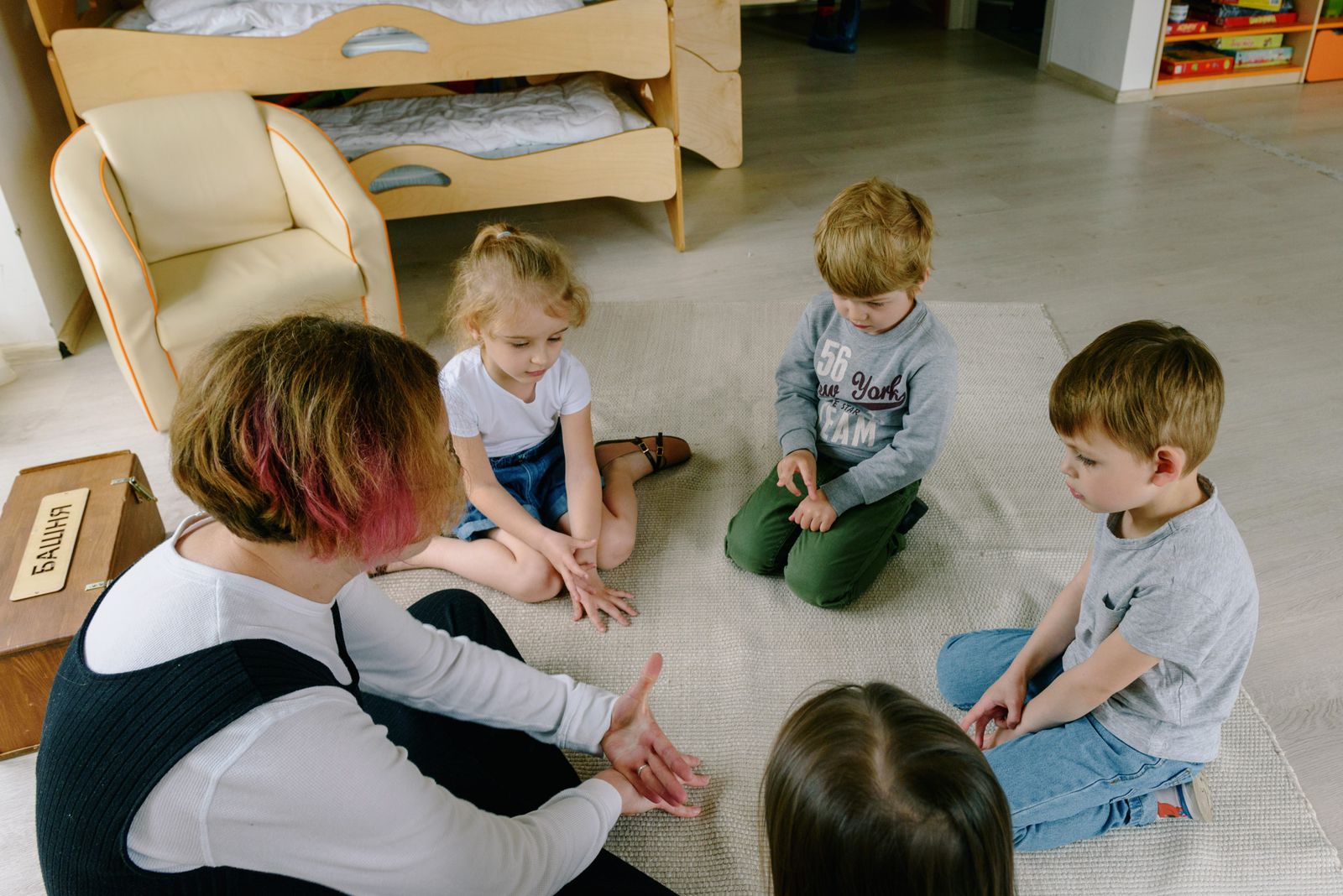

Ask a room of adults what they wish they had been taught as children, and the answers rarely involve algebra or the dates of famous battles. People tend to name skills for everyday life: how to handle money, how to manage stress and big feelings, how to get along with difficult people, how to make a good decision under pressure. Research suggests some of those skills can be taught to children, and that teaching them may also help with the schoolwork parents worry about most.
What adults say they missed
Money is the clearest example. In a September 2025 online survey of 2,485 US adults, the retirement company Empower found that 49 percent said they did not begin to understand how money works until they were at least 25. Asked what they wished they had learned earlier, people most often named retirement saving and planning (56 percent), investing (54 percent) and debt (44 percent). Almost two in three said they would have made different decisions if they had received better financial education when they were younger. As a company survey, it is not a peer-reviewed study, but its findings fit a wider pattern.
That pattern shows up in independent research too. A 2023 Pew Research Center survey of 7,470 US adults found that only about half said they knew a great deal or a fair amount about personal finances. Among those who did, 49 percent said they had learned a lot from family and friends. Just 19 percent said they had learned a lot in school before college.
The Artful Parent
Family-life ideas and sharp reads, in your inbox.
The other skills people say they missed are harder to put a number on, such as calming down when upset, understanding other people’s feelings, resolving conflict and sticking with a goal. These are the skills that researchers group under the label social and emotional learning, often shortened to SEL.
What the largest review found
In 2011, psychologist Joseph Durlak of Loyola University Chicago and colleagues published what was then the largest analysis of school programs designed to teach these skills. The meta-analysis in Child Development pooled 213 school-based programs involving 270,034 students from kindergarten through high school. All were universal programs, meaning they were offered to every child in a class or school, not only to children with behavior problems. About half of the studies randomly assigned students to the program or a comparison group.
The programs taught skills such as self-awareness, self-management, getting along with others and responsible decision-making. Compared with similar students who did not take part, participants showed better social and emotional skills, more positive attitudes, more helpful behavior, fewer conduct problems and less emotional distress.
The finding that drew the most attention was academic. In the studies that measured grades or test scores, students in the programs scored about 11 percentile points higher than their peers, even though the programs had no academic content. In practical terms, that is like moving an average student from the 50th percentile to about the 61st. The researchers noted that the gain fell within the range seen for many programs aimed squarely at academics.
Why would lessons about feelings and friendships help with reading and math? The study did not test the reason. One plausible explanation is that children who can manage frustration, focus their attention and work with classmates are better placed to learn, and classrooms with fewer disruptions leave more time for teaching.
Do the effects last?
Short-term gains are one thing. Parents reasonably want to know whether any of this sticks. In 2017, a team led by Rebecca Taylor and Eva Oberle, with Durlak, published a follow-up meta-analysis of 82 programs involving 97,406 students, this time looking at outcomes measured between six months and 18 years after the programs ended.
Students who had taken part continued to do better than their peers on social and emotional skills, attitudes and indicators of well-being. The benefits were similar regardless of students’ race, family income or school location. In the eight studies that measured academic performance an average of three and a half years later, participants were about 13 percentile points ahead. Because that figure rests on only eight studies, it should be treated with caution.
Durlak has been candid about what the research does not yet show. The studies cannot pin down exactly why the programs work, which skill matters most, or which children benefit in which ways.
Not every program works equally well
The 2011 analysis also found that how a program was run made a large difference. The strongest results came from programs that followed four practices, which the researchers summarized as SAFE: sequenced step-by-step lessons, active learning such as role-play, focused time spent on each skill, and explicit learning goals.
Somewhat surprisingly, simple classroom programs led by teachers performed well, while larger schoolwide efforts with many moving parts were less likely to follow those practices and showed weaker results. More is not automatically better. Clear, regular, well-delivered lessons seemed to matter most.
Why self-control stands out
A long-running study from New Zealand helps explain why these skills may matter far beyond school. The Dunedin study followed about 1,000 children born in the early 1970s until they were 32. In a 2011 paper in PNAS, Terrie Moffitt, Avshalom Caspi and colleagues reported that children with lower self-control were more likely as adults to have health problems, money troubles and criminal convictions, even after accounting for intelligence and family background.
One detail in their findings is especially encouraging for parents. Children whose self-control improved over the course of the study had better adult outcomes than their early scores predicted. Self-control, in other words, was not fixed in early childhood.
What parents can do at home
Schools vary widely in what they offer, and the Pew findings suggest home remains the main classroom for many life skills. The research points to some practical steps:
- Name feelings out loud. Helping children put words to frustration, disappointment or worry is the first step toward managing them.
- Practice problem solving together. When a conflict comes up, walk through what happened, how each person felt and what could be done differently.
- Make it active. Role-playing a tricky conversation, such as saying no to a friend or asking a teacher for help, mirrors what worked best in school programs.
- Keep it regular and specific. Short, frequent conversations with a clear goal are likely to do more than an occasional long lecture.
- Talk about money early. Saving, spending, borrowing and the idea of putting some money aside for later can all be introduced with pocket money and everyday purchases.
- Model what you want to see. Children learn a great deal from watching how the adults around them handle stress, mistakes and disagreements.
Many adults look back and wish someone had sat them down and explained how to manage money, feelings and relationships. The research suggests that these lessons can be taught, that children can carry them for years, and that teaching them need not come at the expense of academic success. If anything, it may help.
Photo: Ksenia Chernaya / Pexels (representative image)