
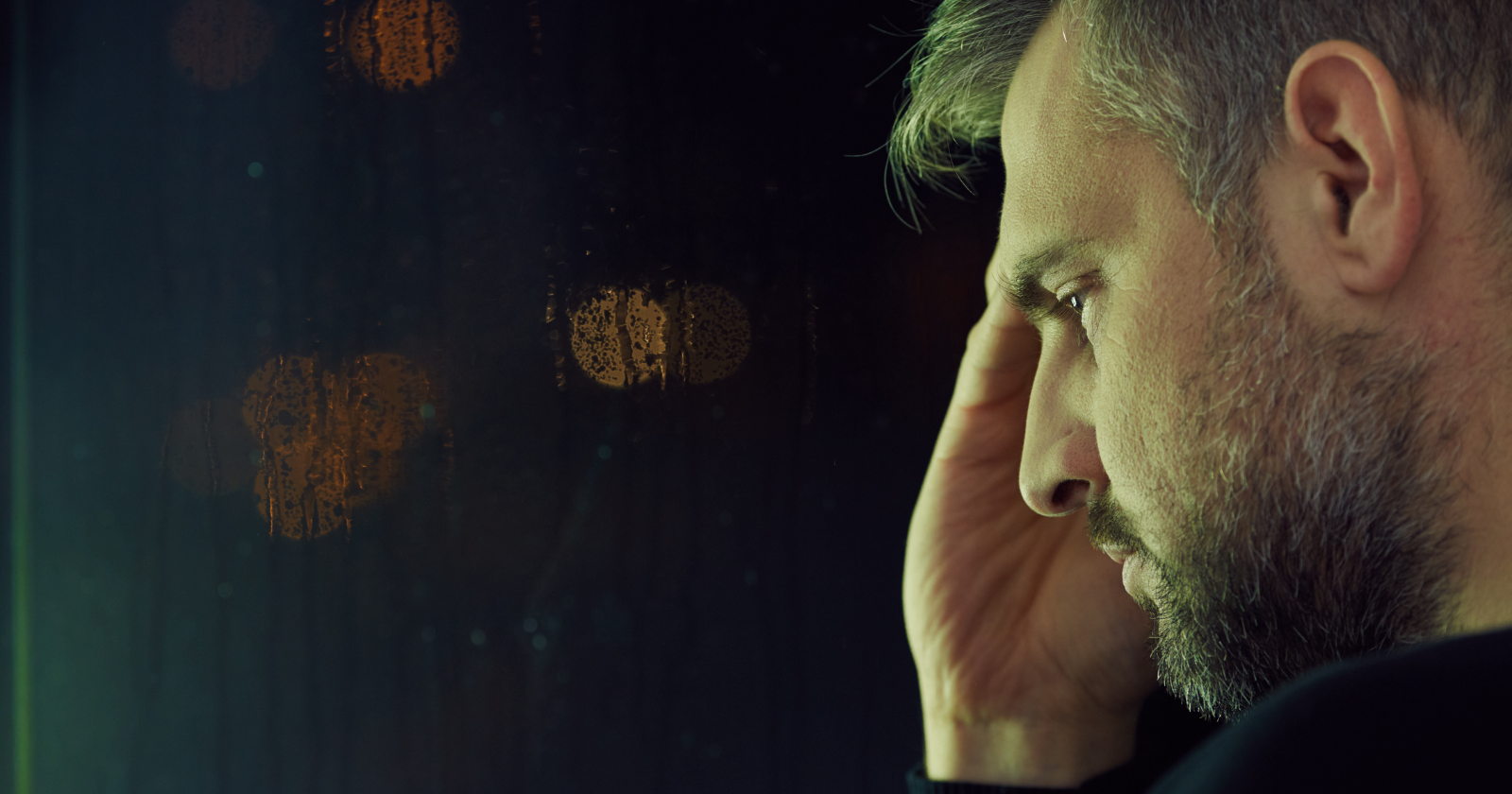

Three days after my dog died, I was standing on the floor of my restaurant, smiling at a table of six, patiently explaining that no, the beurre blanc could not be made without butter.
Freud was a Keeshond. Grey and cream, built like a small cloud with strong opinions. He had followed me through two cities and one spectacularly bad relationship, and he died on a Tuesday. By Friday I was back at work, because the world does not pause dinner service for a dog.
That is the part nobody warns you about. Not the pain, the pain you expect. What ambushes you is the loneliness of carrying something enormous through a world that has already moved on and quietly expects you to do the same.
The world runs on a stopwatch
Grief comes with an invisible clock, and everyone around you can read it except you.
The first few days, people are gentle. They bring food. They send the careful, well-punctuated messages. Then a week passes, maybe two, and the check-ins thin out. “How are you doing?” stops meaning “tell me the truth” and starts meaning “you’re back to normal now, right?”
Workplaces are even blunter about it. You get a few days of compassionate leave for a human, precisely zero for a dog, and then the emails pile up as though nothing happened at all. The machine wants you operational again. Whole. Productive. On time.
The trouble is that grief cannot read a calendar. It has no idea it is meant to be tidied away by the second Monday. So you end up living in two time zones at once: the world’s, which has moved on, and your own, which is still standing in the kitchen at 2am wondering why the house is so quiet.
Some losses don’t get a funeral
Here is a phrase worth knowing: disenfranchised grief.
Grief researchers use it to describe loss that the world does not quite give you permission to mourn out loud. The death of a pet. An ex you never stopped loving. A miscarriage. A friendship that quietly ended. The version of yourself you had to leave behind. Real, heavy losses that arrive with no ceremony and no casserole.
When Freud died, more than one person told me, kindly and with a completely straight face, that “it was just a dog.” And I understood what they meant. But that “just a dog” had been the one creature who saw me at my absolute worst and never once wrote me off. Try explaining that to someone glancing at their watch.
The problem with grief the world refuses to count is that you slowly start doubting it yourself. You feel gutted, then you feel a bit silly for feeling gutted, then you feel alone in a way that has nothing to do with whether there is anyone else in the room.
Functional is a costume
I was very functional that Friday. Ask anyone who was there.
I ran the pass. I remembered the regulars’ names. I made a joke about the wine list that actually landed. If you had watched me work, you would have said, that man is absolutely fine.
I was not fine. I was performing fine, which is a different and far more tiring job. There is a gap between looking okay and being okay, and most of us learn to live inside that gap so smoothly that we forget we are acting at all.
This is where it turns dangerous, because the world rewards the costume. Smile, answer the emails, hit the deadlines, and everyone around you relaxes. Nobody asks the follow-up question. So you get very good at staying upright, and no good at all at being honest.
The loneliness is the second loss
You lose the thing first. Then, a little later, you lose the ability to talk about having lost it.
That second loss is the loneliness, and it is sneakier than the first. Everyone expects you to be sad in week one. Nobody expects you to still be carrying it in month four, so by then you have taught yourself to carry it silently. You mention it and you can feel people brace, as though you have brought up something faintly embarrassing at dinner.
I have written before about how loneliness is rarely about the number of people around you, and grief proves it better than anything. You can be surrounded by good, kind, well-meaning humans and still feel utterly on your own, simply because the one thing filling your head is the one thing nobody wants you to say out loud any more.
What actually helped me
I am not going to hand you a neat five-step plan for grief, because there isn’t one, and anyone selling you one is lying. But a few things genuinely helped, so here they are.
Find the one person who lets you be un-fine. Not ten people. One. Someone who does not flinch when you say you are still not okay, who does not try to fix it or hurry you along to the lesson. Everyone else can have the costume. This person gets the truth.
Stop confusing busy with better. I threw myself into work and called it healing. It wasn’t. It was distraction wearing a productive hat. Busy just means the grief waits for you at 2am instead, and it turns out to be very patient.
Give yourself a longer clock than the world gives you. The world’s timeline is not a medical instrument. It is just the average of everyone else’s discomfort with your sadness. You are allowed to take longer than that. Freud got months, and he earned every single one.
Say the loss out loud, and use its name. Grief researchers talk about “continuing bonds,” which is a plain idea dressed in academic clothes: the people and creatures you love stay with you, you just slowly learn to carry them differently. Naming them keeps the bond alive, it doesn’t reopen the wound.
And let the small rituals happen. For a while I still reached for the lead by the door out of pure habit. Rather than feeling foolish about it, I let it be a tiny hello. Grief that gets to breathe hurts less than grief you keep locking away in a cupboard.
It has been years now, and I sold the restaurant a long time ago. But I can still picture that Friday with total clarity: the scallops, the beurre blanc, the smiling, and the enormous quiet thing I was carrying past every table.
If you are carrying your own version of that right now, I want you to hear one thing. Feeling it this long doesn’t make you slow, or broken, or dramatic. It makes you someone who was whole enough to love something, in a world that would much rather you just got functional again. Take your time. The people worth keeping will wait.