

Most people plan vacations around the assumption that the trip itself is where the happiness comes from, the beach, the sights, the time away. Two studies looking closely at when that happiness actually shows up, and what people do while they’re having it, suggest both the timing and the habits worth building into a trip are a little different than conventional wisdom assumes.
The clearest evidence on timing comes from a 2010 study by Jeroen Nawijn, Miquelle Marchand, Ruut Veenhoven, and Ad Vingerhoets, published in Applied Research in Quality of Life. The researchers surveyed 1,530 Dutch adults before and after a vacation period, comparing the happiness of the 974 who took a trip against those who didn’t. People planning a vacation were measurably happier beforehand than non-vacationers, a clear anticipation effect. But after returning, there was no significant overall happiness difference between vacationers and everyone else. Only trips people rated as genuinely “very relaxing” produced any post-trip happiness boost at all, and even that effect was concentrated in the first two weeks back and had faded completely by eight weeks. The upshot the researchers drew directly from the data: since anticipation, not trip length, is what drives the happiness gain, spreading two or more shorter trips across the year likely produces more total happiness than pouring everything into one long annual vacation.
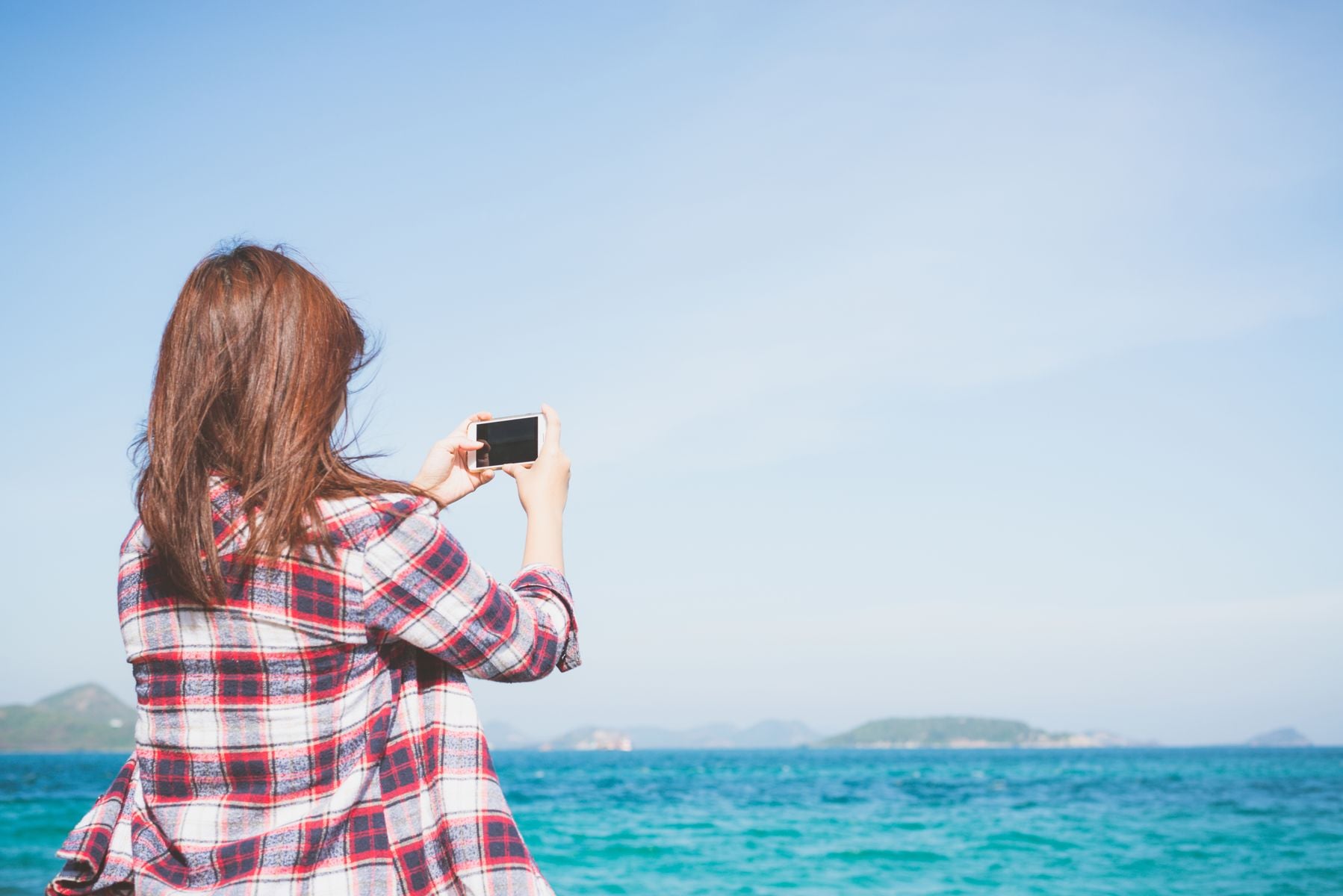
A second study helps show that a specific habit during the trip itself, taking photos, does more good than the common worry that a camera or phone pulls people out of the moment. In a 2016 study by Kristin Diehl, Gal Zauberman, and Alixandra Barasch, published in the Journal of Personality and Social Psychology, the researchers ran nine separate experiments with more than 2,000 participants across real settings, a bus tour, a food-court meal, a museum exhibit. Across the board, people who took photos during an experience reported enjoying it more than people who didn’t, and eye-tracking data from the museum study showed exactly why, photo-takers spent more time actually examining what they were looking at than passive observers did. The boost had real limits worth knowing, it reversed during genuinely unpleasant moments, and it disappeared when people were already actively engaged in something, like doing a craft rather than just watching one, or when clunky equipment got in the way of the experience itself.
Together, these two studies offer two specific, evidence-backed rules for getting more out of travel. Nawijn and colleagues’ research shows that the happiness payoff from a trip is front-loaded into the anticipation and doesn’t reliably outlast the return home by more than a couple of months, which argues for booking more trips, not necessarily bigger ones. Diehl, Zauberman, and Barasch’s research shows that reaching for a camera during the good parts of a trip isn’t a distraction from the experience, it’s linked to genuinely paying closer attention to it. Between the two, the traditional single big annual getaway, experienced mostly through the lens of “just being present,” may be leaving happiness on the table compared to more frequent trips where photo-taking is embraced rather than avoided.
It’s worth being honest about what these two studies don’t establish. Nawijn and colleagues’ research was conducted with Dutch adults specifically, and vacation culture, average trip length, and paid leave norms vary enough across countries that the exact eight-week fade point might look different elsewhere. Diehl, Zauberman, and Barasch’s research measured enjoyment during and shortly after the photographed experience, not necessarily the quality of the memories built from those photos years later.
Within those honest limits, the research offers a genuinely practical pair of travel rules. Book more trips rather than saving everything for one long one, since the anticipation is doing much of the emotional work anyway, and take photos freely during the moments that are actually going well, since the evidence suggests that habit reflects deeper engagement, not distraction from it.