
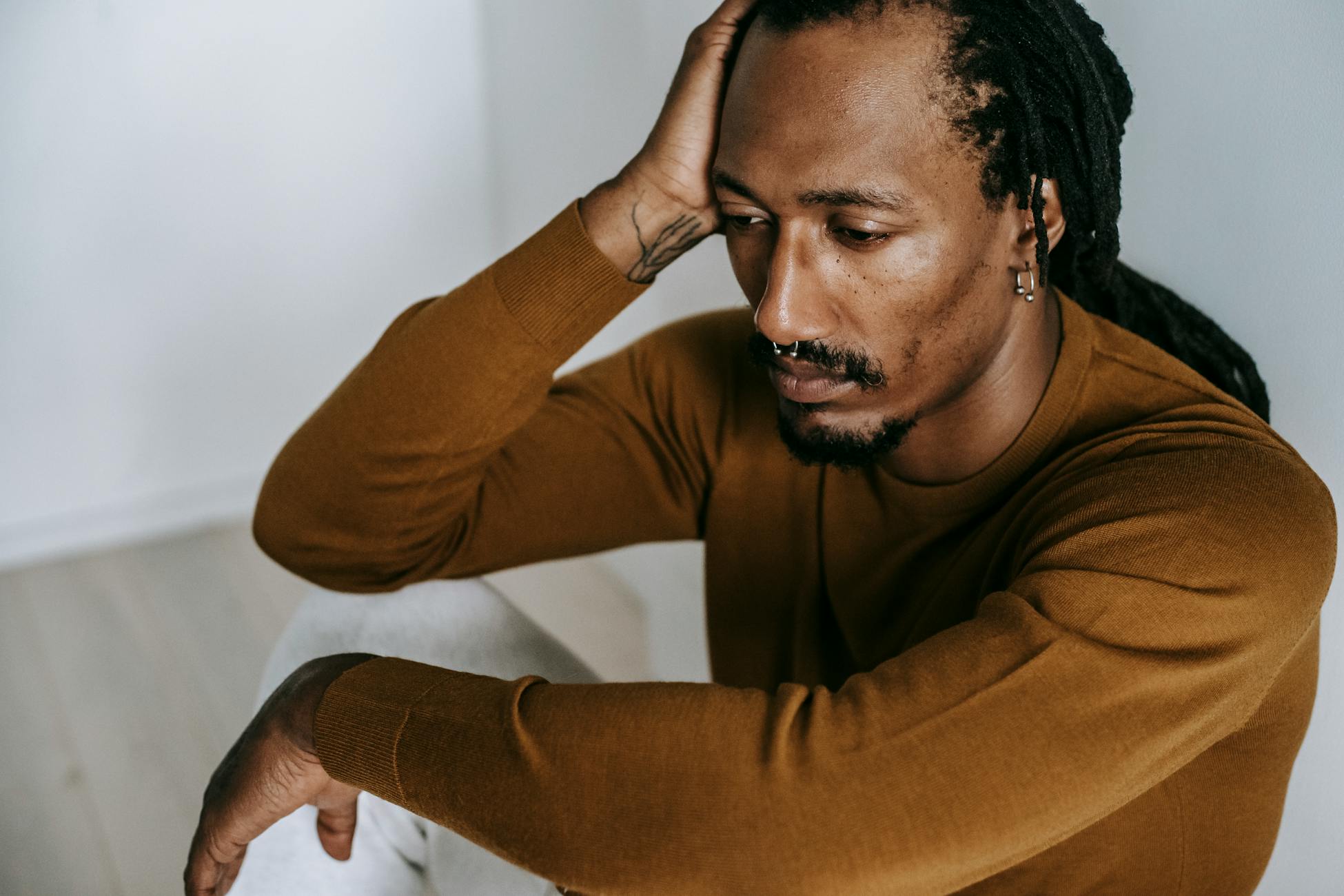
I’ve been sitting with something uncomfortable lately. A few weeks ago, my younger sister sent me a screenshot of a comment thread where someone our parents’ age called twenty-somethings “emotionally self-indulgent” for talking about their anxiety so openly. The replies were brutal on both sides. And I found myself doing what I always do when something stirs up that particular brand of discomfort: I closed my phone, checked the locks on the front door twice, and went to fold laundry I’d already folded once. My body processed the tension the only way it knew how. The way it was taught.
Because here’s the thing. I grew up in a house where feelings existed, but only in the background, like wallpaper you stopped noticing. My father came home every evening, ate dinner, and read the paper. My mother scrubbed the kitchen until it gleamed. Love lived in those actions, and I never doubted it was there. But nobody said the word “anxious.” Nobody said “I’m struggling today.” And I absorbed that silence the way children absorb everything: completely, without question, into the marrow.
The Body Keeps the Receipt
I’ve written before about parents who loved their children but didn’t know how to show it, and the response always surprises me, not because people disagree, but because so many people recognize themselves in the silence. That recognition tends to live somewhere physical. Tight shoulders. Clenched jaw at 2 AM. A stomach that flips before the phone rings.
Research on how emotions influence physical health has shown that people who chronically suppress their emotional experiences are more likely to develop cardiovascular issues, chronic pain, immune dysfunction, and gastrointestinal problems. The feelings don’t evaporate because we refuse to name them. They find other addresses. They move into the body, the marriage, the distance between a parent and a child who can’t figure out why they feel so far apart at the same dinner table.
My mother carried anxiety her entire life. I know this now because I carry it too, and when I finally started therapy in my late twenties, my therapist said something that stopped me cold: “Anxiety is often the family heirloom nobody wants to claim.” She was right. My mother’s anxiety looked like midnight drawer-reorganizing and meticulous meal planning and a house so clean you could perform surgery on the kitchen floor. Mine looks like checking the stove four times, making lists of lists, and waking before my alarm because my nervous system is perpetually braced for something unnamed.
Same anxiety. Different decade. Same silence around it.
What Younger People Actually Learned
When I hear someone dismiss Gen Z for being “too open” about their mental health, I think about what it actually costs to be the opposite. I think about my father, who provided for us beautifully and could not say the words “I’m proud of you” without clearing his throat and looking away. I think about how many women in my mother’s generation developed autoimmune conditions in their fifties, after decades of holding every crack together with their bare hands, and how nobody connected those dots.
The younger generation grew up watching us. They watched their parents hold it together. They also watched what “holding it together” eventually did to those parents, to their bodies, their relationships, and the quality of presence available at the end of a long day of performing okayness. And some of them, the brave ones and maybe the lucky ones too, decided to try something different.
Talking about your anxiety at twenty-two isn’t fragility. It’s a young person choosing not to wait until they’re forty-five to discover that the chest pain sending them to the ER is actually a panic attack they’ve been white-knuckling for two decades. Behavioral health and physical health are deeply intertwined, and our daily habits, emotional patterns, and coping mechanisms shape our long-term wellbeing. The younger generation seems to understand this intuitively, or at least they’re willing to act on it before the body forces the conversation.
The Dinner Table Silence
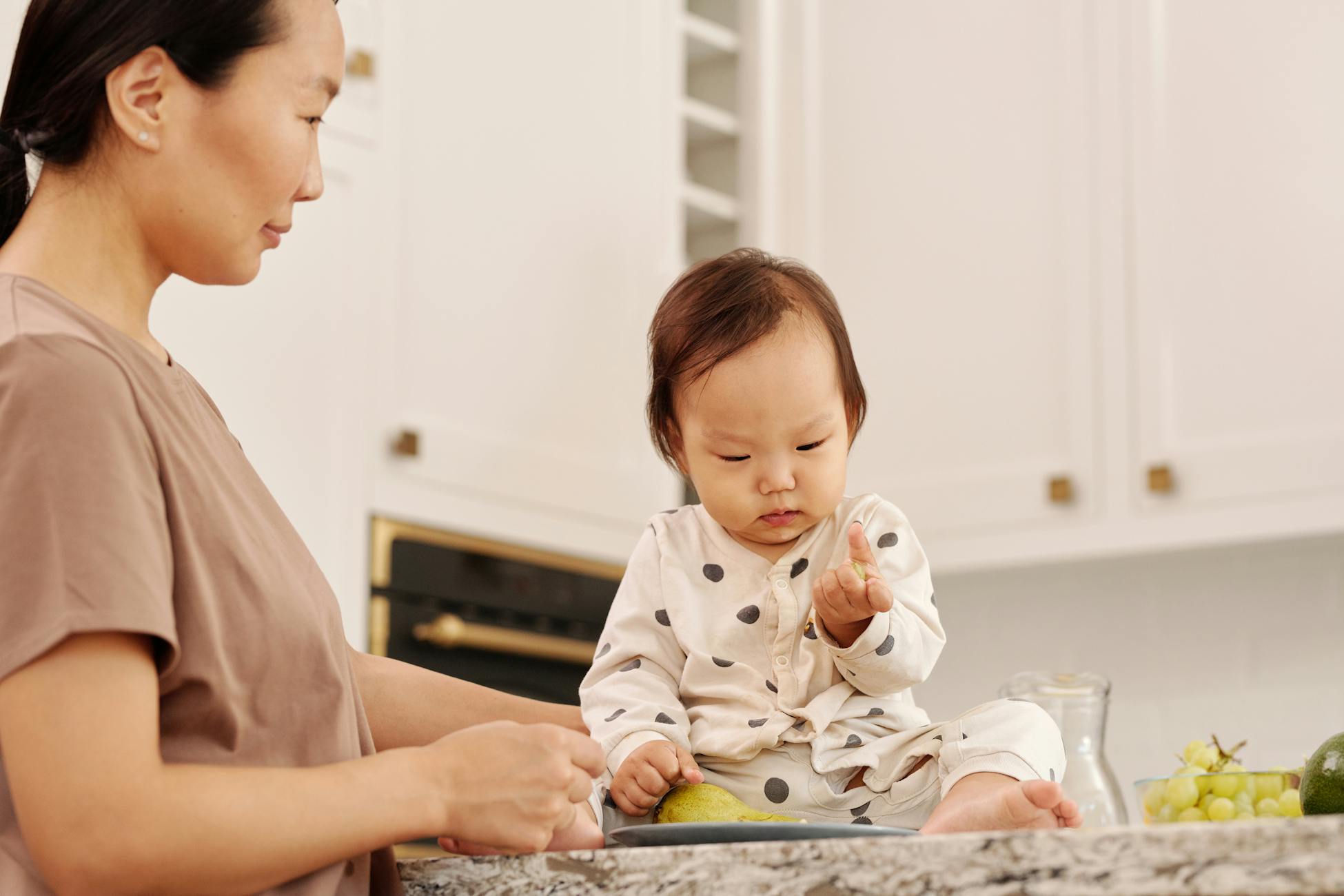
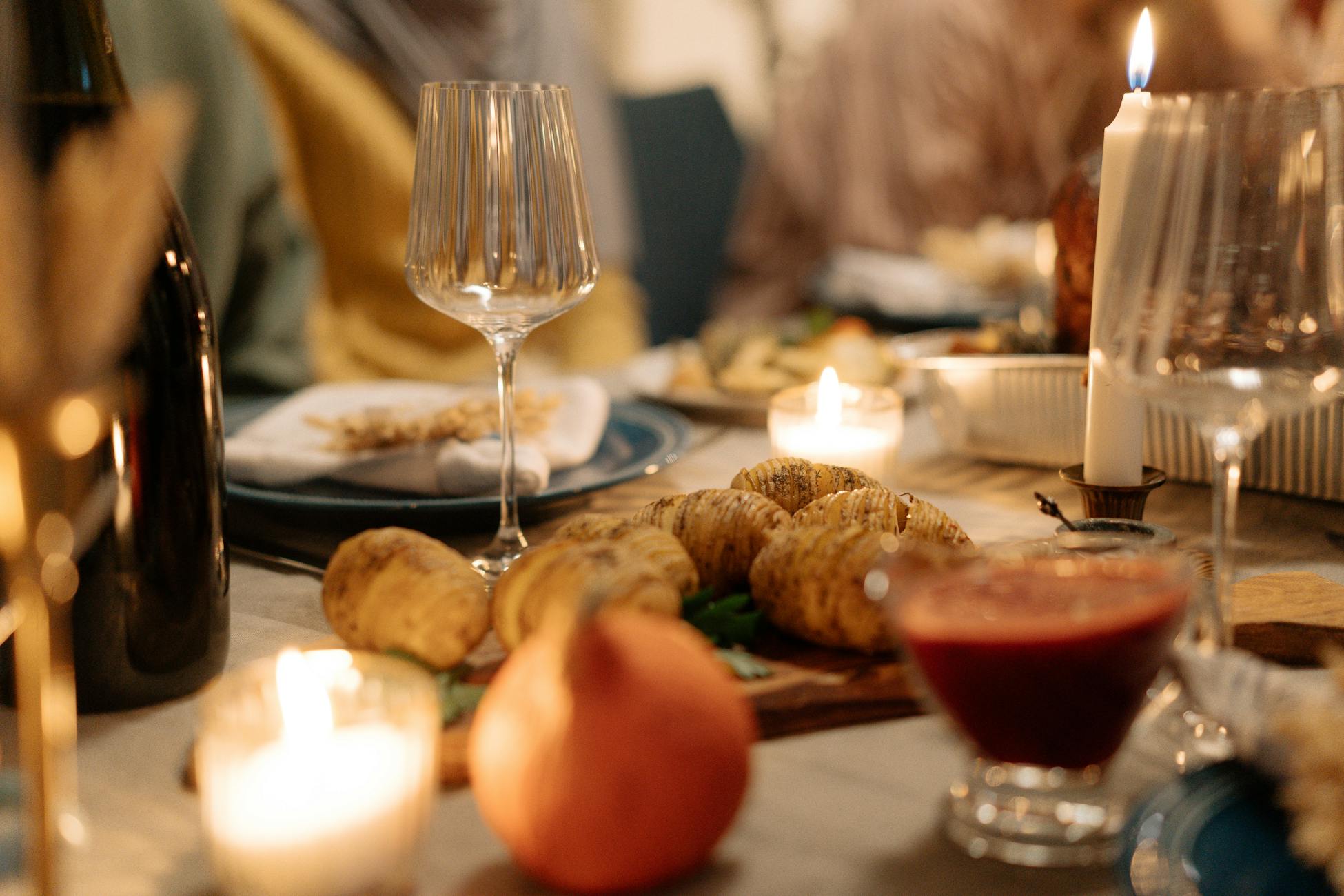
Last week, Ellie asked me why I was quiet during dinner. She’s five. She noticed. She said, “Mama, your face is thinking hard but your mouth isn’t talking.” And I had a choice in that moment, the same choice my mother had a thousand times. I could say “I’m fine, eat your peas.” Or I could say something true.
I said, “I had a hard afternoon and I’m feeling a little tired inside. But I’m okay, and dinner with you is making it better.” She nodded, went back to her pasta, and then said, “Sometimes I feel tired inside too.”
That exchange took twelve seconds. And it taught my daughter something that took me thirty years and a therapist’s couch to learn: feelings are allowed to have names. You can say them out loud and the world doesn’t end. In fact, something in the room softens.
The dinner table silence of previous generations wasn’t cruelty. I want to be clear about that. My parents loved us fiercely. But the silence was a strategy inherited from their parents, who inherited it from theirs, a long lineage of people who believed that endurance was the same as strength, and that naming a feeling gave it power. The truth is closer to the opposite. Unnamed feelings accumulate a kind of compound interest of unresolved emotion that eventually demands repayment, with interest, in the currency of your health, your patience, or your capacity for intimacy.
The Cost of “Fine”
I’ve been thinking about the word “fine” a lot. How many times I said it growing up. How many times my mother said it. How “fine” became the load-bearing wall of our family’s emotional architecture, holding everything up while slowly developing cracks nobody was allowed to inspect.
Matt asked me the other night if I’d noticed that Milo, who is two and observing everything with that terrifying toddler clarity, has started saying “I’m okay” before anyone asks if he is. He bumps his knee, and before I can cross the room, he says it. “I’m okay, Mama.” And something in my chest tightened because I recognized it. That preemptive reassurance. That need to signal to the people around you that you will not be a burden, that your pain is manageable, that you do not require tending.
He learned it from watching me.
That’s how it works. Children don’t learn emotional vocabulary from what we teach them. They learn it from what we model. When I reflexively say “I’m fine” after burning dinner or after a phone call that leaves me shaky, Milo and Ellie are taking notes. They are learning the family policy on feelings. And if that policy is suppression dressed up as resilience, they’ll carry it forward the same way I did, the same way my mother did, until something breaks loud enough to finally get attention.
There’s a reason so many of us who grew up in “fine” households now find ourselves drawn to chasing happiness as though it’s a place we’ll eventually arrive at, rather than something we allow ourselves to feel in real time. We were trained to defer, to wait, to earn our emotions through sufficient endurance. Young people who talk openly about their mental health are refusing that deferral. And that refusal looks, to people who built their entire identity on endurance, like weakness. But I think it looks more like someone refusing to inherit a debt they didn’t take out.
Grief for What Was Never Said
The hardest part of this, for me, is the grief. Because when you start unpacking the silence you grew up in, you have to grieve what could have been different. I grieve the version of my childhood where my father could have said “I’m scared too” when the bills piled up, instead of going quieter and quieter until silence became his permanent weather. I grieve the version where my mother could have said “I need a break” without it feeling like a confession of failure.
I grieve for them. Not against them.
Because the silence wasn’t malice. It was survival. It was the best technology their generation had for managing pain. You worked harder, cleaned more, showed up earlier (and if you grew up in that world, you know the particular vigilance of always arriving early to everything, as though punctuality could prevent catastrophe). You did not sit on your bed and say “I think I’m depressed.” You got up. You kept going. And eventually your body kept the score your mouth refused to speak.
The Conversation I’m Trying to Have
I’m 35, I’m in therapy, I practice attachment parenting, I read picture books about feelings with my kids, and I still catch myself performing “fine” at least three times a day. The programming runs deep. But I’m trying. Every time I name an emotion out loud in front of my children, every time I say “Mama’s feeling frustrated right now and she needs a minute,” I’m writing a small correction into the family code.
The younger generation that talks about their mental health so freely didn’t invent emotional openness. They just refused to keep paying the cost of emotional silence. They looked at the evidence (the chronic illness, the fractured relationships, the parents who loved them but couldn’t say so without choking on the words) and they chose differently.
That choice isn’t narcissism. It isn’t fragility. It’s the bravest kind of inheritance: taking what your parents gave you, seeing what it cost them, and deciding to spend your life differently. Not because they were wrong. But because you watched them carry something too heavy for too long, and you loved them too much to pretend the weight wasn’t real.
If you’re reading this and something stirs in your chest, if you recognize the silence, the performing, the fine that was never fine, know that naming it, even now, even late, still counts. The body is listening. It has always been listening. And it has been waiting, patiently, for you to finally say the thing out loud.
