For most of my adult life, I measured my worth by what I could do for people. Fix the problem. Provide the answer. Keep things moving. I spent over thirty years in human resources, sitting with people through some of the hardest moments of their working lives, and I was good at it — not because I was clever, but because I knew how to stay steady and get things done. That same instinct came home with me every evening. Dad was the one you called when something broke, when you needed a decision made, when the budget needed balancing. I was proud of that. I thought being useful was the same as being present.
I wasn’t entirely wrong. But I wasn’t entirely right, either.
Now I’m sixty-three. My sons are grown men with kids of their own. And most Saturday mornings, I’m on my knees on a living room floor, making engine noises with a three-year-old who doesn’t care one bit what I used to do for a living. He just wants me there. No agenda, no outcome, no problem to solve. Just there.
It took me this long to understand that this is actually the harder skill — and the more important one.
The version of fatherhood I defaulted to
I want to be honest here, because I think a lot of men my age will recognise this. When my boys were young, I was hands-on — weekends in the garden, school runs when I could manage them, holidays I planned to the last detail. I loved being their dad. But somewhere in their teenage years, when work got more demanding and life got louder, I started pulling back without quite realising I was doing it.
I told myself I was tired. And I was. But tiredness was also a convenient reason not to sit with the uncomfortable stuff. Not to slow down. Not to just be there without a purpose.
The version of fatherhood I defaulted to was one of management. Keep the household running. Set the expectations. Hold the line. What I gave less of was the other thing — the unstructured, unproductive, just-because-I-love-you kind of attention that kids actually need. My younger son told me years later, when he was already a grown man, that my habit of offering advice had felt like constant criticism. That landed hard. I thought I was being helpful. He experienced it as never being quite good enough.
That conversation changed something in me. And it took becoming a grandfather to fully feel what he meant.
What the grandchildren taught me about showing up
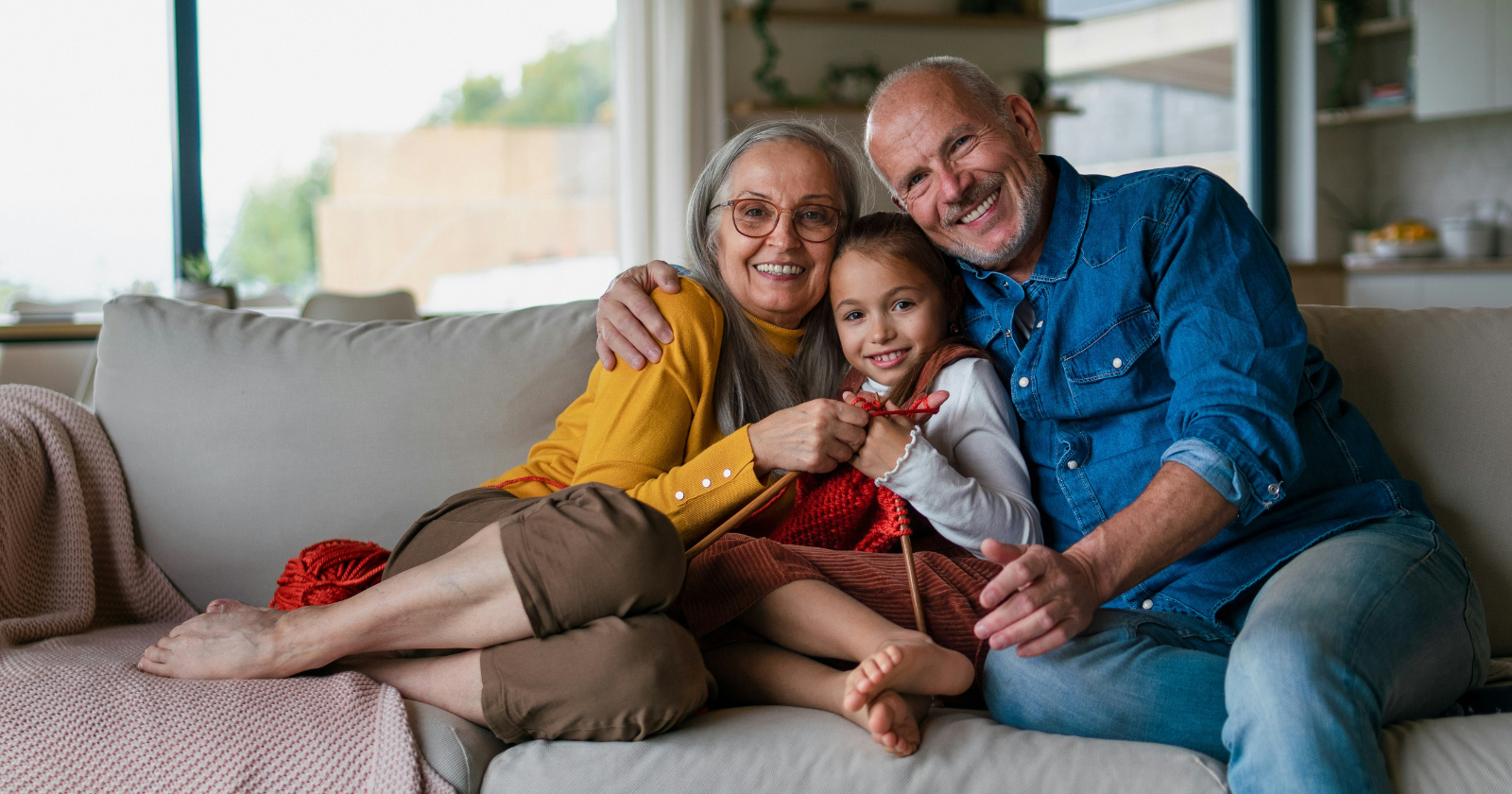
I have four grandchildren — two from each of my sons — ranging from three to eleven years old. I see one set almost every week, the others about once a month. And somewhere along the way, without planning it, I became a different kind of person with them than I was with their fathers.
I let them lead. If my grandson wants to tip out a box of toy cars and just sit there crashing them together for forty minutes, that’s what we do. If my granddaughter wants to tell me, in extraordinary detail, about a disagreement she had with someone at school, I just listen. I don’t jump to solutions. I’ve learned — finally — that the listening is the point.
What surprised me was how much you learn when you stop filling the silence. Grandchildren will tell you things they won’t tell their parents, but only if you stay quiet long enough. Only if they can feel that you’re not about to fix it or turn it into a lesson.
Related Stories from The Artful Parent
- I’m 63 and my grandkids think I’m the fun one, the patient one, the one who listens — and every time they say it I want to ask my son if he remembers me that way, because I know he doesn’t and I don’t know how to apologize for who I was when exhaustion was mistaken for love
- I’m 63 and my grandson asked me last week why I’m always smiling when I see him, and I realized the answer is heartbreaking — because loving him doesn’t require anything from me except showing up, and that’s the first time in my life love has ever felt that simple
- Psychologists suggest the parents who raised kids on a tight budget while still keeping them fed, housed, and loved performed one of the most underrated acts of competence in modern life — and these 8 skills they passed down are ones that money can’t teach
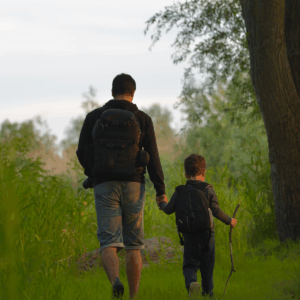
I take the local grandchildren to the park most weekends. I consider it the highlight of my week — not something I say lightly. Some of the best afternoons we’ve had have had no plan at all. We just wander. We look at birds. We sit by the pond. And in those moments, I’m aware of something I didn’t feel enough of the first time around: that being with someone, without an objective, is its own form of love.
The apology my sons deserved
One of the most useful things I’ve done in recent years is apologise. Specifically. Not the vague “I know I wasn’t perfect” kind, but the kind where you name the actual thing you got wrong and say it plainly.
I told my older son that I pushed him toward a career path that made sense to me but wasn’t right for him, and that it took me too long to accept I’d been wrong about it. I told my younger son that I heard what he said about the advice thing, and that I understood it better now than I did at the time.
These weren’t easy conversations. But something opened up on the other side of them that years of staying quiet hadn’t. My sons talk to me more now. They ask me things. The relationship has more room in it.
I’ve come to believe that apologising to your adult children for specific things you got wrong is one of the more important things a father can do. Not to punish yourself, but because it tells them that you were paying attention — even if the lesson came late.
Presence over productivity — what retirement finally taught me
I won’t pretend retirement was easy at first. When the company offered a redundancy package and I took it, I thought I was ready. I wasn’t. The first few months felt like falling off a cliff. My whole identity had been built around being useful, and suddenly nobody needed me to do anything. I went through a genuinely difficult period — low, purposeless, not quite sure who I was outside of a job title.
My wife Linda suggested I start writing. She’d listened to enough of my stories and observations over the years to think they might be worth putting down. I was skeptical. I’d never seen myself as a writer. But I discovered that the skills I’d spent a career building — listening carefully, observing people, explaining things plainly — translated better than I expected.
And through the writing, I started to understand something I’d intellectually known but hadn’t quite felt: that presence is not the same as productivity. That sitting on the floor making engine noises with your grandson is not a lesser use of your time than any meeting you ever attended. That the quiet moments — the park walks, the car journeys, the lunches with Linda that I never had time for during working years — are where the actual life is.
I missed some of that the first time around. I know that. But I’m not interested in guilt that doesn’t go anywhere. What I’m interested in is making sure I don’t miss it now.
It’s not too late — that’s the part that still surprises me
If I could say one thing to a father in his forties or fifties who’s reading this from inside the busy years — it’s that the floor will still be there when you get home. The cars will still need crashing. Your kids will still need you to show up without an agenda, even when they’re too old for toy cars.
And if you’ve already come out the other side, like me — if your children are grown and you find yourself wondering whether you gave them enough of the right thing — I’d say this: it’s not too late to change how you show up now. It’s not too late to listen more and advise less. It’s not too late to say the specific thing you should have said years ago.
Being Papa has given me something I didn’t fully have as Dad — the ability to be in a moment without needing it to go anywhere. My grandchildren didn’t teach me that deliberately. They just needed me to sit on the floor. And in doing it, I finally understood what I’d been too busy, too tired, and too focused on being useful to see the first time around.
That’s not a small thing. That’s everything.