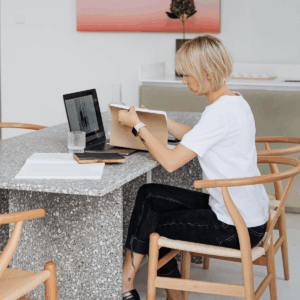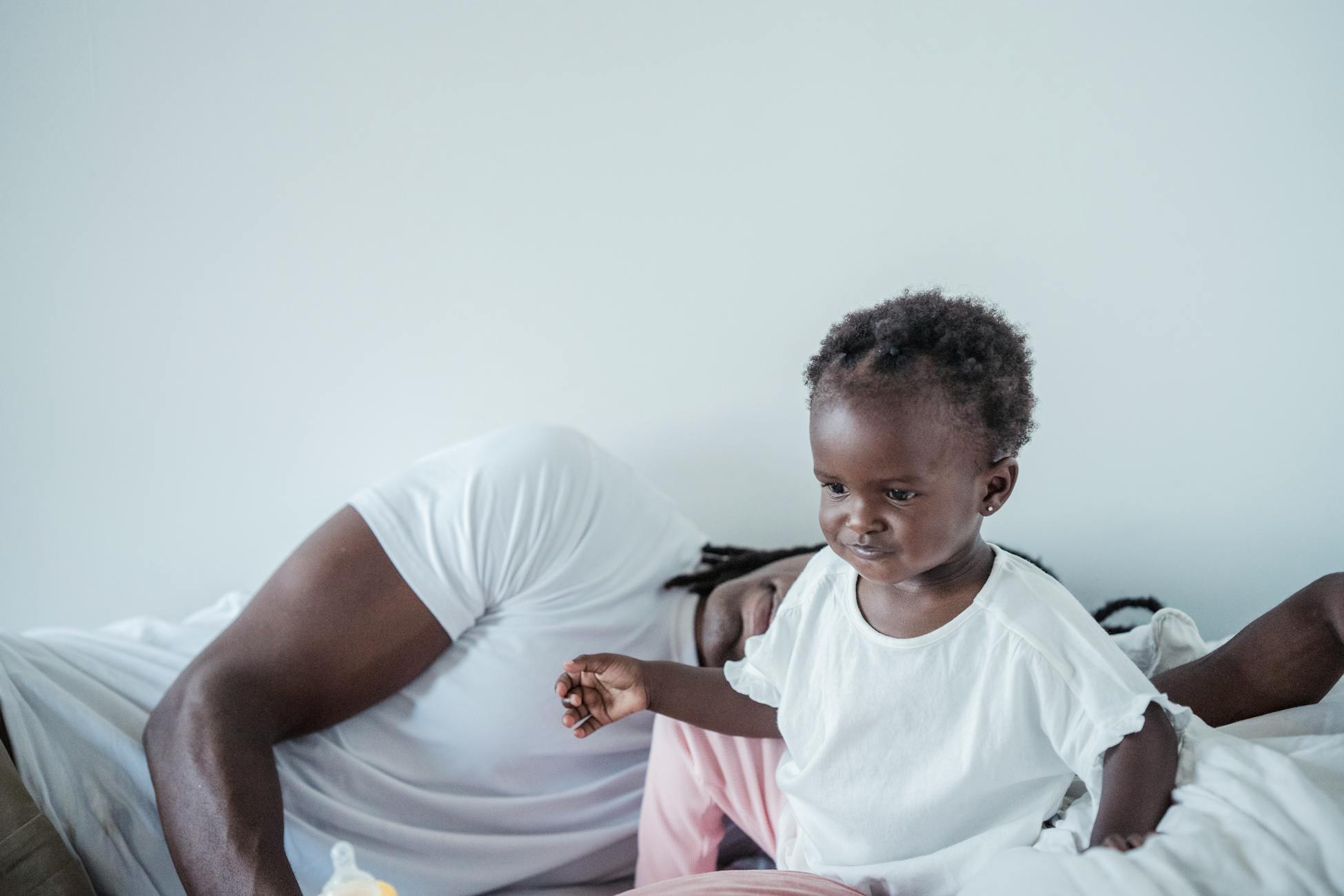
My mother, who was born in 1953, cannot watch a movie without folding laundry. She cannot sit on the porch without a notebook of things to do. She cannot, as far as I have ever observed, exist in a room without producing something — a meal, a hemmed pant leg, a rearranged drawer, a phone call to a sister who didn’t ask to be called. When I tell her she looks tired, she says she’ll rest when she’s dead. She means it as a joke. It isn’t one.
Most people read this kind of behavior as personality. She’s just a doer. She’s high-energy. She likes to keep busy. That framing is comforting because it locates the restlessness inside her, like a metabolism. It also happens to be wrong, or at least incomplete. What looks like temperament is almost always a transmission — a set of beliefs about what makes a person worthy, installed before she could read, by parents who learned the same lesson from theirs.
The 1950s parents who raised her had survived the Depression and a world war. Idleness wasn’t a sin they invented; it was an adaptation that kept families fed. But by the time my grandmother was raising children in a postwar suburb, the original pressure was gone and the discipline remained. The kitchen was warm, the pantry was full, and stillness was still being treated like a moral failure. A child reading on the couch in the afternoon was a child who needed something to do. A grown woman sitting down before the dishes were done was a grown woman who had let herself go.
The Inheritance Nobody Names
Researchers who study how parenting beliefs travel between generations describe something called the intergenerational transmission of parenting — the way values, scripts, and emotional reflexes get passed down without anyone consciously deciding to pass them along. The transmission isn’t usually in what parents say. It’s in what they do when they think no one is watching. The mother who always stands at family dinners. The father who falls asleep in his work clothes. The grandmother who considers napping a form of surrender.
Children watch this with forensic attention. They learn that love in this family is given to the useful, and withheld, subtly, from the still. They don’t have language for it yet, but they have a body that knows: when I sit down, the air gets colder. When I produce, the air warms.
My mother’s generation absorbed this completely. They built lives that look, from the outside, like the American dream their parents were promised — houses, vacations, retirements with savings — but they cannot enjoy any of it for longer than about forty minutes before something inside them starts to itch. The itch is not boredom. It’s the old verdict, still working: you have not earned this yet.
Erik Baker, in his recent history of the American work ethic, traces how the country managed to pile work on top of work across the twentieth century, turning labor from a thing you did into a thing you were. The 1950s sat at the hinge of that shift. The fathers who came home from the war and the mothers who built the suburbs around them weren’t just working hard. They were performing worthiness through productivity, in front of children who were learning to read worthiness the same way.
What Gets Passed Down Is the Flinch
The thing about a moral inheritance is that you don’t have to agree with it for it to govern you. My mother knows, intellectually, that rest is good. She has read the articles. She forwards them to me. She has, on more than one occasion, told my children that they should sleep in, take it easy, not work themselves to the bone like she did.
And then she sits down on my couch and is on her feet within four minutes, looking for a sponge.
This is the gap her generation lives in. They believe rest is healthy the way they believe broccoli is healthy — as a category of correct behavior they admire from a distance. The body still flinches. The body learned, fifty and sixty and seventy years ago, that stillness was the precursor to criticism. You can update the software all you want; the hardware remembers.
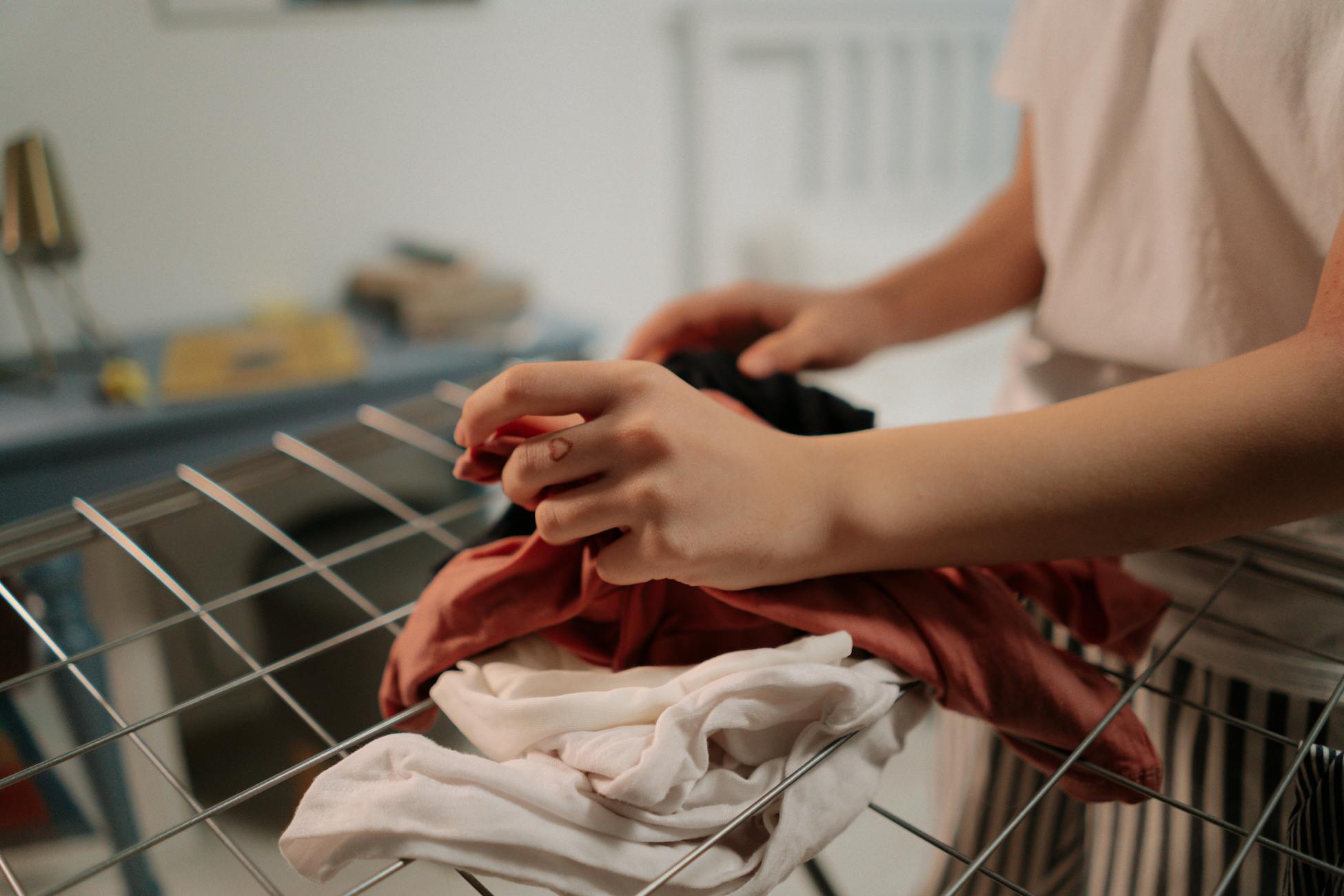
I think about this when I watch my mother with my daughter Ellie. She is patient with her in ways she wasn’t patient with herself. When Ellie wants to lie on the rug and stare at the ceiling for twenty minutes, my mother watches with something that looks almost like envy. She doesn’t interrupt. She doesn’t suggest a craft. But she also can’t join her on the rug. The rug is for children. The rug is not for women who were raised to know better.
The Children Who Inherited Both Things
My generation got a strange package from these parents. We got the explicit message — rest is good, take care of yourself, don’t make my mistakes — laid on top of the implicit message that has been running in our families since before we were born: your worth is your output. We got both. We got the lecture and the modeling, and the modeling won, because modeling almost always wins.
This is why so many of us, in our thirties and forties, sit in therapy describing the same paralysis. We know we should rest. We have the books. We have the apps. We have the verified science. And we cannot put down the laptop on a Saturday without feeling like we have done something faintly shameful. The shame doesn’t have words. It has a temperature. It feels exactly like the air in our parents’ kitchens when someone sat down too long.
The pattern is familiar: children who learned to earn their place by being easy often grow into adults who cannot consume what they have not produced. Including rest. Including time. Including the affection of our own children, which we keep trying to deserve by doing one more load of laundry instead of sitting down on the floor with them.
The lie underneath all of it — the one our grandparents passed to our parents passed to us — is that rest is something you earn. It is, structurally, the same lie that the Depression imposed on people who had no choice. We have a choice. The lie persists anyway, because it didn’t come in through reason. It came in through the air.
The Confused Parents in the Middle
The 1950s generation, now grandparents, occupies an unusual position. They were raised by people who often equated stillness with laziness. They have spent decades trying to soften that for their children and grandchildren. They genuinely want their grandchildren to have what they didn’t — permission, slowness, the ability to read on a couch without apology. But they cannot demonstrate what they cannot do.
So they perform a kind of split parenting. They tell my daughter she can stay in her pajamas all day. They tell me I look tired and should take a break. And then they spend three hours of their visit reorganizing my kitchen, because being useful is the only way they know how to say I love you and I’m here. The love is real. The grammar is borrowed.
A clinical psychologist writing about the silent struggle behind adult child "laziness" describes something many parents from this generation know intimately — the panic that rises when their adult children seem to be resting in ways they themselves never could. The panic isn’t really about the adult child. It’s about a verdict the parent is still scared of: that letting up means something is wrong with you. They watch their kids decline overtime, take real lunch breaks, refuse to answer email on weekends, and feel, underneath their stated approval, a thin alarm. What if it’s allowed? What if I lost decades to a rule that wasn’t even real?
Over on The Artful Parent’s YouTube channel, there’s a video called “Millennial Parents Were Set Up to Fail” that walks through this same paradox—how we end up passing anxiety to our kids even when we know better, even when we’re trying so hard not to. It gets at the gap between what we understand intellectually and what our nervous systems actually do.
What Modeling Actually Means
You cannot model what you don’t believe. You can only model what your body has been allowed to do. This is the trap the 1950s generation is in, and the reason their grandchildren — my children, the ones being raised by people like me — are inheriting a mixed signal too. I am trying to model rest I myself was not modeled. I do it badly. I sit down on the couch and immediately reach for my phone. I take a Saturday off and spend it organizing the email I didn’t answer Monday through Friday. Ellie watches all of this. She is two years past the age where she stopped needing language to read me.
The honest version of this work, the one my therapist has been pushing me toward for years, is that you cannot give your children the rest you did not have. You can only give them the visible labor of trying. The mother who sits down badly, who fidgets through ten minutes of stillness, who narrates out loud — I’m trying to just sit here, this is hard for me, I keep wanting to get up — is doing more for her children than the mother who pretends she’s relaxed when her shoulders are at her ears. Children believe what they see. They also believe what they see you struggling with honestly.
This is also, I think, the only honest thing to say to my mother’s generation. The work isn’t to suddenly become restful at seventy. The work is to stop pretending the restlessness is a personality trait. To name it. To say to the grandchild on the rug: I don’t know how to do what you’re doing. My mother didn’t either. I’m sorry I keep getting up.
The Quiet Rebellion of Sitting Down
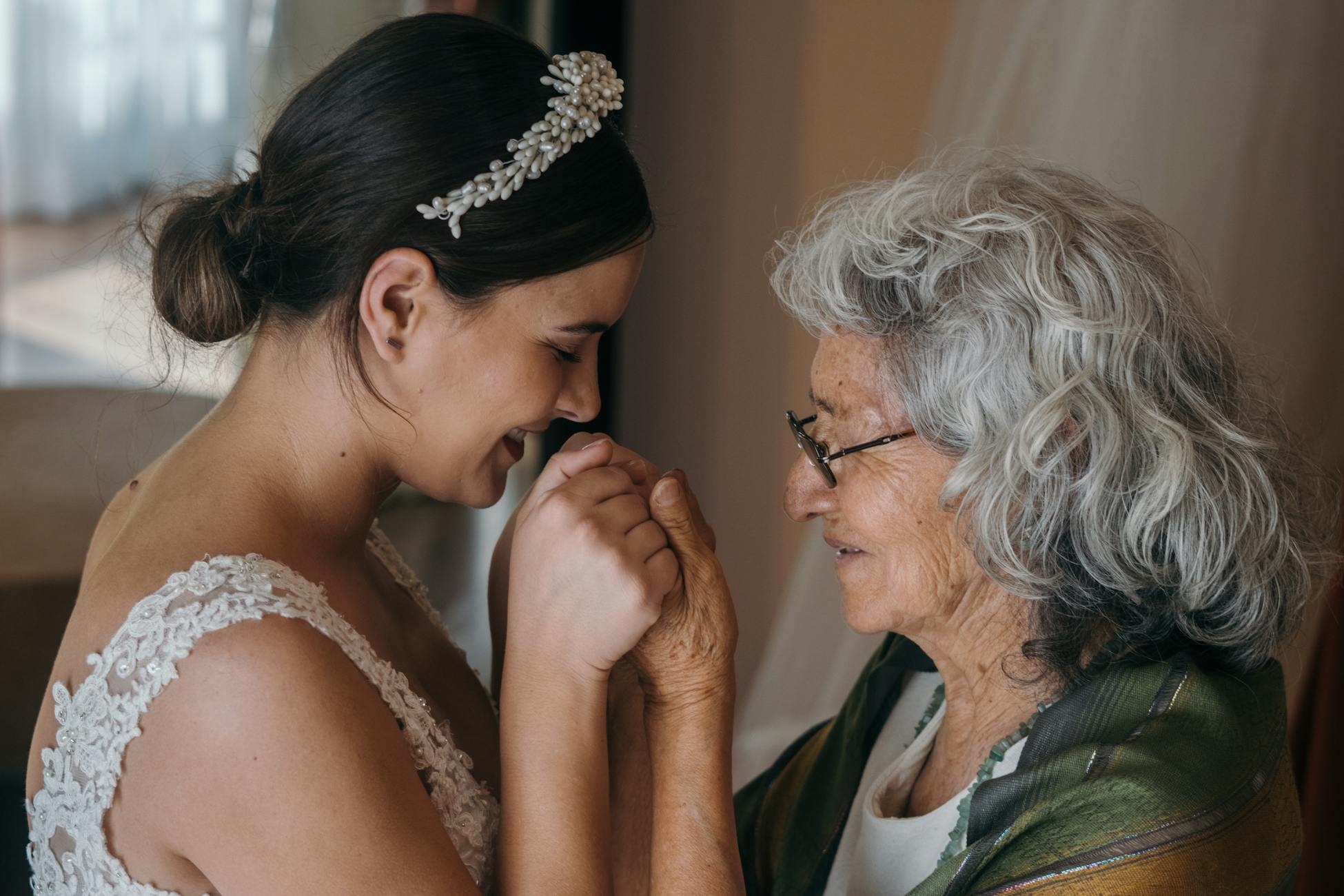
My mother visited last spring and we sat on the porch for what must have been the longest stretch of stillness she has ever permitted herself in my company — maybe twenty-five minutes. She had a cup of coffee. She did not have a notebook. At some point she said, almost to herself, your grandmother would have hated this. Then, after a pause: your grandmother would have wanted this and hated herself for wanting it.
That is the inheritance, named correctly for maybe the first time in three generations. Not I never rest. Not I don’t know how. But: someone I loved was punished for wanting this, and the punishment got into me, and I have been passing it down without meaning to.
She got up after about thirty minutes to start dinner. I let her. The point wasn’t that she stayed seated. The point was that, for the first time, she could see the chair.