

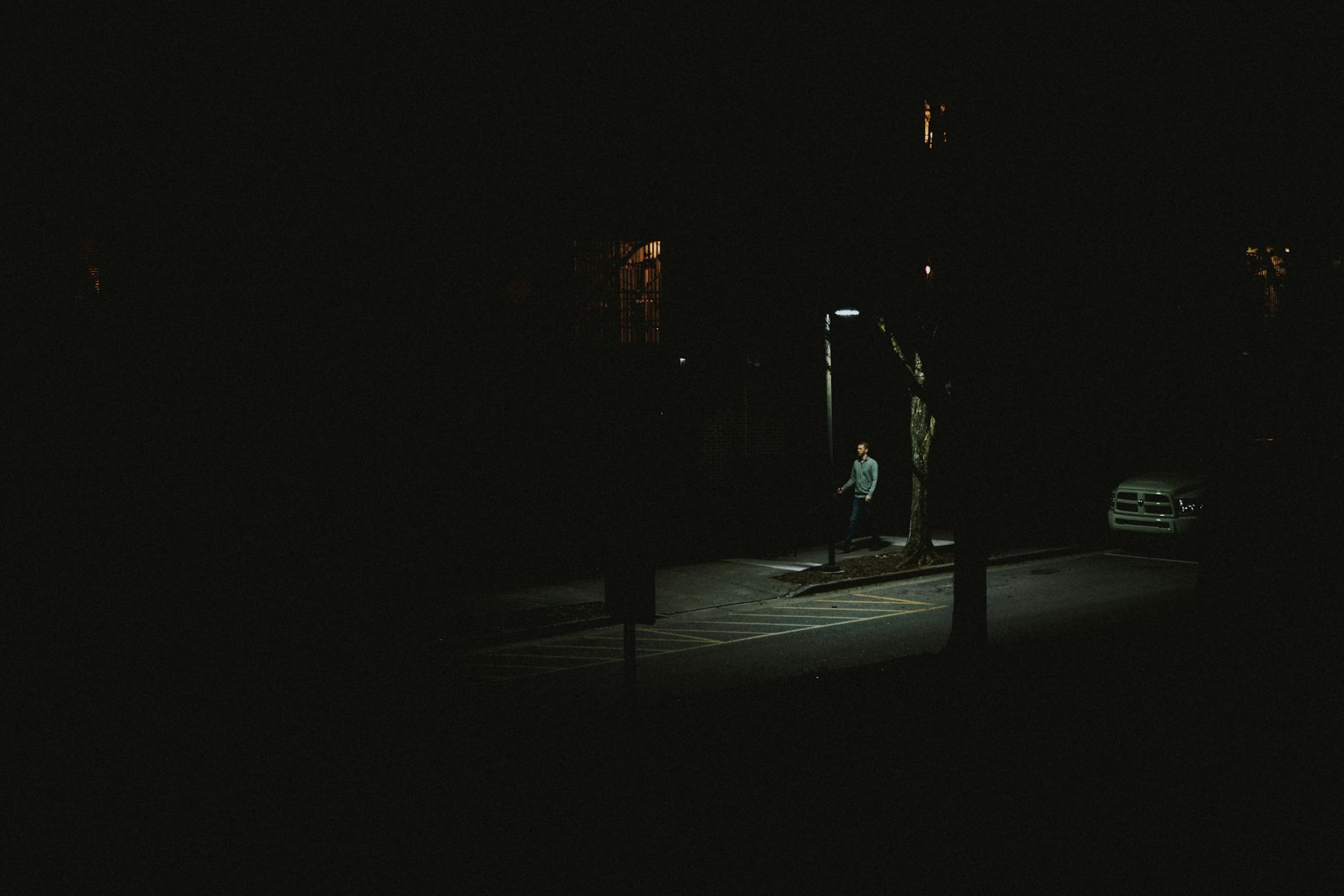
My friend Sara, who is fifty-one and childless by choice, told me something last month that I haven’t been able to stop turning over. We were standing in my kitchen while Milo pulled every magnet off the fridge and Ellie narrated an elaborate story to nobody in particular, and Sara said, very quietly, that she’d woken up at 2:47am the night before with a thought so clear it felt like someone had spoken it aloud: If I have a stroke at seventy-three, who will make sure they don’t just park me somewhere? She laughed when she said it. But her hand was tight around her coffee mug, and I noticed she didn’t drink from it.
I think about Sara’s question constantly now. Because as a parent, I carry a quiet, mostly unexamined assumption that Ellie or Milo will, someday, decades from now, be the person who advocates for me when I can no longer form the words myself. I’ve never said this aloud. I’ve barely admitted it to myself. But the assumption is there, threaded through every bedtime story and every scraped knee I bandage, like a retirement plan I never consciously opened.
Sara doesn’t have that assumption. And the space where it would go isn’t empty. It’s loud.
The 3am question nobody prepares you for
There’s something specific about nighttime worry. The daytime version of existential fear has edges, company, context. You can call a friend. You can Google “advance directive” and feel like you’re doing something. But people who struggle to turn their brains off at night know that the dark strips away all the reassuring scaffolding, and what’s left is just the question, naked and enormous.
For people without children, the question takes a very particular shape. It rarely shows up as “who will visit me at the holidays” or “who will remember my birthday.” Those are daytime worries, solvable with friendships and intention and community. The 3am version is more visceral: Who will fight for me? Who will sit in the plastic chair in the fluorescent hallway and say to the doctor, “No, you need to explain that again, because I don’t think you understand what she would want”? Who will read the look on my face when I can no longer speak and know what it means?
Sara has a will. She has a healthcare proxy. She has a friend named David listed on the form. But she told me, standing in my kitchen with the magnets crashing to the floor around Milo’s feet, that the form doesn’t touch the real fear. The form is a legal document. The fear is about being known so deeply by someone that they can translate your silence.
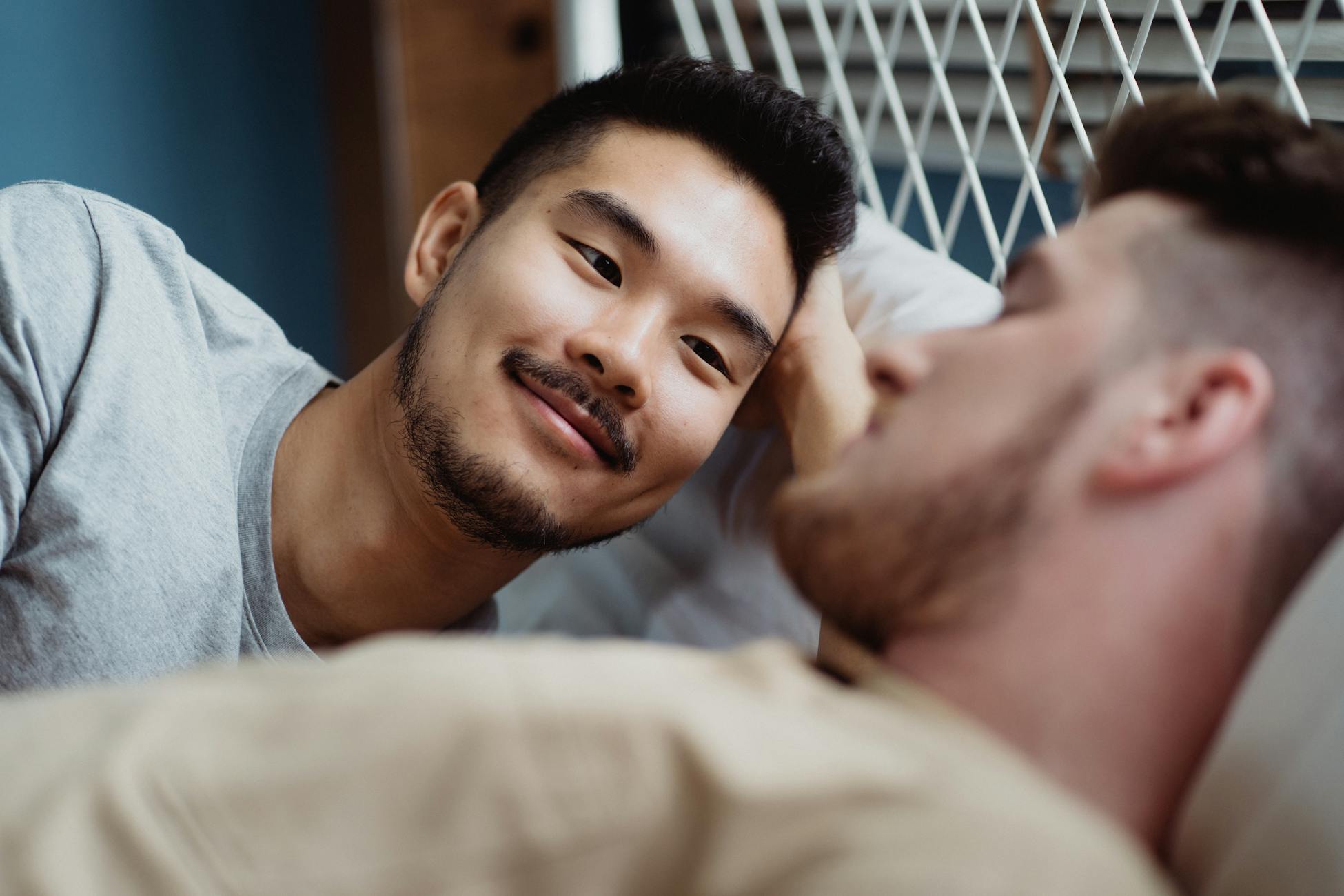
And here’s what unsettles me: I think parents assume their children will provide that depth of knowing. But children grow up. They move. They build their own kitchens with their own magnets. The assumption that biological connection equals advocacy is a story we tell ourselves because the alternative, building that bond intentionally and maintaining it across decades, requires a kind of sustained effort that most of us are too exhausted to think about clearly.
What parents assume (and what that assumption costs)
I’ve written before about the difference between being needed and being wanted, and that distinction haunts me here. Because the parental assumption that our children will advocate for us in old age is rooted in need, in the structural reality that someone has to sign the forms. But advocacy, real advocacy, the kind that happens when a nurse is about to administer a medication that would make you foggy and your person says “wait, she hates feeling foggy, can we try something else,” requires being wanted. Chosen. Known by someone who has kept updating their knowledge of you, not someone running on a twenty-year-old snapshot.
My mother Margaret raised four of us. She hosted Christmas for twenty-seven consecutive years. She kept track of every allergy, every grudge, every seating arrangement that would prevent an argument. And when I look at her now, watching Ellie skip her vegetables without a word of correction, I see someone who poured decades into being needed. Whether any of us, her four children, actually know her well enough to translate her silence in a hospital hallway? I’m not as sure as I once was.
The honest truth is that parenthood doesn’t guarantee advocacy. It guarantees obligation, maybe. Guilt, probably. But the deep, fierce, I-will-fight-the-entire-medical-system-for-you kind of advocacy? That comes from relationship quality, not biological fact. And relationship quality requires maintenance that many parent-child bonds don’t receive because both parties assume the bond is self-sustaining.
The silence Sara described
Sara used a word I keep returning to. She said the silence after the 3am question has a texture. She described it as different from loneliness, different from grief, different from the ordinary anxiety of aging. She said it feels like standing at the edge of something and realizing there is no railing, and nobody behind you knows you’re standing there.
Studies suggest that the psychological toll of feeling unseen, particularly in moments of vulnerability, creates a specific kind of distress that compounds over time. The pandemic appeared to reveal how quickly disconnection erodes our sense of safety, and for people without children, that erosion can feel less like a temporary crisis and more like a permanent architectural feature of their lives.
But Sara also said something that surprised me. She said the silence has made her more intentional about every single relationship in her life. She calls David not because a form lists his name, but because she’s actively building the kind of bond where he would know, without being told, that she’d rather be in pain than be foggy. She has dinner with her neighbor Marjorie every Thursday. She texts her college friend about nothing three times a week. She is constructing, brick by brick, the intentional web of meaning that parents assume will build itself.

And I think she might be doing it better than I am.
What this costs, and what it builds
There’s a hidden cost to the freedom that comes with not having children, and it shows up most clearly in this: the ongoing act of self-creation. Parents have a structure imposed on their time, their holidays, their decades. Children create a rhythm that, however exhausting, provides a sense of forward motion. Without that imposed structure, every meaningful connection must be generated and regenerated through conscious effort.
Sara told me she sometimes envies the thoughtlessness of my assumptions. The way I can tuck Ellie in and feel, without trying, that I am building something that will outlast me. She said she has to earn that feeling every single day, and some days she doesn’t have the energy, and those are the nights the 3am question arrives.
My therapist once told me that the things we don’t examine have more power over us than the things we do. I think parents’ unexamined assumption that our children will be our advocates is one of those powerful, hidden things. It lets us off the hook for doing the real work of building advocacy relationships, not just with our kids, but with partners, friends, siblings, neighbors. It lets us believe we’ve solved a problem that actually requires solving every day.
And I think childless people, the ones who face the 3am silence, are sometimes doing the harder and more honest version of this work. They know the railing isn’t there. So they build one.
What I’m learning from Sara’s fear
Since that conversation in my kitchen, I’ve started asking myself a question I’d never thought to ask: if Ellie and Milo weren’t in my life, who would advocate for me? Not legally, because legal documents are solvable. But relationally. Who knows me well enough right now to translate my silence?
Matt, yes. My mother, in her way, though she’d advocate based on her version of me, the version from 1996, the one who didn’t have opinions about medical care or autonomy. My friend Jess, maybe. But the honest answer is that I’ve been coasting on the assumption that my children will eventually fill that role, and I’ve been underinvesting in every other relationship because of it.
Sara’s 3am question isn’t only a childless person’s question. It belongs to anyone who’s honest enough to sit with it. The difference is that parents have a socially acceptable escape hatch (“my kids will take care of it”) that lets us avoid the discomfort. People like Sara don’t get that escape hatch. They get the ceiling at 2:47am and the sound of their own breathing and the question that has no easy answer.
I’ve been thinking about how the lessons we absorb earliest shape everything that follows, and I wonder if one of those early lessons, the one that says family is the only reliable safety net, is actually making all of us worse at building the broader, chosen, intentionally examined relationships that real advocacy requires.
Last week I called Jess. Not because I needed anything. Just to keep updating her knowledge of who I am right now. It felt small. Sara would say that’s exactly how it’s supposed to feel. That advocacy is built in the ordinary minutes, the unremarkable calls, the Thursday dinners that seem like nothing.
And that maybe the silence at 3am, the one Sara knows so well, is actually an invitation. A brutal one, an unwelcome one. But an invitation all the same: to stop assuming you’re covered, and start building, consciously and deliberately, the web that will hold you when you can no longer hold yourself.
I’m not there yet. But I’m trying. And some nights, when Milo is breathing softly in the next room and the house is quiet, I hear the edge of Sara’s question in my own chest. I don’t look away from it anymore. I think that’s the beginning of something.
