
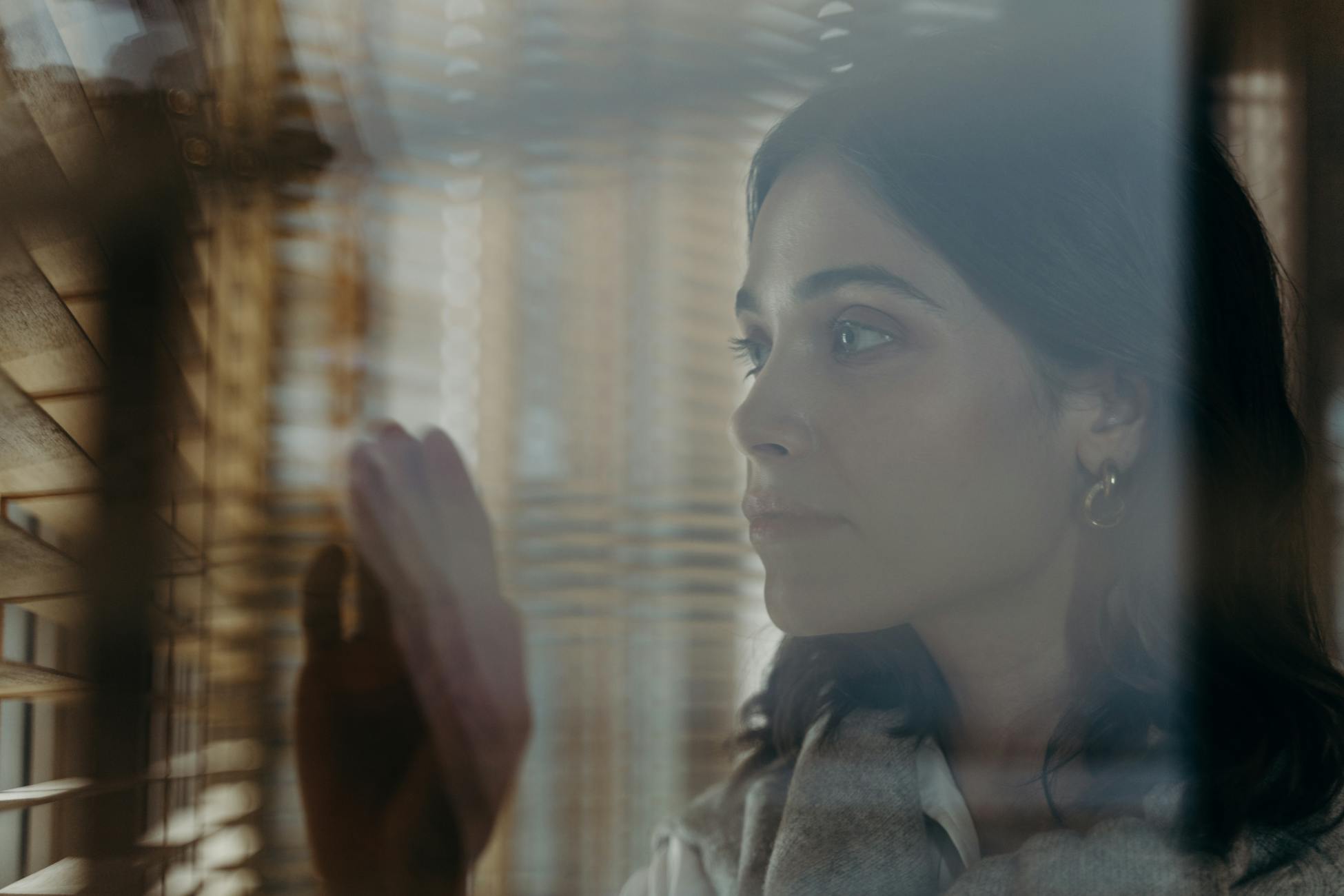
Researchers studying cognitive dissonance have spent decades documenting a particular kind of human discomfort: the low hum that rises when we encounter someone whose life choice exposes ours as a choice rather than a given. Once we commit to one path, our brains work overtime to derogate the path not taken. Which means the slightly tight smile a parent wears when a contentedly child-free friend describes their Tuesday night isn’t malice. It’s metabolism. The mind is processing information it didn’t ask to receive.
The conventional read is that parents pity their child-free friends, or worry about them, or quietly assume those friends will regret it. That framing is comforting because it’s clean. It also happens to be wrong, or at least incomplete. The more honest version, the one I keep watching play out at dinner tables and on porches and in the parking lot after preschool pickup, is closer to this: the discomfort is grief. Not for the friend. For a version of the self that was never given permission to exist.
I’ve been thinking about this since a conversation a few months ago with a friend who has chosen, very deliberately, not to have children. She lives in a small apartment with a lot of light. She travels for work. She reads in the bath on weeknights. She is not unhappy, in that performative way people sometimes are when they’re trying to convince you of a story. She is just genuinely settled in a life she designed.
The freedom that wasn’t refused — it was never offered
What struck me wasn’t her contentment. It was my own response to it: a faint, complicated pulse that took me a few days to name. It wasn’t envy exactly. It wasn’t regret. My therapist would later call it something more like the recognition of a foreclosed option. The discomfort of meeting someone who treated as a choice the thing I had treated as inevitable.
For most of my life, having children wasn’t something I decided. It was something I assumed, the way you assume you’ll eventually need a job or a dentist. The script came pre-installed. I love my daughters with a ferocity I cannot describe in a paragraph. That love and the foreclosed-option feeling are not in competition. They live in the same body. Both are true.
Children who came from chaotic or achievement-contingent households often grow up with a particular relationship to choice itself: they don’t experience their lives as a series of decisions. They experience them as a series of obligations executed competently. The question do I want this? doesn’t fully form. It gets replaced by what is expected of me? — and the expected thing is performed, often beautifully, and the performance is mistaken for desire.

Watch a person who grew up like that try to imagine a life that wasn’t on the script. There’s a flicker, then a fast subject change. We’re trained to call that maturity. It’s not. It’s a kind of deflection we learned early, when imagining ourselves outside the family’s expected trajectory felt more dangerous than just walking it.
What the survivor’s-guilt research actually tells us
There’s an adjacent finding from psychology that I think gets at this more precisely than the parent-child-free conversation usually allows. Work on survivor’s guilt describes the discomfort of having a life someone else didn’t get — but the inverse phenomenon is rarely named. There’s a quieter, less acknowledged feeling that arises when you encounter someone who has the life you didn’t get, not because it was taken from you, but because you never asked for it. This feeling — counterfactual mourning, or simply the hum — captures that experience.
The hum is what makes the easygoing child-free friend so destabilizing to be around. Not because she’s smug. Not because she’s secretly miserable. Because her existence proves something the parent’s nervous system spent thirty years not knowing: you could have chosen. The choice was always there. You just didn’t see it as a choice.
This is where a recent reflection I came across becomes relevant. After being single for fifteen years, the author started a serious relationship — and what he describes in the video below isn’t the cliché you’d expect. He talks about a fear that being in a relationship would erase the part of him that felt most essentially his: the drive, the creativity, the willingness to live outside his comfort zone across multiple countries over twenty years. The whole architecture of a self he’d built precisely because the conventional path hadn’t claimed him.
What’s striking about this framing is that it names something most people don’t articulate from inside the script: the fear that following one path closes the door on the version of yourself the other path was building. He had fifteen years of unstructured solitude that became, over time, not just a circumstance but a self. And the question he sat with — will choosing this relationship cost me the person I became without one? — is the same question, in inverse form, that quietly haunts the parent at the table with the child-free friend.
The mirror nobody asked for
The parent looks across the table and sees, in the friend, the person they might have become if they had ever experienced their life as authored rather than assigned. The friend isn’t a threat. The friend is a mirror. And the discomfort isn’t disapproval — it’s the dissonance of two beliefs trying to occupy the same nervous system at the same time: I love my life and I never chose it. Both can be true. Most of us were never taught to hold both.
The escape valves are predictable. The parent makes a small joke about how the friend will change her mind. Or recasts the friend’s life as lonely, or selfish, or arrested. Or — more generously but no less defensively — performs an exaggerated celebration of parenthood that sounds, if you listen carefully, more like reassurance than joy. These responses aren’t about the friend. They’re about closing the dissonance loop as quickly as possible. The hum is unbearable. The brain wants it gone.
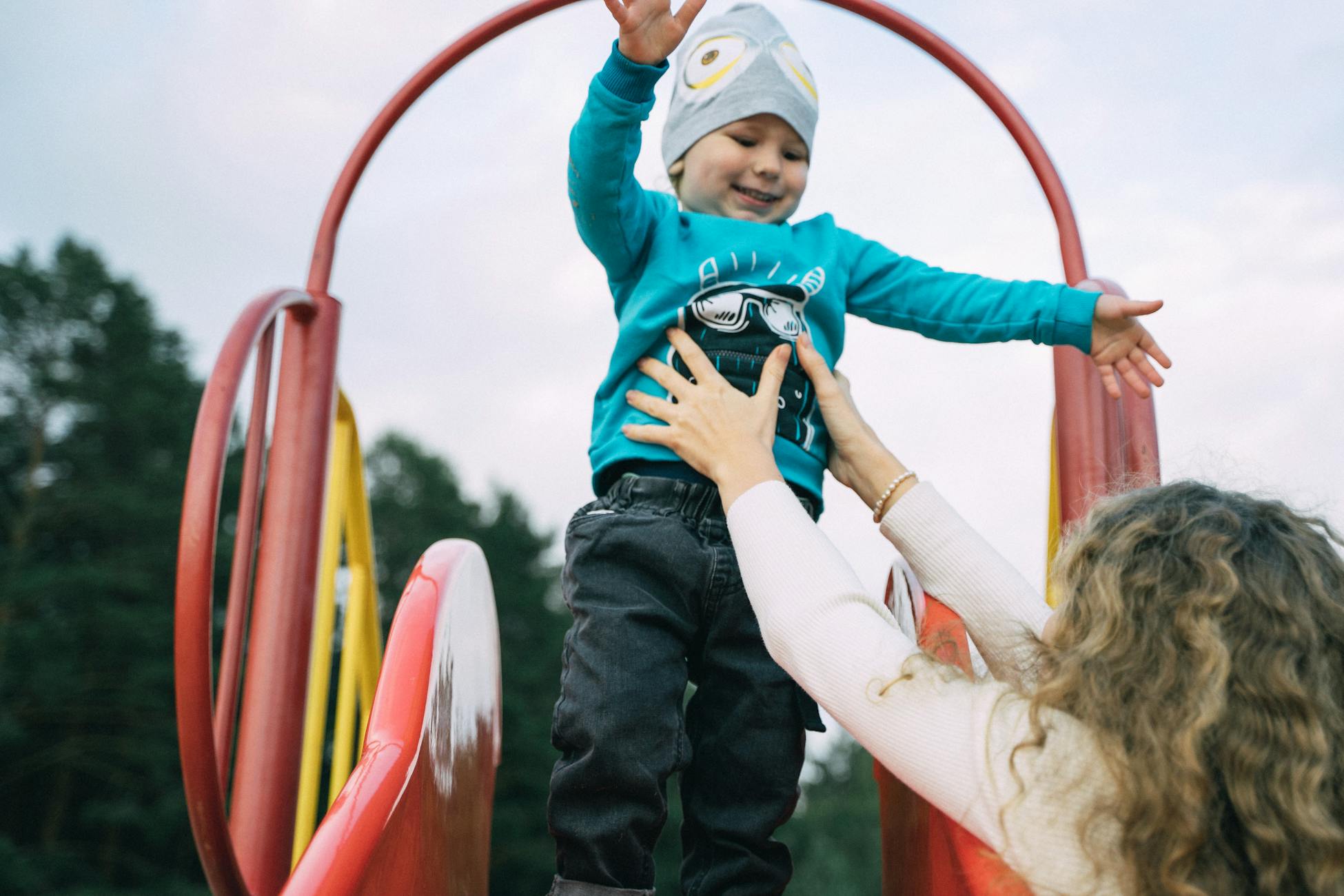
What’s quietly remarkable about people who can sit with their child-free friends without flinching is that they’ve usually examined their own life as a chosen thing rather than an inherited one. They’ve gone back through the script and asked, line by line, did I want this, or did I just not know I could decline it? And — this is the part that matters — they’ve often arrived at yes, I wanted it, but with eyes open rather than closed. The yes is real. It just no longer pretends it was the only option.
The version of yourself you didn’t audition
I think a lot about what the video describes about the fear of losing that drive — that thing that made him feel alive, that gave him a reason for being. For fifteen years, that fear shaped every relationship he shut down before it could deepen. The fear was protecting something real. But it was also, by his own admission, foreclosing other real things he might have wanted.
That’s the trade most of us never let ourselves examine. Every life is a foreclosure of other lives. The single person forecloses the version of themselves that builds a family. The parent forecloses the version of themselves that lives alone in a small apartment with a lot of light. Neither path is more authentic than the other. What’s authentic is whether you knew you were choosing.
The parents I know who feel the most peace around their contentedly child-free friends are not the ones with the easiest parenting experience. They’re the ones who have, somewhere along the way, sat with the version of themselves that didn’t take the script — and grieved her, and thanked her, and let her go. Not as regret. As acknowledgment. The road not taken doesn’t disappear because you didn’t take it. It runs alongside the one you’re on, visible mostly in the moments when someone else is walking it past you.
The friend at the table isn’t asking the parent to defend their life. She’s just living hers. And the discomfort the parent feels — that quiet, complicated hum — is information. It’s the part of the self that never got to vote, raising its hand at the back of the room, asking to be seen. Not so that anything has to change. Just so that the choice, finally, becomes a choice.
The most generous thing a parent can do, in that moment, is not to look away. Not to recast the friend as cautionary tale. Not to perform a happiness that isn’t being challenged in the first place. The most generous thing is to let the hum exist long enough to hear what it’s actually saying — which is usually some version of there were other lives. I didn’t have to know about all of them. But I’m allowed to know about this one now.
And then, often, you go home. You read your kids a book. You love them with the ferocity that is not in competition with anything. The hum quiets. But it doesn’t disappear, because it isn’t supposed to. It’s just the sound of a life finally being held as authored — by you, with whatever incomplete information you had — instead of inherited.
That’s the work. The friend wasn’t the problem. The friend was the doorway. What you do with the door is your own.
