

Have you noticed it too? The quiet, I mean.
When I was growing up, the street I lived on was noisy. Not car-noisy, kid-noisy. There was always someone yelling from a garden or riding past on a bike. Someone was building something out of mud at the end of the road. Someone was falling out of a tree. Someone had scraped a knee and was crying loud enough for the whole street to hear. The soundtrack of an ordinary summer afternoon was a chaotic mix of children being children, mostly out of adult sight, mostly making it up as they went.
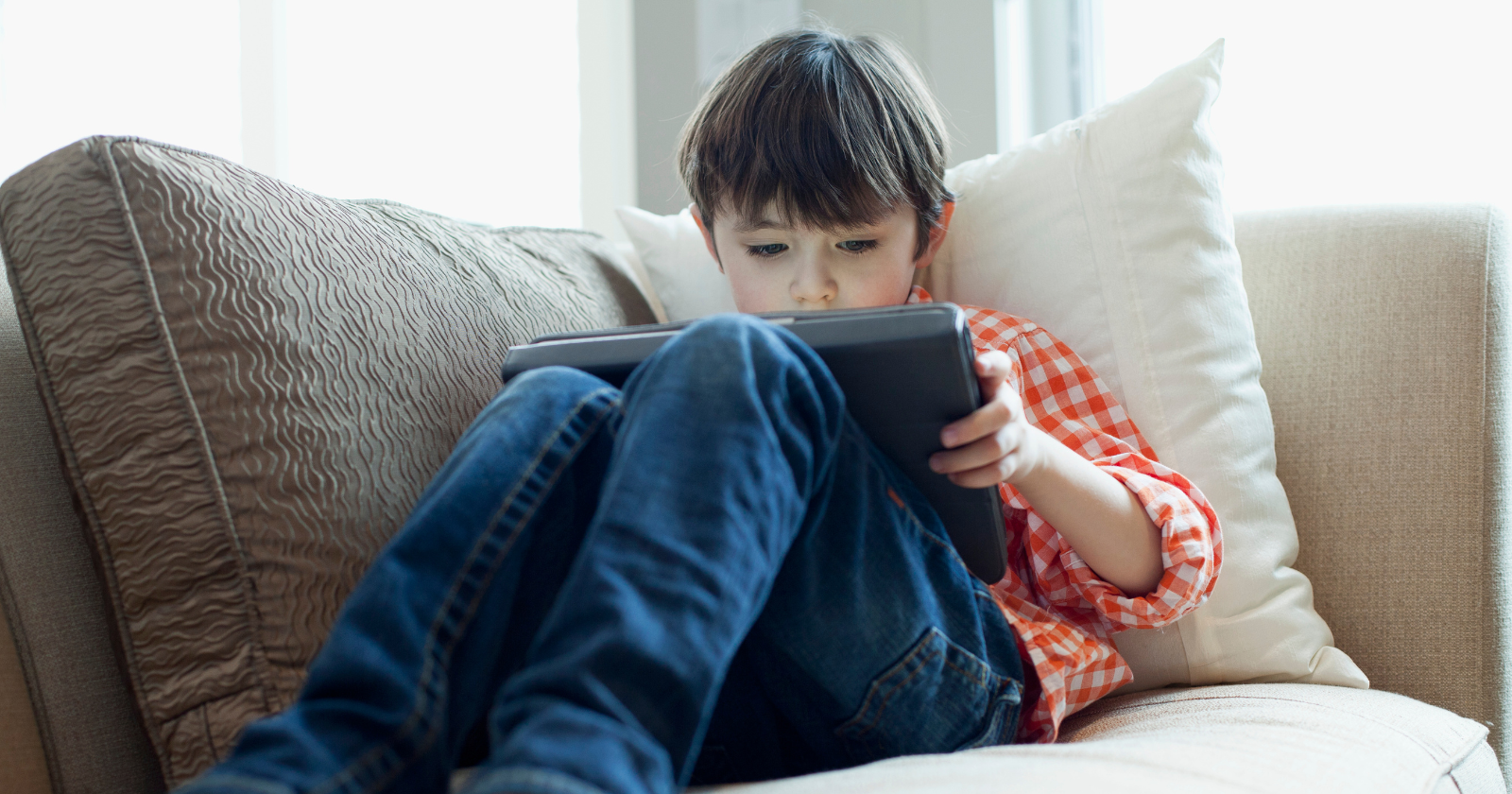
I walk down streets now, in the summer, and there’s just… nothing. Curtains half drawn. Cars in driveways. A kind of eerie stillness where the running-around noise used to be. The children haven’t disappeared. They’re inside, mostly. Or in structured activities, driven from lesson to practice to appointment. And a growing body of research suggests this is one of the most significant, and most quietly harmful, changes to childhood in the last fifty years.
The Artful Parent
Family-life ideas and sharp reads, in your inbox.
To be clear, I’m not talking about kids screaming and running around at football practice, or in a supervised playground, or on a family day out. Those still exist, thank goodness. I’m talking about something different. The specific kind of noisy, unsupervised, no-adult-in-charge play that used to fill the gaps between school and dinner. The kind where children negotiated their own rules, resolved their own arguments, invented their own games, and figured out on their own what to do when they were bored.
That kind of play has been quietly disappearing for decades. And what it’s been replaced with doesn’t seem to be filling the same role.
What the research is saying
The person who has done more than anyone else to track this is Peter Gray, a research professor at Boston College who has spent decades studying children’s play. In a 2023 paper in the Journal of Pediatrics, Gray and his co-authors laid out what they consider one of the primary causes of the well-documented mental health crisis in children and adolescents. And it isn’t what most people first reach for. It isn’t social media on its own, or academic pressure on its own, or the pandemic. Or at least, it isn’t only those things.
According to Gray and his colleagues, a primary cause of the rise in mental disorders in young people is “a decline over decades in opportunities for children and teens to play, roam, and engage in other activities independent of direct oversight and control by adults.” The word to notice there is independent. Not just play. Independent play. The kind where the adults aren’t hovering.
I also came across a video which, interestingly, talks about why the tech elite consciously aren’t giving their kids technology. There’s a reason for it, and it dives into the more sinister side of this discussion.
What kids used to do, and mostly don’t now
The children of the 1970s, 1980s, and even into the 1990s spent enormous amounts of their non-school time completely out of adult supervision. In a 2011 paper in the American Journal of Play, Gray traced the specific things children were doing during those hours. They were negotiating with other children. Testing physical risks. Inventing games with rules they made up themselves. And, crucially, being bored and figuring out what to do with the boredom. All of this was happening without a parent watching. Without a coach. Without an app. Without a scheduled activity.
Now let me be honest here. It wasn’t all magical. Some of it was properly awful. Kids got hurt. Kids were sometimes cruel to each other. Some children were bullied and had nowhere to escape to. The old free-range childhood is often remembered with rose-tinted glasses, and we shouldn’t pretend it was perfect.
But it did do something very specific, and that something turns out to matter. It gave children thousands of hours of practice at being in charge of themselves. Managing risk. Negotiating with people. Getting bored and finding a way out of it. And, on the research, that specific bundle of skills is what many children today simply aren’t developing at the same rate.
A quick note before we go further
Everything I’m writing here isn’t a judgement of any specific parent, or a suggestion that safety concerns aren’t real. Parents today are working with genuinely different conditions than parents in the 1970s were. Traffic. Development. Cultural anxieties. Legal expectations of what appropriate supervision looks like. It isn’t that parents today are worse. It’s that the whole system has shifted.
This piece is about a genuine loss that shows up in the research, not a shame-fest for individual families. If you’re a parent reading this and quietly wondering if you should be doing something differently, the honest answer is that you probably already know your specific situation better than any general piece could tell you. This isn’t a diagnosis of anyone’s household. It’s a description of a broader cultural change.
What the loss actually looks like
What Gray and other researchers keep finding is that independent play is where children develop something called an internal locus of control. In plain English, this is the sense that you have some real influence over what happens to you, that you can act on the world and make things happen. Children who grow up believing they can solve their own problems tend to be less anxious. Children who don’t develop this sense tend to be more anxious, more depressed, and more prone to feeling helpless when things go wrong. And clinical questionnaires used over the last several decades show a decline in children’s locus of control that closely tracks the decline in unsupervised play.
In an interview with the Harvard EdCast in 2024, Gray put it more plainly. “We are so overprotecting children, because we are so always there to solve their problems for them, they’re not developing the sense that they can solve their own problem.” The problem-solving skills aren’t disappearing because children can’t learn them. They’re disappearing because the moments in which children used to practise them are being filled with something else.
What’s actually replaced it
Screens, obviously. But also structured activities, homework, tutoring, driving to sports, and, more subtly, adult supervision of what used to be children’s own time. The average child today spends significantly more hours on entertainment screens than any generation before them, and significantly fewer hours in unstructured outdoor play. The swap isn’t neutral. Screens and structured activities aren’t the same category of thing as independent play. They give children different experiences. They build different skills.
The specific problem with screens isn’t that they’re inherently evil. It’s that they don’t require the child to figure anything out. The story is decided by someone else. The rules are decided by someone else. The pacing is decided by someone else. The child is receiving stimulation rather than generating it. And over thousands of hours, that difference adds up in ways researchers are only starting to properly measure.
What might help
I’m going to be careful not to be prescriptive here, because I don’t think parenting advice from someone who doesn’t know your specific family is worth much. But the research seems to point at a few things that are worth considering.
Give children more unstructured time than feels natural, even if they complain about being bored. Especially if they complain about being bored.
Let them go outside more, and don’t watch every second of what they’re doing. Trust them a little. They can handle more than the current culture assumes.
Reduce the number of activities on the weekly calendar. Not because activities are bad, but because a child with three scheduled lessons a week has much less time to invent something with a stick and a chalk drawing than a child with none.
Resist the urge to solve their problems for them. Not in a cold way. Just in a “you’ll figure this out” kind of way. Because most of the time, they will.
The children the research is worried about aren’t loud, and they’re not obviously unhappy. That’s the specific quiet the title is pointing at. They’re the children who don’t quite know what to do with a Saturday afternoon that isn’t scheduled. Who reach for a screen when the boredom starts. Who ask for adults to sort out things they could sort out for themselves. Who haven’t, in most cases, had enough hours of unstructured, unsupervised, chaotic outdoor play to trust their own instincts about the world.
The loss is quieter than most of the crises we hear about. It doesn’t make headlines the way social media does. But on the research, it may be one of the more consequential shifts of the last fifty years.
And unlike most cultural shifts, this one is at least partly reversible.
One garden gate. One bored afternoon. One trusted “you figure it out” at a time.