

If you were the child who took care of everyone else’s feelings growing up, psychology says you’re probably still doing it — and these 7 things explain why
You’ve mastered the art of reading every room and soothing every soul since childhood, but that exhausting superpower you never asked for is still running your life—and science knows exactly why you can’t turn it off.

7 things parents said without thinking that their adult children remember as the most important sentence of their childhood
Parents often have no idea that their most casual, unplanned comments—muttered while rushing through dinner or driving to school—become the defining sentences their children replay in their minds for the next 30 years.

There’s a bond between a child and a dog that adults call cute but the child experiences as the most uncomplicated love they’ve ever known — and losing that animal is often their first real encounter with the permanence of gone
When that old dog finally stops greeting them at the door, our children discover that love and loss are two sides of the same coin—and nothing we say can prepare them for how much it will hurt.
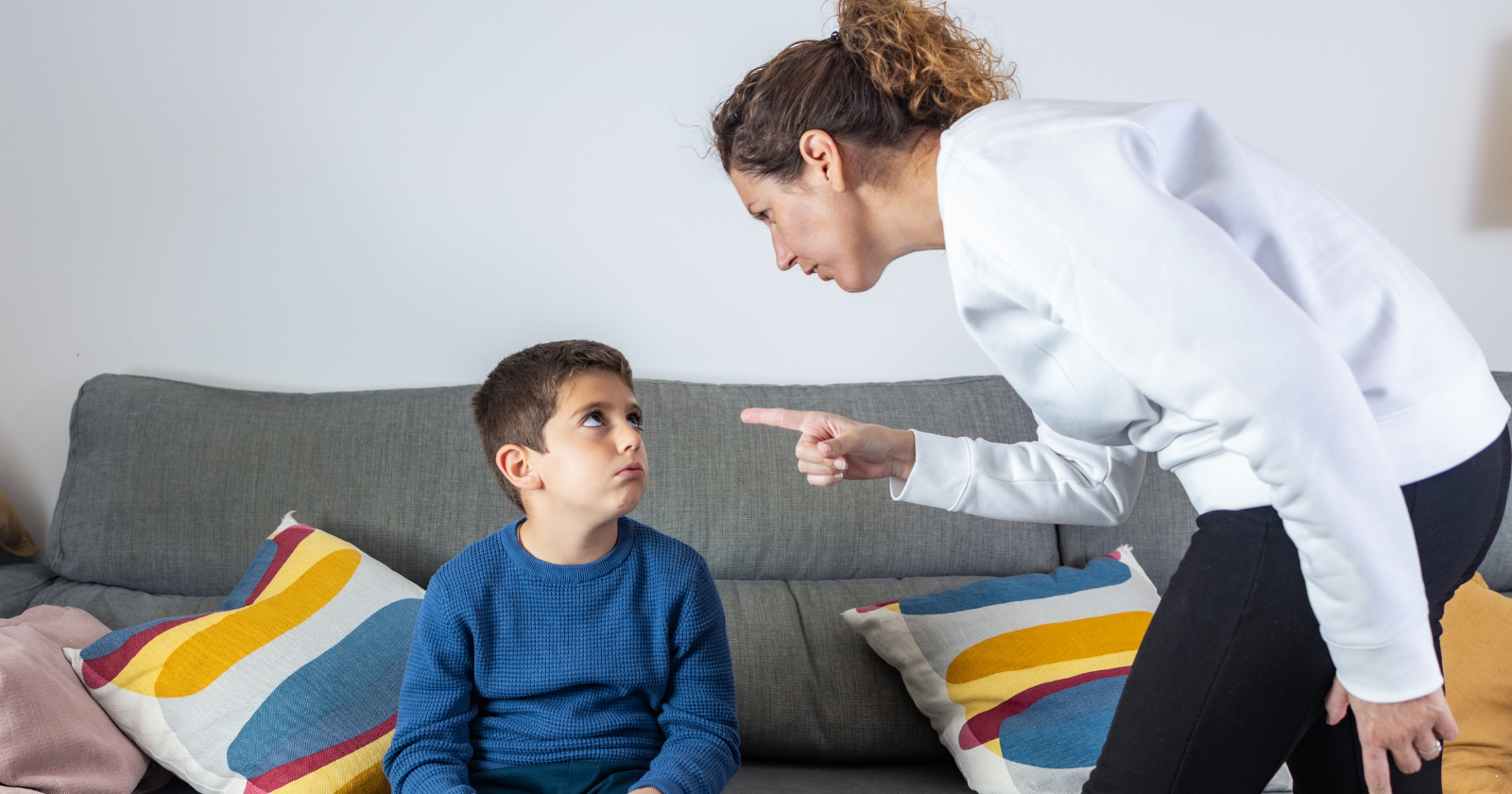
The punishment your child remembers 20 years later isn’t the grounding or the lost screen time — it’s the look on your face when you were disappointed in them and they didn’t understand why
A mother’s realization that her five-year-old daughter might carry the weight of that disappointed look for decades sends her searching through her own childhood wounds to find a better way forward.

Psychology says adult children who stop visiting their parents aren’t being neglectful — they’re often protecting an emotional bandwidth that was depleted long before they ever left home
When adult children rarely call or visit, it’s not about being ungrateful—it’s often the result of spending their entire childhood managing their parents’ emotions, leaving them with barely enough energy to manage their own lives as adults.

The parents whose adult children call every week aren’t necessarily the ones who gave the most — they’re usually the ones who made it safe to be honest about small things before the big things ever had a chance to pile up
While some parents compete over who can give their children the most activities and advantages, the ones whose kids actually stay close are those who mastered something simpler yet infinitely harder: making it safe to share about spilled juice and bad dreams long before life’s real challenges arrived.

Psychology says the generational clash between boomers and millennials isn’t really about politics or work ethic — it’s two groups of people who are both exhausted and neither one feels seen by the other
The real reason your parents don’t understand your life choices—and why their confusion hurts more than you want to admit—has nothing to do with politics or generational stereotypes, and everything to do with a shared exhaustion neither of you knows how to name.
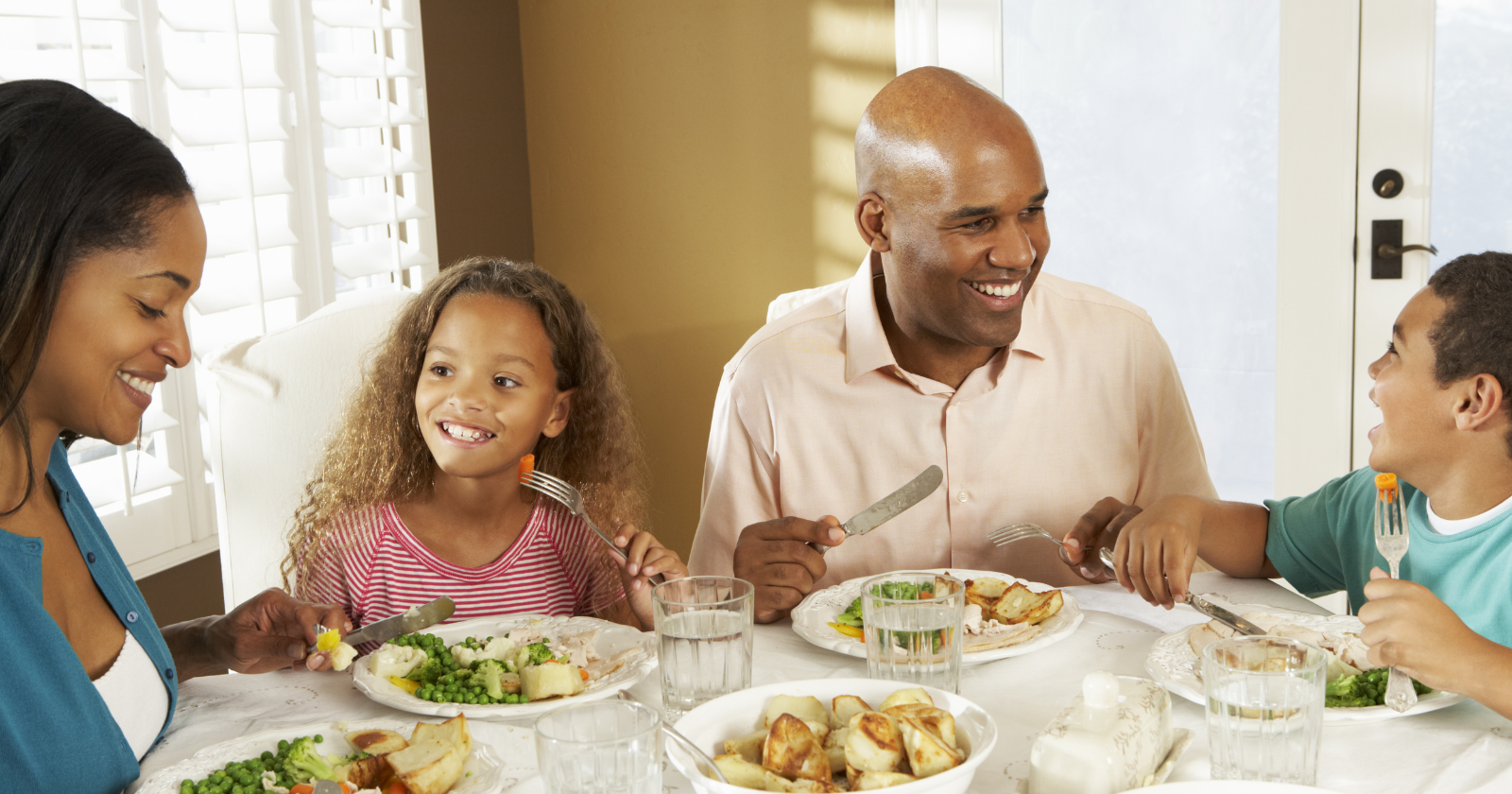
8 things children learn at the dinner table that have nothing to do with food — and everything to do with how they’ll behave in every room they enter for the rest of their life
Watch a five-year-old navigate dinner table dynamics tonight and you’ll see exactly who they’ll become in boardrooms, friendships, and marriages twenty years from now — because the skills that matter most in life have nothing to do with using the right fork.

I worked my whole life by rules that genuinely worked for me and I cannot understand why those same rules feel like a personal attack to my children
Despite following the same work principles that built her successful 30-year HR career and stable family life, she’s discovering her well-intentioned guidance feels like judgment to her adult children navigating a completely transformed workplace reality.

Psychology says the boomer tendency to give unsolicited advice to adult children isn’t controlling behavior — it’s the only love language they were ever taught
While younger generations interpret their parents’ constant suggestions as criticism and control, this behavior reveals a heartbreaking truth about how an entire generation was taught that being useful was the only acceptable way to show love.

My kids think I’m out of touch and my grandkids think I’m irrelevant and the hardest part isn’t the loneliness — it’s that I remember when my opinion was the one that mattered most in this house
Once the person whose word shaped every decision in this house, I now watch my family’s conversations flow around me like I’m a piece of furniture they’ve grown too familiar with to notice.
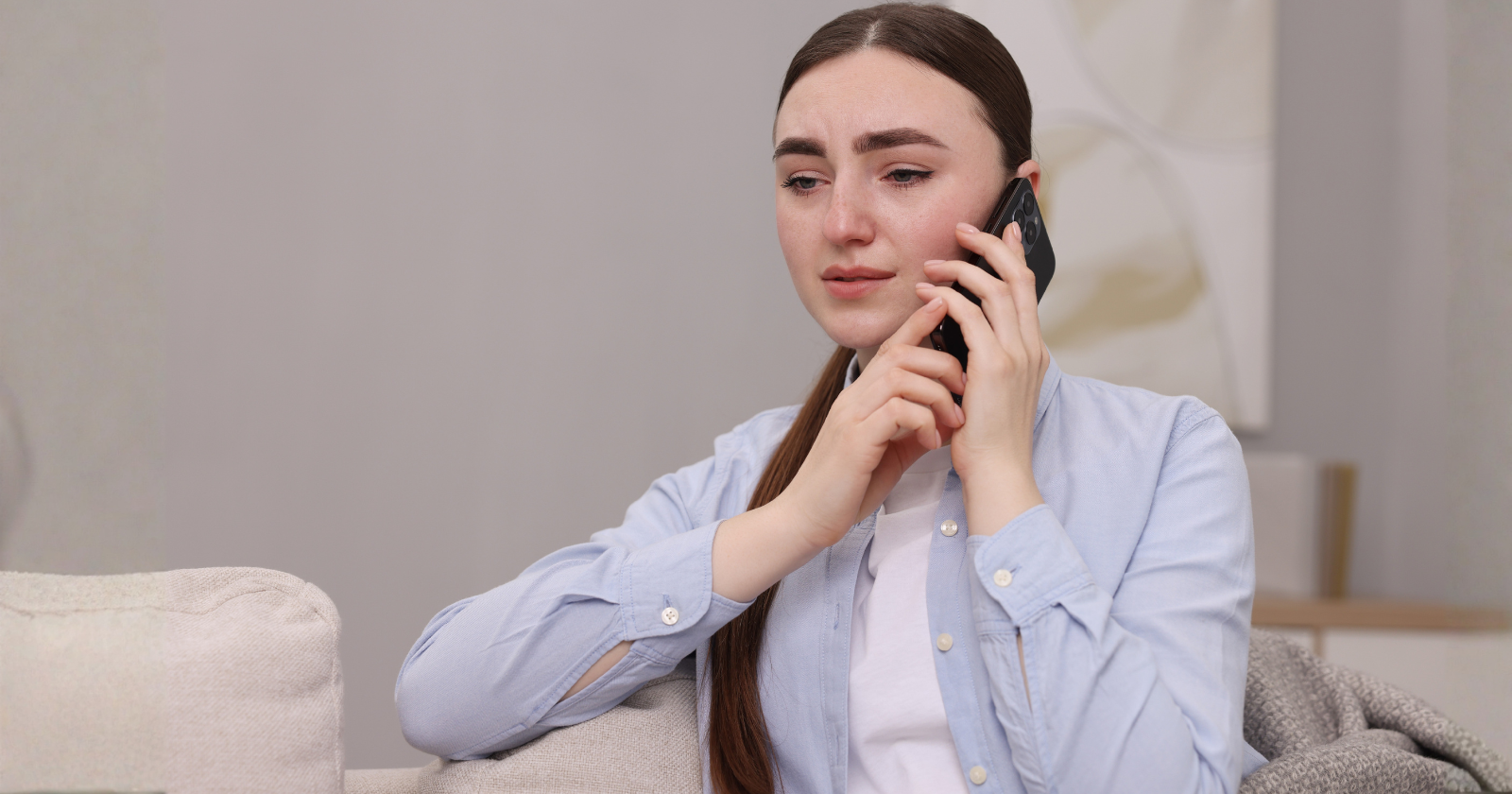
Psychology says the parent a grown child calls first when something goes wrong is almost never the parent who tried the hardest — it’s the one who did these 7 things
The parent who sacrificed everything, lost sleep over homework battles, and devoted their entire existence to their children often discovers a painful truth decades later — they’re the last person their grown child calls in a crisis.