Research suggests children raised by emotionally generous but boundary-less parents often become adults who are deeply competent at caring for others and strangely unable to ask for anything themselves
There’s a specific kind of childhood that doesn’t look like trauma from the outside. In fact, it looks like the opposite. The house was warm.

I grew up with a difficult father and spent my whole adult life trying to earn something from him that he wasn’t capable of giving — and the understanding, when it finally arrived, did not bring relief, it brought grief, the specific grief of realizing that what I had been reaching for was never going to be there, and had never been there, and I had been the last to know
After decades of chasing my father’s approval through every promotion and milestone, I finally understood at his graveside that he’d been giving me all the love he had—it just wasn’t very much—and that realization brought not relief, but the devastating grief of discovering I’d been the last to know what everyone else could see.

My daughter and I went three years without speaking and the silence was the most honest thing our relationship had ever produced — it said what all the arguing never could, which was that something real was broken and we were both finally admitting it needed to be
The day I received that simple text—”I miss you”—after three years of complete silence from my son, I realized our relationship had needed to shatter completely before either of us could see what was worth saving.

The loneliest people in most families aren’t the ones who live alone. They’re the ones who show up to every gathering, help clean up, drive the longest distance, and leave without anyone once asking them a question that isn’t about logistics.
The family member everyone counts on but nobody thinks to check on is performing a role so familiar it has become invisible, even to them.

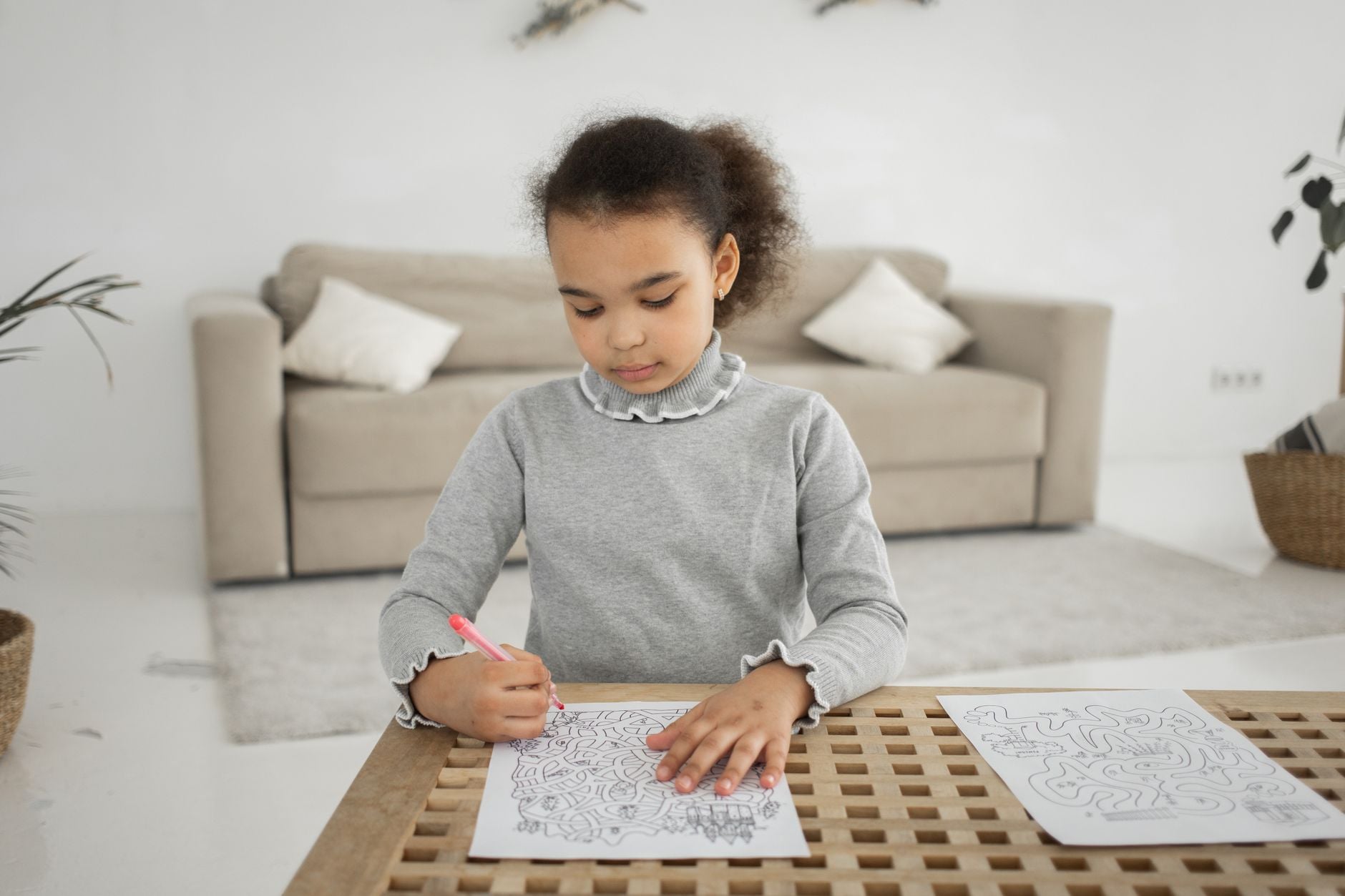
Children who grew up doing art projects with a parent at the kitchen table develop a specific relationship to failure as adults — they learned that making something imperfect was safer than making nothing at all
The kitchen table was never about making something beautiful — it was about learning that the world doesn’t end when the colors bleed together.

I grew up in a home full of warmth and routines and a father who provided everything except the one thing I actually needed, and I didn’t understand what was missing until I watched my own daughter’s face light up when her dad sat on the floor and just listened
Here’s something I haven’t shared before. I grew up in a small Midwest town with parents who did their best. There was dinner on the

There is a specific kind of grief that belongs to adults whose parents are still alive but no longer remember them clearly, and our culture has almost no language for it because the person you’re mourning is still in the room
My mother is alive, sitting across from me at her kitchen table, and I am grieving her so completely that some days I forget she hasn’t died.

There’s a specific kind of loneliness that only arrives after you’ve been competent and dependable for so long that people forgot you were also a person. You became a function. And functions don’t get invited to sit down and be asked how they’re doing
The people most likely to be forgotten in a room are the ones everyone already counted on to hold it together.

Psychology suggests the parents whose adult children call without a reason — just to talk, just to hear a voice — didn’t do anything special, they did one thing consistently, which was to make their child feel that being themselves in that parent’s presence was safe, and safe is not dramatic, it is just the one thing that determines everything
Discover why some parents receive those precious “just because” calls from their adult children while others don’t—and why the secret isn’t found in parenting books or grand gestures, but in the accumulation of mundane moments most of us overlook.

My son told me last year, calmly and without blame, that he had spent his childhood feeling like he had to earn my full attention — and I wanted to defend myself and I didn’t, and I have been sitting with what he said ever since, and the sitting is the most useful thing I have done as his father in twenty years
A father discovers that decades of being “present” at every game and school event meant nothing when his adult son reveals he spent his entire childhood strategizing the perfect moments to earn his dad’s full attention.

Psychology says a child’s relationship with a parent in adulthood is almost entirely determined not by what the parent did in the dramatic moments but by what they did in the ordinary ones — the daily quality of attention, the tone of a thousand unremarkable exchanges, the feeling the child carried out of every room the parent was also in
The accumulated weight of how you respond to spilled juice, bedtime interruptions, and the hundredth “why” question is secretly writing the entire future of your relationship with your child—and science finally explains why these forgettable moments matter more than the memorable ones.

I loved my children more than anything and showed it in all the wrong ways — in the providing and the fixing and the solving — and the ways I didn’t show it were the ones that mattered most to them, and I understood that too late and I am understanding it still
A father’s thirty-year career in HR made him an expert problem-solver at work, but it took losing precious time with his children to realize that his relentless fixing and providing was drowning out what they needed most — for him to simply listen, be present, and love them as they were, not as the projects he tried to perfect.