

10 things that happened at every boomer family gathering in the 1970s and 80s that would horrify a modern parenting expert — and the one nobody mentions is that the kids were completely ignored by the adults for hours at a time, and that benign neglect built a level of resourcefulness that structured activities have never been able to replicate
From lawn darts to unlocked bathroom doors, those chaotic family gatherings were a masterclass in survival that today’s helicopter parents would find horrifying — but while we joke about the mayo-based food poisoning roulette and secondhand smoke, we rarely talk about how those unsupervised hours forged a generation of problem-solvers who could entertain themselves with nothing but a stick and their imagination.

7 things people who grew up as the “easy child” in a chaotic family carry into adulthood — and the reason they struggle to express needs in adult relationships is that they learned before age ten that being low-maintenance was the price of being loved
While your siblings’ chaos consumed all the oxygen in the room, you learned to survive on the emotional scraps left behind—and now you’re suffocating in relationships where you still can’t bring yourself to ask for air.

I spent 30 years watching my children grow up and the single biggest mistake I made as a father wasn’t about discipline or rules — it was assuming that being in the room was the same thing as being present
A father discovers the heartbreaking truth while sitting with his adult son: for three decades, he confused occupying the same room with his children for actually connecting with them, and now he’s racing to understand what real presence means before it’s too late with his grandchildren.
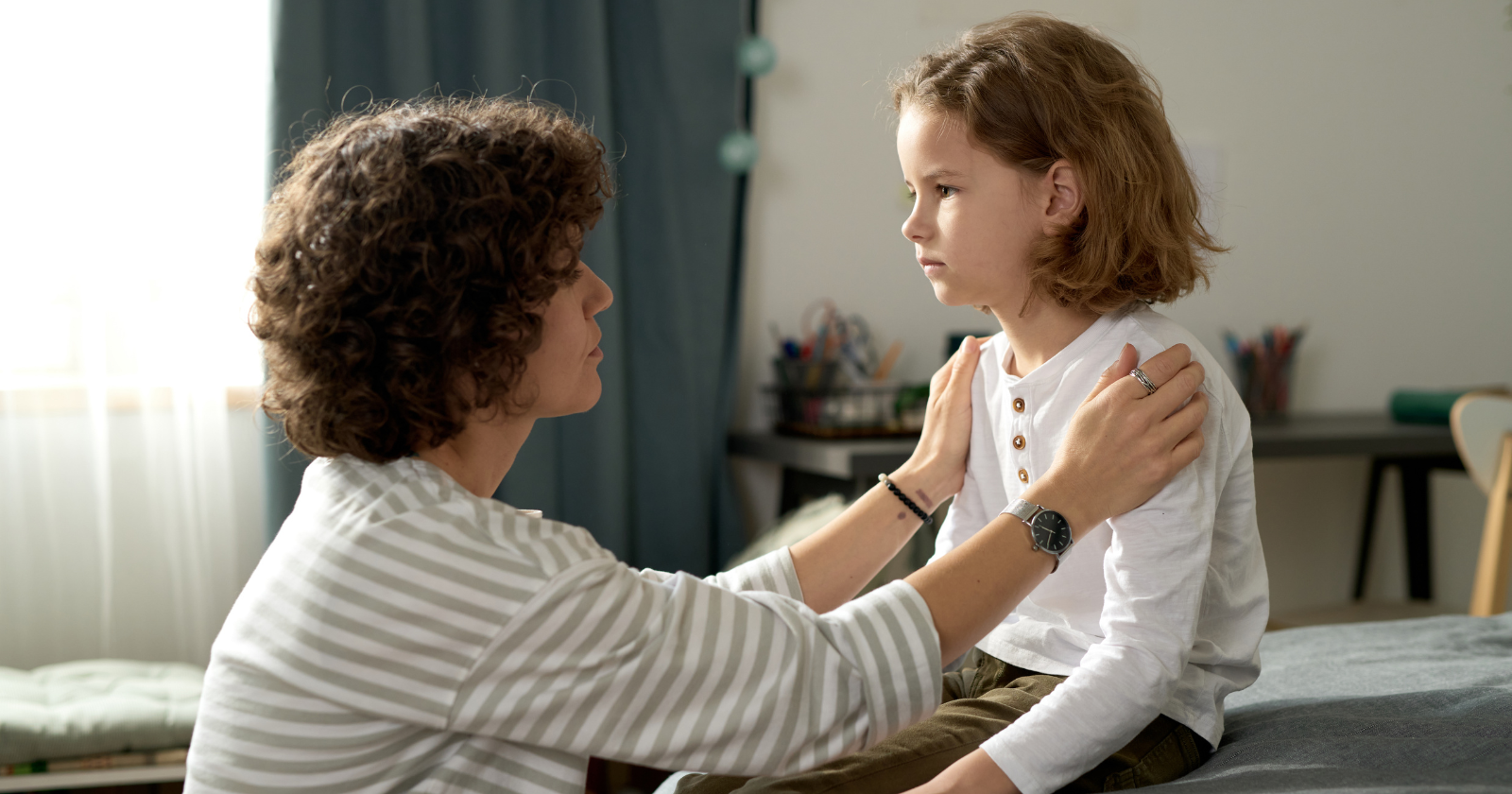
Children who were praised for being smart but punished for acting smart — told they were gifted but also ‘showing off’ — often develop these 10 contradictory beliefs about their own worth as adults
These childhood mixed messages about intelligence create adults who simultaneously crave recognition while apologizing for their achievements, leaving them trapped between the exhausting extremes of feeling both exceptional and never good enough.

The question my 5-year-old asked me in the grocery store that made me rethink everything I thought I knew about how children process big emotions — and it was only four words
Standing frozen in the cereal aisle as another child melted down nearby, my daughter turned to me with trembling lips and revealed just how deeply children internalize the emotions they witness around them.

There’s a moment after every divorce where the child realizes they now have two different versions of normal — and the way each parent handles that transition determines everything that follows
When your eight-year-old returns from their other parent’s house and casually mentions the completely different rules they live by there, you’ll discover that your next words will either create a bridge between their two worlds or force them to choose sides for the rest of their lives.

8 things parenthood broke in you that you didn’t realize were broken until your child was grown — and most of them needed to break
Discover why the parts of yourself that parenthood slowly dismantled—your perfectionism, your need for control, your carefully constructed identity—were actually the very things holding you back from becoming who you were meant to be.

Psychology says parents who enforced firm boundaries without lengthy explanations weren’t being authoritarian. They were building something modern parenting often struggles to replicate: an internal structure that doesn’t depend on external motivation
The quiet firmness my mother offered me wasn’t a failure of communication — it was a gift I didn’t have language for until I watched my own daughter search my face for something she couldn’t find.

Psychology says people who quietly do what needs to be done without being asked, without complaining, and without needing recognition aren’t just responsible. They’re carrying a behavioral inheritance from someone who taught them that showing up is not a feeling. It’s a decision
The quiet adults who just show up and do what needs doing didn’t learn that from a motivational poster — they learned it from someone who showed up for them when it would have been easier not to.
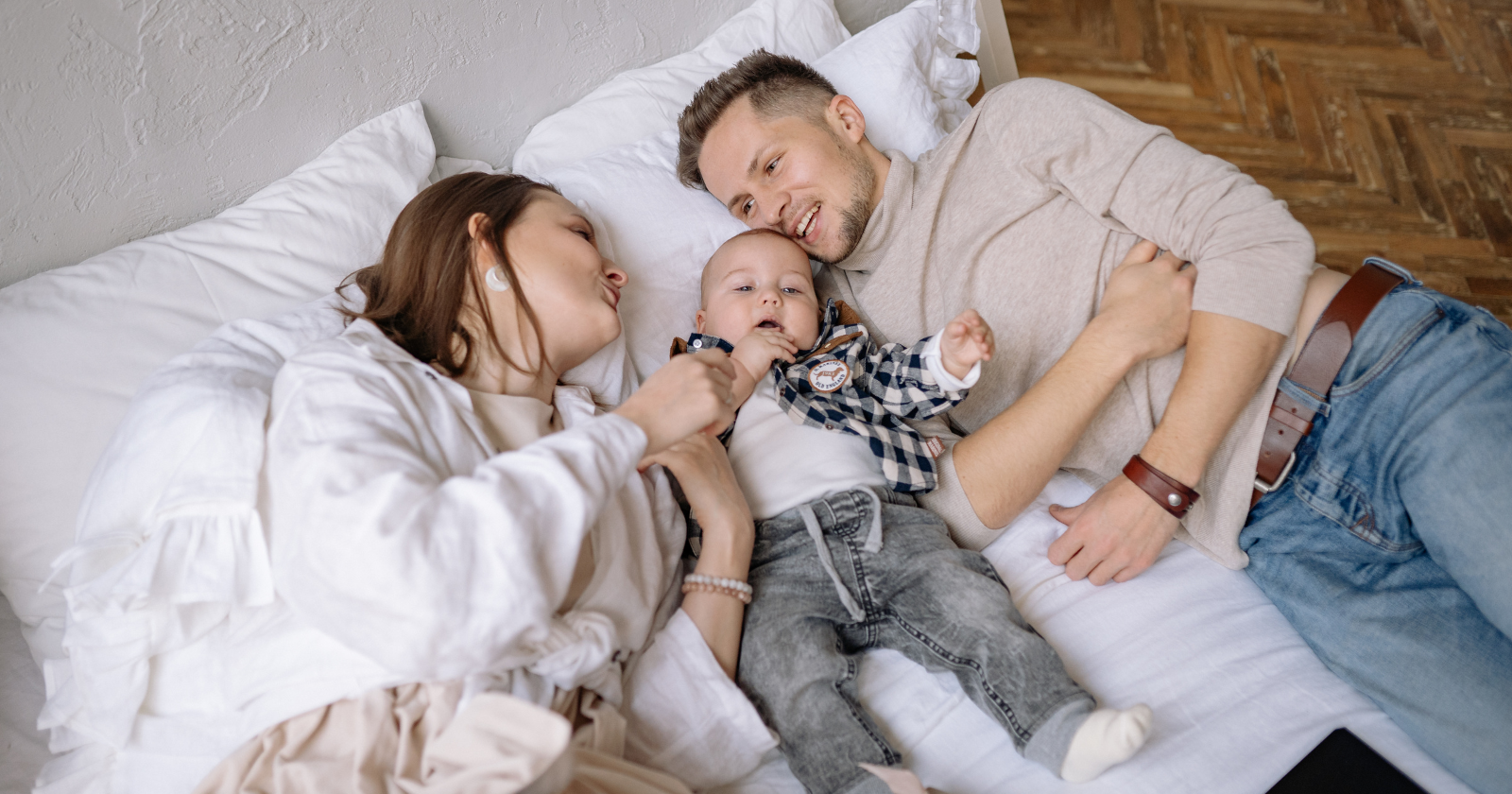
The first 6 weeks of parenthood teach you more about your marriage than the previous 6 years did — and some of what you learn you can’t unlearn
In those raw, sleepless first weeks with a newborn, you’ll discover truths about your partner—and yourself—that years of date nights and shared vacations somehow never revealed, fundamentally altering how you see the person sleeping (or not sleeping) beside you.

Psychology says the reason some people instinctively follow through on commitments while others constantly struggle with it has very little to do with willpower. It has almost everything to do with whether someone modeled follow-through for them before they were ten years old
The Sunday morning I forgot the pancakes, I learned more about follow-through than any productivity book ever taught me.
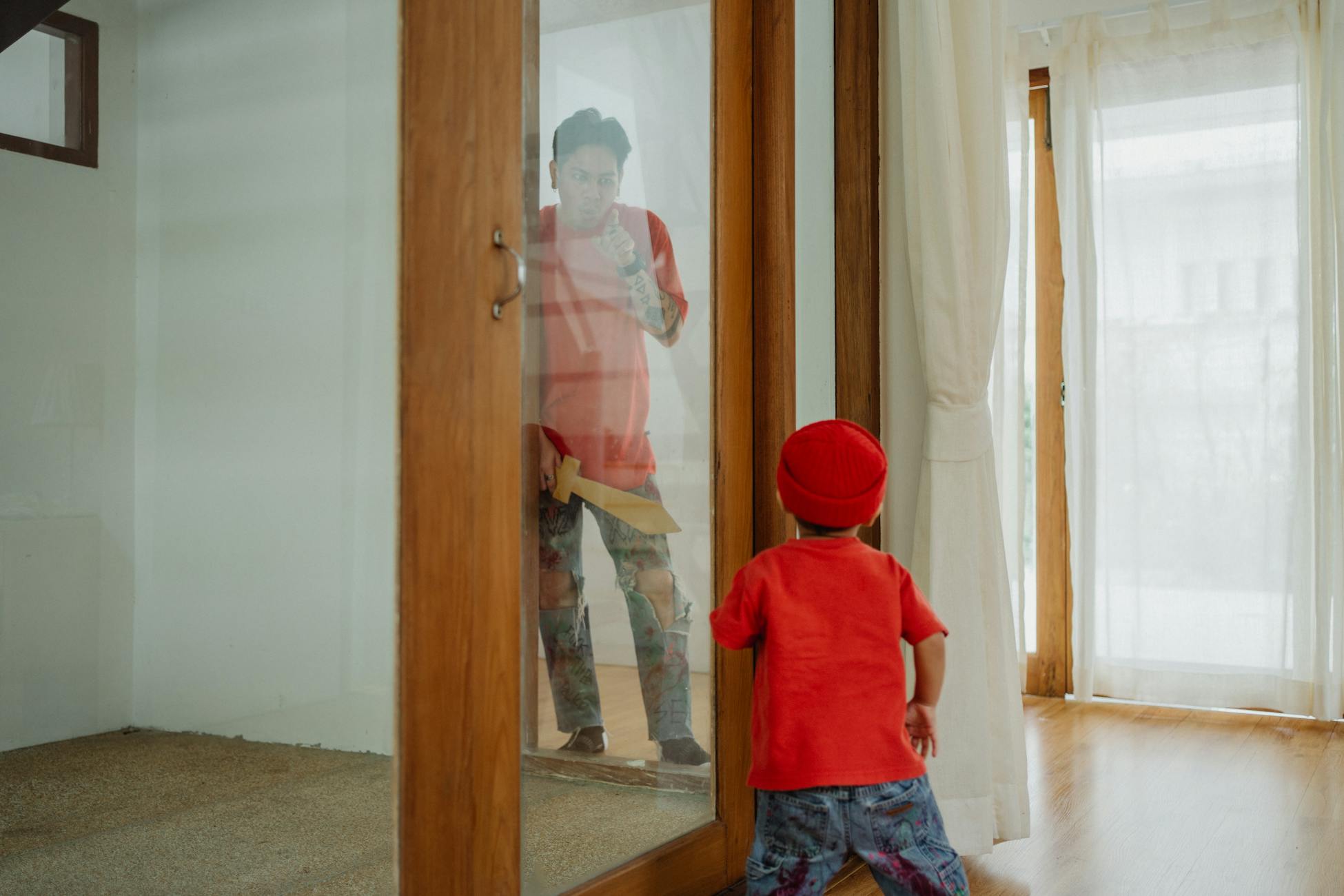
If a child grows up in a home where the rules were clear, the consequences were predictable, and the love was steady but never performative, psychology says something specific happens. They become adults who don’t confuse comfort with safety
The adults who grew up with steady, unglamorous love don’t spend their lives chasing intensity, because they already know what real safety feels like.