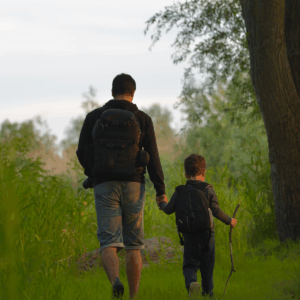
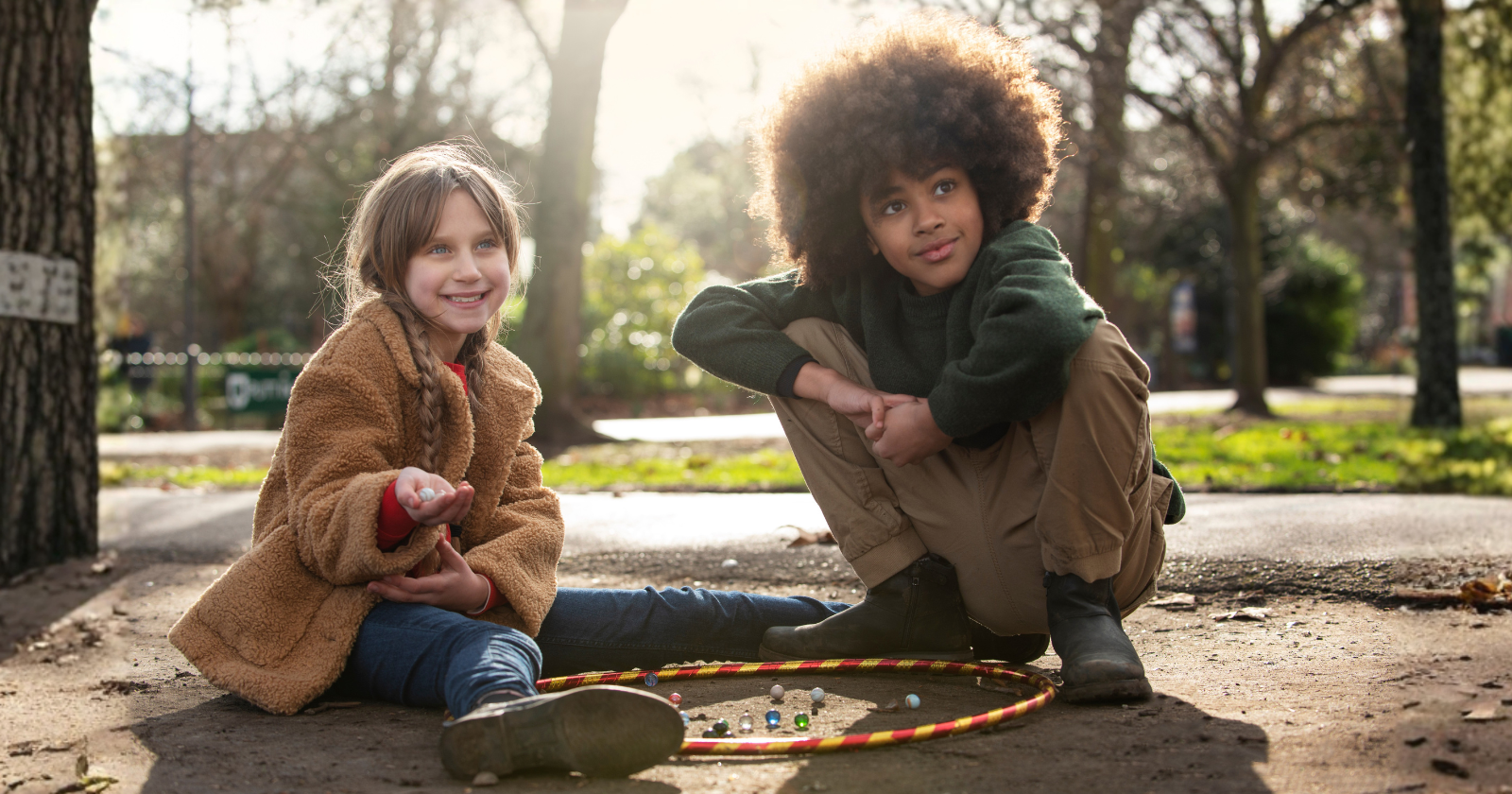
Growing up in a different era meant experiencing a childhood that would probably give modern parents a heart attack.
The parenting style of the Boomer generation gets criticized plenty these days, and sure, some of that criticism is fair.
But here’s the thing: a lot of what looked like neglect or carelessness back then actually created kids who knew how to handle themselves in the real world.
I’ve watched my own children parent their kids with a level of involvement and supervision that would’ve been unthinkable when I was young. And while I see the love and intention behind it, I also notice something missing.
The scrappy resilience that came from figuring things out on your own. The quiet confidence that builds when you solve problems without someone hovering over your shoulder.
These weren’t perfect parents by any stretch. But some of their seemingly hands-off approaches produced generations who knew how to adapt, persist, and handle uncertainty. Let’s look at what they did that actually worked.
1. Letting kids roam the neighborhood unsupervised from a young age
Remember being six or seven years old and just heading out the door after breakfast with no real plan or destination?
You’d wander through backyards, explore construction sites, or bike to a friend’s house three streets over. Your parents had a vague idea of your general whereabouts, but they certainly weren’t tracking you on an app.
This kind of freedom forced kids to develop spatial awareness and navigation skills that went way beyond following GPS directions.
You learned which yards had mean dogs, which shortcuts were actually faster, and how to read your environment for safety.
Should you jump that fence? Could you make it across those stepping stones? These were real-time decisions that taught you to calibrate your own capabilities.
Related Stories from The Artful Parent
- I’m 65 and I stopped arguing politics with my daughter three years ago — not because I gave up on her, but because I finally understood that protecting our relationship mattered more than being right about things neither of us can control
- Psychology says the hardest part of watching your parents age isn’t the physical decline – it’s the moment you realize they’ve started performing competence the same way you performed adulthood when you first moved out, and you’re both pretending not to notice the act
- Psychology says people others describe as ‘easy to talk to’ aren’t being casual — they’re performing one of the hardest social skills that exists
The social learning that happened during these unsupervised hours shaped how we handled relationships for the rest of our lives.
When conflict arose between kids, there was no adult to mediate or assign blame. You had to negotiate, compromise, or sometimes just walk away. The confidence that came from this independence was genuine because it was earned through experience.
2. Minimal safety equipment and “dangerous” play
Playgrounds back then were basically injury factories by today’s standards.
Metal slides that turned into griddles in summer sun. Merry-go-rounds that could launch you into orbit. Jungle gyms over concrete or packed dirt.
And you know what? Kids learned to be careful through actual experience with consequences.
I remember climbing trees with my buddies well past the point of reasonable safety. We’d get twenty, thirty feet up, and yeah, sometimes someone fell and broke an arm.
- Gary Vaynerchuk says bloggers who obsess over monetization before audience-building are making a fatal mistake - The Blog Herald
- The people’s opera: what a 2009 Twitter experiment reveals about audience-led content - The Blog Herald
- How to protect your personal brand on social media as a blogger - The Blog Herald
But you learned exactly where your limits were. You developed an intimate understanding of your own body, your balance, your grip strength.
The same applied to bike riding without helmets or building ramps to jump over with our bikes. We crashed, we scraped ourselves up, and we got better at judging what was manageable versus genuinely stupid.
3. Expecting kids to figure things out themselves before asking for help
“Go look it up” or “figure it out yourself” were standard responses to questions in many Boomer households.
Homework stumping you? Spend another hour on it. Can’t fix your bike chain? Go tinker with it in the garage.
This approach built genuine competence in a way that immediate assistance never could.
When you finally figured out that math problem after struggling with it for an hour, you truly understood the concept.
The neural pathways formed through that struggle were deeper and more permanent than if someone had just shown you the answer. You also learned that frustration and confusion are normal parts of learning.
The confidence that emerged was real because it came from proof. You knew you could solve problems independently because you’d done it repeatedly. There’s also something valuable about learning that help isn’t always immediately available and that’s okay.
4. Sending kids outside with vague instructions to “be home when the streetlights come on”
Summer days meant getting kicked out of the house after breakfast and expected to entertain yourself until dinner.
No scheduled activities, no playdates arranged by parents, no structured anything. Just you and however many other kids you could round up.
This unstructured time taught you to generate your own entertainment and manage boredom creatively.
You invented games, created elaborate fantasy worlds, built forts, or just wandered around seeing what you could discover. The creativity this fostered was real because necessity drove it.
You also learned time management through natural consequences. If you lost track of time and came home late, dinner was cold or you missed it entirely.
5. Allowing kids to experience real boredom without entertainment
What do you do on a Saturday afternoon when there’s nothing on TV, you’ve read all your books, and your parents refuse to entertain you?
You sit with that boredom until your brain gets creative enough to generate something interesting.
Boomer parents were comfortable letting their kids be bored. There was no guilt about not providing constant stimulation.
If you complained you were bored, the typical response was “then go find something to do” or worse, they’d assign you chores.
The creativity that emerged from boredom was different from structured activities. When you’re bored in your backyard, you might spend two hours building an entire city out of sticks and rocks.
That kind of absorbed, self-directed focus becomes harder to access if you’re never forced to create your own engagement.
6. Letting kids handle their own school problems and conflicts
When you came home complaining about a teacher being unfair or a friend who’d hurt your feelings, Boomer parents typically listened and then told you to handle it yourself.
They didn’t email teachers or storm into school demanding conferences.
This approach taught self-advocacy in a way that parental intervention never could.
If you had a problem with a teacher, you had to find the courage to speak up yourself.
You learned how to state your case, accept when the answer was no, and distinguish between battles worth fighting and situations better left alone.
You also learned the hard truth that life isn’t always fair and authority figures don’t always side with you. You developed resilience around disappointment because you’d encountered it early and survived it.
7. Giving kids real responsibilities with actual consequences
How old were you when you started watching younger siblings? Maybe eight or nine?
That would get someone arrested today, but back then it was just any regular day. Kids had real jobs within the family structure, whether caring for siblings, doing substantial household chores, or holding down part-time work as young teenagers.
These responsibilities built work ethic because the stakes were real.
If you didn’t mow the lawn, it looked like hell and the neighbors noticed. If you didn’t watch your little brother properly, he could get hurt.
The consequences were immediate and concrete. Being treated as a contributing member of the family created a different relationship with work and responsibility. You understood that households function because everyone pitches in.
8. Being honest about adult struggles and family finances
Many Boomer parents didn’t shield their kids from knowing when money was tight or life was stressful.
You heard conversations about bills and layoffs. You knew when the family couldn’t afford something.
I grew up knowing exactly how much my dad made and what our mortgage payment was. I knew we couldn’t afford family vacations like some neighbors took.
At the time, I resented this transparency. Looking back though, I can see that it taught me more about money management than any financial literacy class could have. I understood that income was finite and that choices involved tradeoffs.
This honesty about hardship taught you that difficulty was normal and survivable. You saw your parents stressed but persisting. You watched them solve problems and make tough decisions. This modeled resilience in a way that shielding children from reality never could.
Conclusion
Look, I’m not saying we should send kids back to the 1970s wholesale. Some things have genuinely improved. We know more about child development, we take mental health seriously, and we’ve rightfully eliminated truly dangerous practices.
But somewhere along the way, we threw out some approaches that actually worked. The kind of independence and problem-solving skills that came from benign neglect served generations well in navigating adult life.
When you’ve spent your childhood figuring things out, handling boredom, and solving your own problems, you approach adulthood with a different kind of confidence.
The goal isn’t to recreate the past. It’s to recognize what built resilience back then and find ways to cultivate those same qualities now.
Maybe that means loosening the reins just a bit. Letting kids be bored sometimes. Resisting the urge to solve every problem for them. Trusting that struggle and discomfort can be teachers as valuable as any lesson we might provide.
Because raising capable adults sometimes means stepping back and letting kids figure out how to become them.