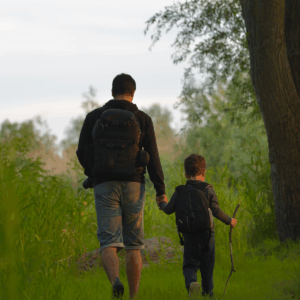
I was watching my grandchildren the other day, sitting cross-legged on the grass, completely absorbed in what looked like nothing more than sticks, leaves, and a very serious imaginary storyline.
No phones.
No urgency.
No productivity goals.
Just play.
It reminded me of something we don’t talk about enough as adults: how many parts of ourselves we quietly left behind when life got “serious.”
Somewhere between responsibilities, deadlines, and doing what made sense on paper, a lot of us stopped doing the things that once made time disappear.
And here’s the funny part.
When you pick some of those old hobbies back up later in life, they don’t just feel nostalgic.
They hit deeper.
They calm your nervous system. They wake up parts of your mind you forgot existed. And sometimes, they teach you more now than they ever could back then.
George Bernard Shaw once put it perfectly: “We don’t stop playing because we grow old; we grow old because we stop playing”.
This is actually backed up by research too. Play supports emotional regulation, resilience, and mental flexibility well beyond childhood.
Related Stories from The Artful Parent
- I’m 35 and I love my parents but I also resent them — and I spent years believing those two things couldn’t both be true before I understood that love and resentment are not opposites, they are the specific combination that forms when you were raised by people who did their best and whose best had limits and whose limits became your wounds
- Psychology says when adult children avoid their parents, it’s rarely about one dramatic event — it’s about a thousand small moments where the child learned that being authentic around the parent felt more dangerous than being distant
- I finally understand why my father always backed the car into the driveway — it wasn’t about convenience, it was a man who spent his whole life making sure everyone else could leave first
So let’s talk about seven childhood hobbies that feel surprisingly powerful when you return to them as an adult.
1. Drawing without trying to be good at it
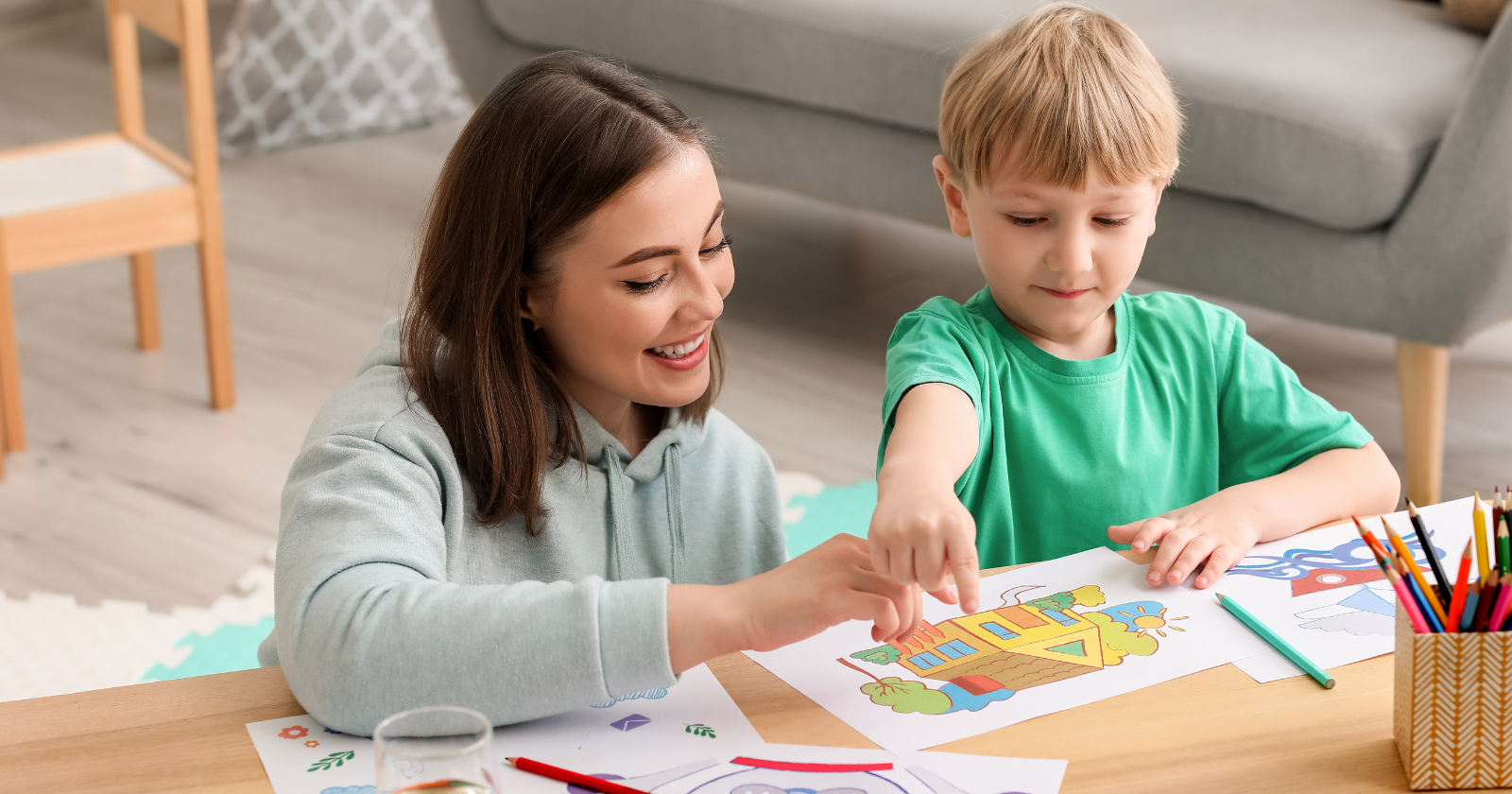
Remember when you used to draw just to draw?
No tutorials. No comparison. No inner critic whispering, “That doesn’t look right.”
You weren’t trying to impress anyone. You were just getting something out of your head and onto paper.
As adults, we tend to avoid creative things unless we think we’ll be “good” at them. But when you return to drawing with a beginner’s mindset, something shifts.
Your shoulders drop. Your breathing slows. You stop overthinking.
Albert Einstein captured this beautifully when he said, “Imagination is more important than knowledge…imagination embraces the entire world”.
That imagination does not disappear with age. We simply stop giving it space.
I’ve found that sketching badly is oddly freeing. No stakes. No outcome. Just expression.
Experts agree that creative play helps regulate stress and strengthen cognitive flexibility, much like it does in children.
The difference is that as adults, we feel the relief more clearly because daily life so often pulls us in the opposite direction.
2. Building things with your hands
Lego sets. Model airplanes. Tree forts. Random contraptions made from whatever was lying around.
As kids, we built things simply to see if we could.
As adults, many of us have not made anything tangible in years.
Picking this back up through woodworking, assembling kits, or simple DIY projects reconnects you to cause and effect.
You do something. Something happens.
In a world where so much feels abstract or out of your control, working with your hands grounds you in the present moment. It pulls you out of your head and back into your body.
Activities that involve physical engagement often calm anxiety more effectively than thinking your way out of it.
That idea came up again when I recently revisited Rudá Iandê’s Laughing in the Face of Chaos. The book inspired me to notice how settled I feel when my hands are busy and my mind is quiet.
One line especially stayed with me: “When we stop resisting ourselves, we become whole.”
Sometimes wholeness starts with something simple, like building, fixing, or creating.
3. Writing by hand instead of typing
Journaling. Writing letters. Making lists with an actual pen.
As kids, handwriting was how we processed the world. Now it has largely been replaced by screens.
But the research agrees that writing by hand activates deeper brain connections than typing. Psychology Today notes that handwriting stimulates complex neural pathways essential for memory formation and learning.
Emotionally, it also slows you down.
When you write by hand, you cannot outrun your thoughts. You have to sit with them.
I’ve noticed that when I journal by hand, my thoughts come out more honestly. Less polished. More real.
Authenticity matters more than perfection. When no one else is watching, truth flows more easily.
4. Playing pretend (yes, really)
Stay with me on this one.
Pretend play does not disappear when we grow up. It just changes form. Daydreaming. Imagining different futures. Writing stories. Role-playing games.
As children, pretend play helped us process fear, confusion, and curiosity.
Research from the Harvard Center on the Developing Child shows that play fuels brain growth, strengthens executive function, buffers stress, and builds resilience.
Adults need those benefits too.
I see this clearly when I play silly games with my grandchildren. What starts as nonsense often opens the door to real conversations about worries, hopes, and questions they do not yet have words for.
And truthfully, it does the same for me.
Imagination remains one of our most underused emotional tools.
5. Collecting things purely because they delight you
Stamps. Rocks. Cards. Coins. Anything that caught your eye.
As kids, collections were about fascination, not value.
As adults, we often measure everything by usefulness or return on investment. That mindset quietly drains joy from everyday life.
Returning to collecting books, records, postcards, or even found objects brings curiosity back into the picture.
There is something calming about organizing and revisiting things that simply make you smile.
No explanation required.
Experts have noted that repetitive, low-pressure activities help the nervous system feel safe.
In a world that constantly demands output, delight without purpose becomes a form of restoration.
6. Playing simple physical games
Tag. Catch. Frisbee. Riding a bike with no destination.
Not workouts. Not step counts. Just movement.
When you were young, your body was not something to optimize. It was something to enjoy.
Reintroducing playful movement changes how you relate to your body. You stop judging it and start inhabiting it.
The body is not something to fight or control. It carries its own intelligence.
Movement without performance reconnects you to that intelligence.
You do not need to be fast or flexible. You just need to move.
7. Reading purely for escape
Not self-help. Not news. Not “important” books.
Just stories.
As children, we read to disappear into another world. As adults, we often read to improve ourselves.
There is a place for both. But returning to reading for pleasure restores something essential.
Wonder.
I’ve noticed that when I read fiction again, my patience improves. My empathy softens. My thinking loosens its grip.
Stories have always been how humans make sense of complexity. Long before strategies and systems existed, we told stories to understand ourselves and each other.
Closing thoughts
You do not need to reclaim all seven of these.
One might be enough.
One forgotten hobby that helps you breathe a little deeper, think a little clearer, or remember who you were before life got so loud.
So let me leave you with this question:
What did you love doing before you learned to be practical, and what might happen if you gave yourself permission to try it again?