

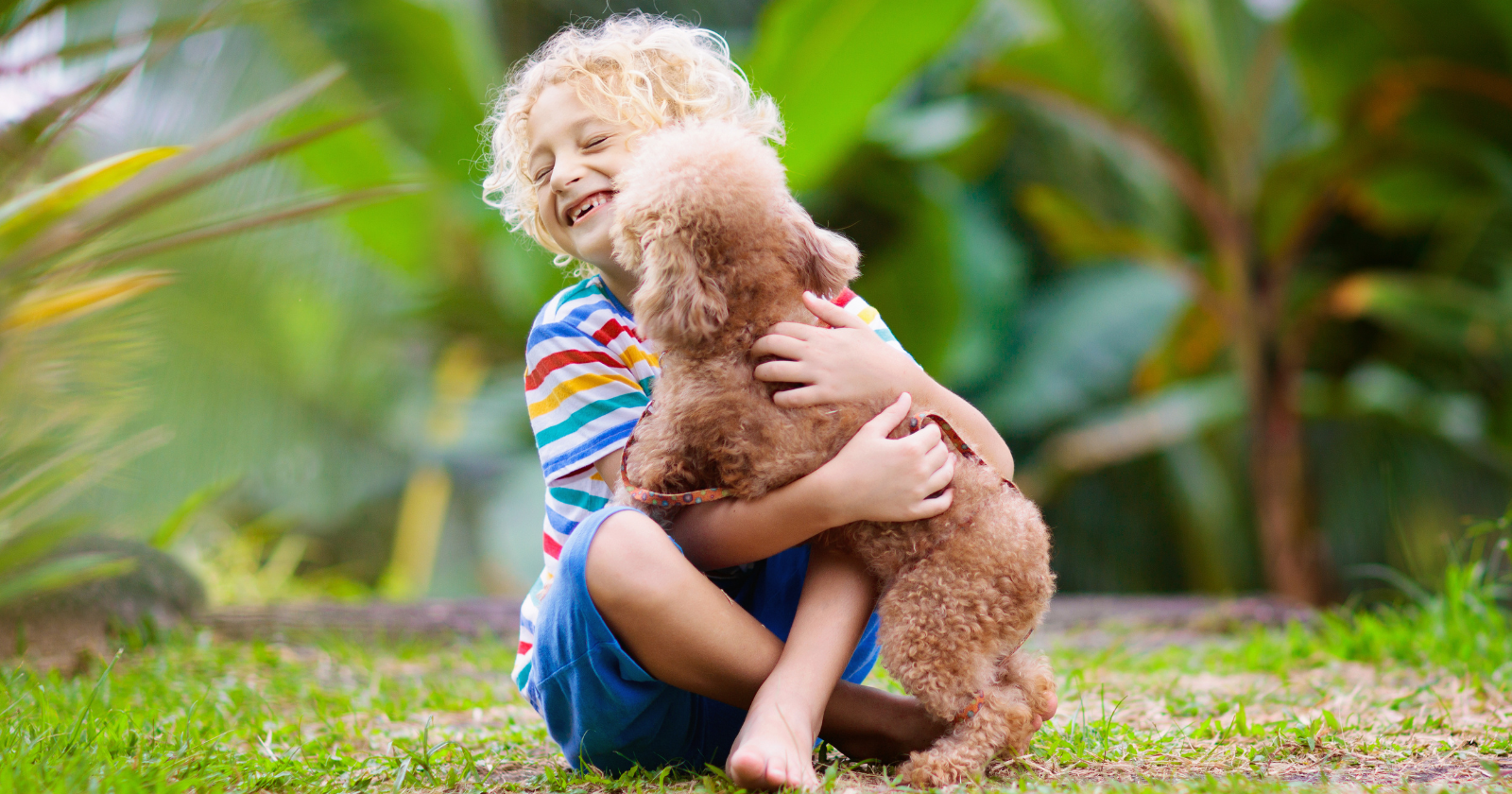
Ever watch a five-year-old water a garden? Mine started with enthusiasm that could flood a desert, then forgot halfway through and left the hose running while chasing a butterfly.
But you know what? Those half-watered tomatoes and that muddy mess taught her more about responsibility than any lecture I could give.
Kids need real-world practice at being independent, and hobbies are the perfect training ground.
They’re fun enough to keep little ones engaged but structured enough to teach genuine life skills.
After watching my two navigate different interests (and yes, abandon a few along the way), I’ve learned which activities really help them grow into capable, confident little humans.
1. Gardening their own patch
Start small. Really small. We’re talking one potted herb or a single square foot of dirt.
When kids have their own plant to nurture, magic happens.
They learn that forgetting to water has consequences, but also that consistent care brings rewards.
My daughter chose sunflowers for her first garden project. Some days she remembered to water them, other days…not so much.
But watching those seeds transform into towering flowers taller than her? That pride was everything.
Now she checks her plants before breakfast, no reminders needed.
Related Stories from The Artful Parent
- I’m 65 and I stopped arguing politics with my daughter three years ago — not because I gave up on her, but because I finally understood that protecting our relationship mattered more than being right about things neither of us can control
- Psychology says the hardest part of watching your parents age isn’t the physical decline – it’s the moment you realize they’ve started performing competence the same way you performed adulthood when you first moved out, and you’re both pretending not to notice the act
- Psychology says people others describe as ‘easy to talk to’ aren’t being casual — they’re performing one of the hardest social skills that exists
The best part? Gardens teach patience naturally. You can’t rush a tomato to ripen or force a flower to bloom.
Research on school gardens confirms that when children manage their own garden beds, they develop increased self-understanding, better teamwork abilities, and enhanced maturity.
2. Caring for a pet (even a tiny one)
Before you panic about adding a golden retriever to your chaos, hear me out.
Pet care can start with a goldfish or even sea monkeys. The point isn’t the pet itself but the daily routine of caring for another living thing.
We started with a beta fish. Simple, right?
Feed once a day, clean the bowl weekly. My little one took ownership immediately, even making a feeding chart with stickers.
- Gary Vaynerchuk says bloggers who obsess over monetization before audience-building are making a fatal mistake - The Blog Herald
- The people’s opera: what a 2009 Twitter experiment reveals about audience-led content - The Blog Herald
- How to protect your personal brand on social media as a blogger - The Blog Herald
That little fish taught scheduling, consistency, and empathy better than I ever could.
Ready for more? Graduate to hamsters, guinea pigs, or chickens if you have space.
Studies show that pet caretaking responsibilities like feeding, watering, grooming, strengthen the child-animal bond while fostering autonomy, self-reliance, and more responsible decision-making.
3. Cooking simple meals
Teaching kids to cook goes way beyond preventing future college ramen overdoses.
Following recipes teaches reading comprehension, math, and planning.
Plus, there’s immediate feedback. Forget the salt? You’ll taste it.
Start with no-cook options like sandwiches or fruit salads. My two-year-old proudly makes his own peanut butter toast (supervised, of course). He chooses his toppings, spreads carefully, and beams with pride eating his creation.
As they grow, add actual cooking. Scrambled eggs, quesadillas, simple pasta. By eight or nine, kids can handle a full meal with minimal supervision.
The confidence boost from feeding the family? Priceless.
4. Managing a small business
Remember lemonade stands? They’re entrepreneurship 101 for kids.
But modern mini-businesses can be even better teachers. Think friendship bracelet sales, painted rock gardens, or seasonal crafts.
What makes this brilliant for building responsibility? Kids handle everything: supplies, pricing, customer service, and money management.
They learn that effort equals results and that treating people well matters.
One neighbor’s kid started selling homemade dog treats at our farmers market. She tracks expenses, calculates profit, and saves half for college. She’s ten.
The business skills are great, but watching her interact confidently with adults? That’s the real win.
5. Learning a musical instrument
Music requires daily practice, period. Skip a few days and fingers fumble, rhythms falter.
This immediate feedback loop teaches kids that consistency matters more than perfection.
The key is letting them choose their instrument. Forced piano lessons rarely stick, but a kid who begs for guitar lessons? They’ll practice without nagging because they’re invested.
Beyond discipline, music teaches problem-solving.
Can’t get that chord right? Try different finger positions. Rhythm off? Count it out. These skills transfer everywhere.
6. Photography projects
Hand a kid a camera (even an old phone) and watch them see the world differently.
Photography teaches observation, patience, and creative decision-making.
Create weekly challenges: photograph something blue, capture movement, find interesting shadows.
These projects push kids to plan, explore, and think critically about their surroundings.
The responsibility piece? Caring for equipment, organizing photos, and completing projects on time.
Plus, sharing their perspective builds confidence in their unique voice.
7. Building and maintaining collections
Collections might seem trivial, but they teach organization, research, and long-term commitment.
Whether it’s rocks, stamps, or Pokemon cards, maintaining a collection requires consistent effort.
My daughter collects leaves from our walks. She presses them, labels them, researches tree types.
This simple hobby has taught her cataloging, patience, and attention to detail. She’s created her own filing system that actually makes sense.
Collections also teach budgeting if kids use allowance for purchases, and trading teaches negotiation skills.
8. Sewing or crafting projects
Threading a needle requires focus. Following a pattern demands precision. Completing a project takes persistence.
Sewing and crafts hit all the responsibility markers while creating something tangible.
Start simple: sew on a button, make a bookmark, weave a potholder. Each project completed solo builds confidence.
My five-year-old just finished her first felt stuffie. Is it perfect? Nope. Is she proud? Absolutely.
These hobbies also teach resourcefulness.
Out of purple thread? Problem-solve with what you have. Pattern too hard? Modify it. Real-world flexibility in action.
9. Participating in community service
Volunteering regularly transforms kids’ understanding of responsibility from “what I have to do” to “how I can help.”
Find age-appropriate opportunities: sorting food bank donations, reading to younger kids, or neighborhood cleanups.
The commitment aspect matters here. Showing up weekly, even when they’d rather play, teaches that responsibility sometimes means doing what’s needed, not what’s fun.
Watch kids who volunteer regularly. They develop empathy, perspective, and genuine pride in contributing. These aren’t skills you can teach through chores alone.
10. Keeping a journal or blog
Daily writing might sound boring, but kids who journal develop self-reflection skills and emotional intelligence.
They learn to process experiences and take ownership of their thoughts.
For tech-savvy kids, try blogging about their interests. Writing for an audience (even if it’s just grandparents) adds accountability.
They learn to meet deadlines, communicate clearly, and stand behind their words.
My older one keeps a nature journal, drawing and describing our outdoor adventures. Some entries are one sentence, others fill pages. The habit matters more than the content.
Finding what fits
Not every hobby will click with every kid, and that’s okay. The goal isn’t perfection but practice.
Let them try different things, abandon what doesn’t work, and dive deep into what does.
Remember, hobbies should be fun first, educational second. The moment it becomes another chore, you’ve lost the magic.
Keep it light, celebrate small wins, and model your own hobbies too.
Building independence and responsibility doesn’t happen overnight. But give kids ownership over something they care about, step back, and watch them surprise you.
Those half-watered tomatoes from my opening story?
They eventually produced the sweetest cherry tomatoes we’d ever tasted. Sometimes the messy path teaches the most valuable lessons.
