
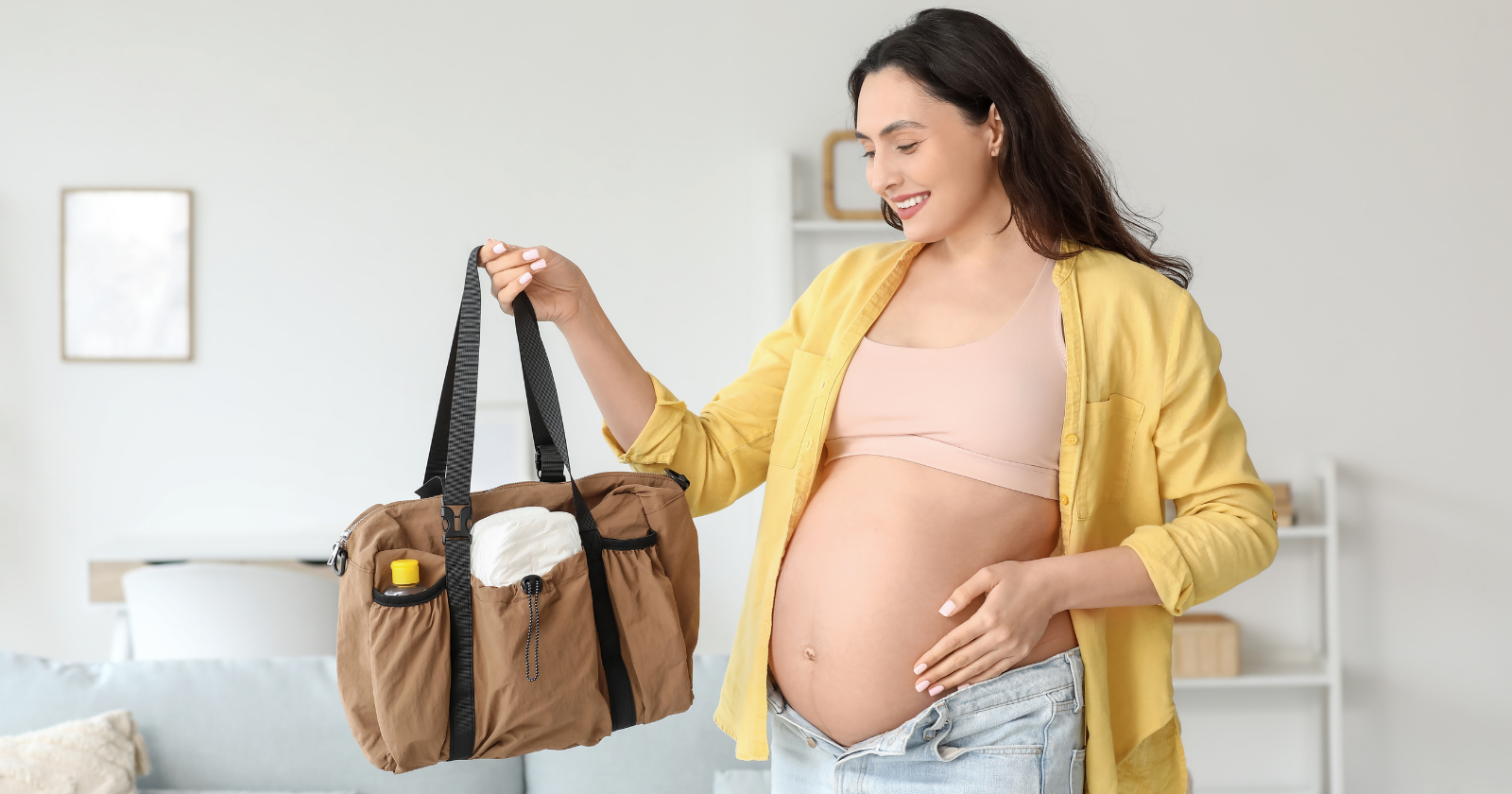
When I was pregnant with Ellie, I packed my hospital bag like I was preparing for a two-week vacation to a remote island with no stores. Essential oils, multiple outfit options for every possible scenario, a diffuser, snacks that could feed a small army, and about fourteen different lip balms.
Want to know what I actually used? Maybe a third of it.
By the time Milo came along, my bag was half the size and twice as useful. The truth is, hospitals provide most of what you need, and the rest of those “must-have” lists floating around online are often written by people trying to sell you something.
I’ve talked to dozens of moms over the years, and we all seem to land in the same place: less is more, and the things that actually matter have nothing to do with matching pajama sets.
1) Your own pillow from home
Hospital pillows are flat, wrapped in plastic, and somehow manage to be both too firm and completely unsupportive at the same time. Bringing your own pillow is one of those small comforts that makes a surprisingly big difference when you’re exhausted, emotional, and trying to get any rest you can between feeds and check-ins.
I recommend putting it in a pillowcase that’s a different color from white so it doesn’t accidentally get mixed in with hospital linens. This tiny piece of home helps your body relax in an unfamiliar environment.
You’ll use it for sleeping, for propping yourself up during breastfeeding, and for those quiet moments when you just need something familiar to hold onto.
Some moms also bring a small blanket or throw from home for the same reason. The weight and smell of something yours can be incredibly grounding during such an intense transition.
2) A long phone charger
This might sound obvious, but the length matters more than you’d think.
Hospital outlets are rarely positioned conveniently near the bed, and you’ll want your phone within arm’s reach for those middle-of-the-night feeding sessions when you’re texting your partner for water, scrolling through newborn care questions, or just staring at your baby’s face while capturing a hundred nearly identical photos.
A charger that’s at least six feet long gives you flexibility. You won’t have to choose between charging your phone and actually being able to use it. And trust me, your phone will drain faster than usual because you’ll be using it constantly, whether for photos, calls with family, or just the comfort of connection during those quiet hours.
I’d also suggest bringing a portable battery pack as a backup. Labor can be long, and you don’t want to miss capturing those first moments because your phone died.
3) Comfortable going-home clothes that still fit your pregnant body
Here’s something no one told me before my first baby: you will still look pregnant when you leave the hospital. Your belly doesn’t magically disappear, and trying to squeeze into pre-pregnancy jeans is a recipe for tears and frustration during an already emotional time.
Pack something soft, stretchy, and forgiving. Think loose joggers or a flowy dress. Whatever you wore comfortably at around six months pregnant will probably work well. You want to feel good walking out of there with your new baby, not uncomfortable and self-conscious.
I wore the same black maternity leggings home with both kids, paired with a nursing-friendly top. Nothing fancy, but I felt like myself. That matters more than any photo op.
4) Nipple cream and breast pads
If you’re planning to breastfeed, these two items are non-negotiable. Even if everything goes smoothly, those first few days of nursing can leave you tender and sore. A good lanolin-free nipple balm or organic coconut oil can provide relief and help with healing.
Breast pads are equally important because your milk may start coming in before you leave, and leaking is completely normal. Having a few pairs of disposable or reusable pads tucked in your bag means you won’t be caught off guard.
As lactation consultant Leigh Anne O’Connor has noted, early nipple care can make a significant difference in your overall breastfeeding experience and comfort level in those crucial first weeks.
The hospital will likely have some supplies, but having your own preferred products means one less thing to figure out while you’re learning to nurse.
5) Your own toiletries in travel size
Hospitals provide the basics, but there’s something deeply restorative about washing your face with your own cleanser or brushing your teeth with your own toothpaste after labor. These small rituals help you feel human again after one of the most physically intense experiences of your life.
Keep it simple: toothbrush, toothpaste, face wash, moisturizer, deodorant, dry shampoo, and maybe a hair tie or two. I also always pack a gentle, unscented lotion because hospital air tends to be incredibly dry.
Skip the full makeup bag unless that’s truly part of what makes you feel like yourself. Most moms I know don’t end up touching it. But if a swipe of mascara helps you feel ready to meet visitors, by all means, bring it along.
6) Snacks you actually want to eat
Hospital food is fine, but it comes on a schedule that may not align with your hunger, especially during labor or in the middle of the night when you’re up feeding a newborn. Having your own stash of nourishing snacks means you can eat when your body tells you to.
Think protein-rich and easy to eat with one hand: nut butter packets, granola bars, trail mix, dried fruit, crackers with cheese. I also loved having a few dark chocolate squares tucked away for those moments when I just needed a little treat.
According to the American College of Obstetricians and Gynecologists, maintaining good nutrition during the postpartum period supports recovery and milk production. Having snacks on hand helps you fuel your body without waiting for meal trays.
7) A cozy robe or cardigan
Hospital gowns are functional but not exactly comfortable or flattering. A soft robe or oversized cardigan gives you a layer of warmth and coverage that feels more like you. It’s perfect for walking the halls during early labor, for skin-to-skin time with baby, or for receiving visitors without feeling completely exposed.
Choose something you don’t mind getting messy, because postpartum is not a tidy time. Dark colors are forgiving, and front-opening styles make nursing easier. I lived in a soft gray robe for most of my hospital stay with Milo, and it made everything feel a little cozier.
This is also one of those items that transitions well to home. You’ll likely keep reaching for it during those early weeks of recovery.
8) An outfit for baby and a blanket
The hospital will provide onesies, blankets, and hats for your newborn during your stay. But you’ll want one special outfit for going home and for those first photos. Keep it simple: a soft onesie or sleeper, a hat, socks or booties, and a receiving blanket.
Resist the urge to pack multiple outfit options. Newborns are tiny and floppy, and changing them is trickier than it looks when you’re exhausted and learning. One well-chosen outfit is plenty.
I’d also suggest packing seasonally appropriate layers. If it’s cold, bring a warm bunting or blanket for the car seat. If it’s hot, opt for breathable cotton. The goal is comfort for baby and ease for you.
9) Important documents and a pen
You’ll be signing paperwork, filling out forms, and possibly making decisions about birth certificates and insurance. Having your ID, insurance card, and any hospital pre-registration paperwork organized and accessible saves stress during an already overwhelming time.
I keep a small folder in my bag with everything in one place. It sounds simple, but when you’re in labor or recovering from birth, the last thing you want is to dig through a bag looking for your insurance card.
A pen is also surprisingly useful. Hospitals never seem to have enough of them, and you’ll appreciate having your own when it’s time to sign discharge papers or jot down notes from the pediatrician.
10) Something for your partner or support person
This one often gets overlooked, but your birth partner will be there for hours, possibly overnight, and they need to be comfortable too. A change of clothes, their own toiletries, phone charger, and snacks will help them stay present and supportive without having to leave to find food or freshen up.
Matt brought a small bag with the basics when Milo was born, and it made such a difference. He could focus on being there for me and the baby instead of worrying about his own needs. A well-rested, fed partner is a better support system.
If your support person tends to get cold, suggest they bring a sweatshirt. Hospital rooms can be chilly, and those plastic-covered chairs aren’t exactly cozy.
Closing thoughts
Packing your hospital bag doesn’t need to be a stressful production. The truth is, you’ll spend most of your time in a hospital gown, staring at your new baby, and figuring out this whole parenthood thing one feeding at a time. The stuff in your bag is just background support.
What matters most is that you feel comfortable and cared for during those first tender days. A few thoughtful items from home can make the hospital feel a little less clinical and a little more like the beginning of your family’s story.
Pack light, trust yourself, and know that whatever you forget, you’ll figure out. That’s pretty much the theme of parenthood anyway.
