

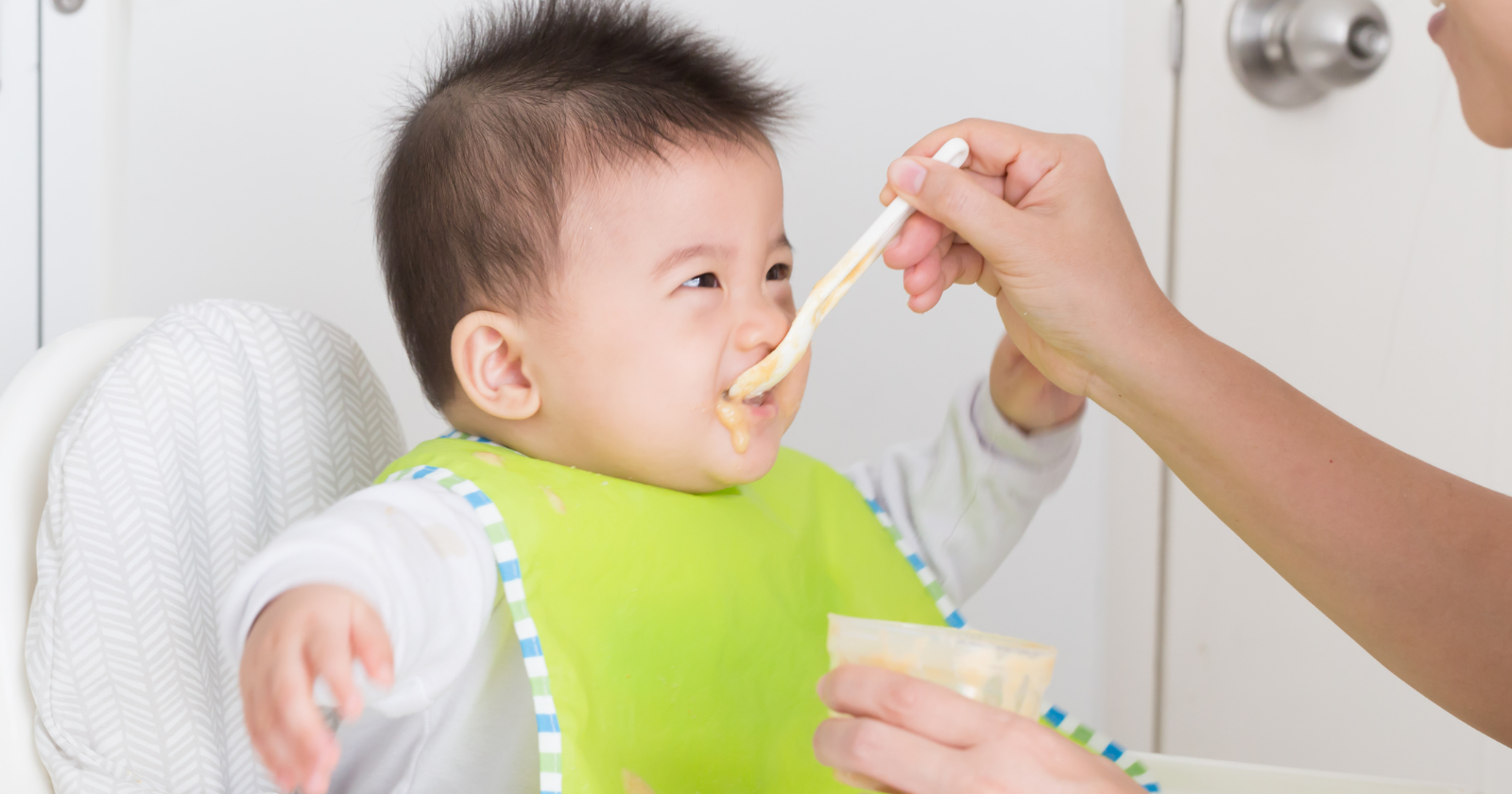
There’s something both thrilling and terrifying about watching your baby take their first bites of real food.
You’ve spent months nourishing them with milk alone, and suddenly you’re standing in the kitchen wondering if you should start with rice cereal or skip it entirely, whether to puree everything or try baby-led weaning, and if that organic avocado is really worth three dollars.
Here’s what I’ve learned through my own journey and from talking with pediatric nutritionists: the first foods you offer matter, but not in the stressful way you might think. They matter because they shape your baby’s palate, introduce essential nutrients during a critical window of development, and set the stage for how your little one relates to food.
The good news? You don’t need fancy gadgets or complicated recipes. These eight whole foods are nutrient powerhouses that babies tend to love, and they’re probably already in your kitchen.
1) Avocado: the perfect first fat
If I could only recommend one first food, it would be avocado. This creamy fruit is loaded with healthy monounsaturated fats that support your baby’s rapidly developing brain. It’s also rich in folate, potassium, and fiber, all wrapped up in a texture that’s naturally baby-friendly without any cooking required.
The beauty of avocado is its versatility. For younger babies just starting out, you can mash it smooth with a fork and thin it with a little breast milk or formula.
For babies ready for more texture, simply slice it into soft strips they can grasp. As noted by the American Academy of Pediatrics, healthy fats are essential for infant brain development, and avocado delivers them in the gentlest possible form.
One tip: choose avocados that yield slightly to pressure but aren’t mushy. Too firm and your baby will struggle; too soft and you’ll have brown mush before lunchtime. I like to buy them a few days ahead and let them ripen on the counter.
2) Sweet potato: a nutrient-dense crowd pleaser
Sweet potatoes are one of those magical foods that babies almost universally accept. Their natural sweetness appeals to little palates, while their impressive nutritional profile makes parents happy too.
They’re packed with beta-carotene, which converts to vitamin A in the body and supports healthy vision, immune function, and skin.
Roasting brings out their natural sugars and creates a soft, mashable texture. I like to bake several at once, then store them in the fridge for easy meals throughout the week. You can serve sweet potato as a smooth puree, mashed with a bit of butter or coconut oil, or cut into soft wedges for self-feeding.
Related Stories from The Artful Parent
- 8 signs you’re raising an emotionally secure child even when it doesn’t feel like you know what you’re doing
- 9 things creative kids do that look like misbehavior but are actually signs their mind is working overtime
- The 8 messiest childhood activities are actually the ones building your child’s brain in ways screens never will
What I love about sweet potatoes is that they grow with your baby. Start with purees, move to mashed chunks, then offer roasted cubes as finger foods. They’re also incredibly affordable and available year-round, which matters when you’re feeding a growing family.
3) Banana: nature’s convenience food
Bananas might seem too simple to make a “best foods” list, but there’s a reason they’ve been a go-to first food for generations.
They require zero preparation, travel well, and provide quick energy along with potassium, vitamin B6, and vitamin C. For babies, the soft texture is easy to manage whether you’re spoon-feeding purees or handing over a chunk for self-exploration.
One approach I found helpful was cutting a banana in half and leaving part of the peel on. This gives baby something to grip while they gnaw on the exposed fruit. It’s messy, yes, but watching a baby figure out how to eat a banana is genuinely entertaining.
A word of caution: bananas can be binding for some babies, so balance them with foods that support digestion, like prunes or pears. If you notice your little one struggling with constipation after starting solids, ease up on bananas for a bit and see if things improve.
4) Egg yolk: a powerhouse of nutrition
Eggs have made a major comeback in infant feeding recommendations. For years, parents were told to wait on introducing eggs due to allergy concerns. Now, research suggests that early introduction of common allergens may actually help prevent allergies from developing.
- A psychologist explains why people who’ve found inner peace often seem disengaged or distant to their families — they’re not checked out, they’ve stopped absorbing everyone else’s emotional dysregulation as a personal responsibility to fix - Global English Editing
- Psychology says people over 60 who still play CDs aren’t resisting technology — they’re protecting a ritual that required intention and commitment and the act of holding an album and choosing it is a ceremony that streaming destroyed by making every song equally weightless and their refusal to let go is a refusal to let music become background noise in a life where too much is already disappearing - Global English Editing
- I’m 37 and I’ve noticed that whenever there’s a crisis everyone turns to me like I have answers – and the hardest part isn’t solving the problem, it’s that nobody ever asks if I’m okay because they need me to be the steady one and I’ve forgotten how to be anything else - Global English Editing
Egg yolks specifically are nutritional gold for babies. They contain choline, which is crucial for brain development, along with iron, zinc, and vitamins A, D, and B12. The yolk is also where you’ll find the healthy fats, making it more nutrient-dense than the white for this stage of life.
Start with a hard-boiled yolk mashed with a little breast milk or avocado. You can also scramble eggs soft and offer small pieces. I always choose pasture-raised eggs when possible because they tend to have higher levels of omega-3 fatty acids and vitamin D.
Watch for any signs of allergic reaction with the first few exposures, but don’t let fear keep you from offering this incredible food.
5) Bone broth: liquid nutrition
This one might surprise you, but bone broth is a wonderful addition to your baby’s early diet.
It’s rich in minerals like calcium, magnesium, and phosphorus in forms that are easy for tiny bodies to absorb. It also contains collagen and gelatin, which support gut health during a time when your baby’s digestive system is still maturing.
You can use bone broth to thin purees, cook grains, or simply offer it warm in a sippy cup or open cup for practice. Making your own is simple: save bones from roasted chicken, cover with water and a splash of apple cider vinegar, and simmer low and slow for several hours. Strain, cool, and store in the fridge or freezer.
If making your own feels like too much right now, look for high-quality store-bought options with minimal ingredients. Avoid broths with added salt or seasonings that aren’t appropriate for babies. The goal is pure, nourishing liquid that adds depth to meals without overwhelming young taste buds.
6) Iron-rich meats: don’t skip the protein
Many parents default to fruits and vegetables for first foods, but pediatric nutritionists increasingly emphasize the importance of iron-rich foods early on.
Around six months, babies’ iron stores from birth begin to deplete, and they need dietary sources to meet their growing needs. As pediatric dietitian Jennifer Anderson of Kids Eat in Color has noted, meat is one of the most bioavailable sources of iron for babies.
Pureed or finely shredded beef, chicken, turkey, and lamb are all excellent options. Dark meat poultry contains more iron than white meat, so don’t shy away from those chicken thighs. For baby-led weaning, you can offer soft-cooked meat in strips or shreds that baby can pick up and gum.
I know the idea of giving meat to a six-month-old can feel strange at first. But when you watch your baby enthusiastically gnaw on a strip of slow-cooked beef, you realize they’re often more adventurous than we give them credit for. Start with well-cooked, tender preparations and let your baby explore at their own pace.
7) Prunes: gentle digestive support
Starting solids often means navigating new digestive territory for your baby. Constipation is common as little systems adjust to processing solid foods, and prunes are a gentle, natural way to keep things moving. They’re high in fiber and contain sorbitol, a natural sugar alcohol that has a mild laxative effect.
Beyond digestive benefits, prunes offer iron, potassium, and antioxidants. You can puree them smooth for younger babies or offer soft, pitted prunes cut into small pieces for self-feeders. A little goes a long way, so start with small amounts and see how your baby responds.
I found that mixing a spoonful of prune puree into oatmeal or yogurt was an easy way to incorporate this food without making it a standalone meal. It adds natural sweetness while supporting healthy digestion.
Keep a jar of baby food prunes or make your own by simmering dried prunes until soft, then blending smooth.
8) Full-fat plain yogurt: probiotics and protein
Once your baby is around six months and has tried a few other foods, full-fat plain yogurt can be a wonderful addition.
It provides protein, calcium, and healthy fats, plus beneficial probiotics that support gut health. The tangy flavor might surprise your baby at first, but many little ones come to love it.
Choose plain yogurt without added sugars or sweeteners. Full-fat versions are important for babies because they need the calories and fat for brain development. You can serve it straight, mix it with fruit purees, or use it as a base for combining other foods your baby has already tried.
A note on dairy: while yogurt is generally well-tolerated even before age one, cow’s milk as a drink should wait until after the first birthday. The culturing process in yogurt breaks down some of the proteins that can be harder for babies to digest, making it a gentler introduction to dairy. If there’s a family history of dairy allergies, talk with your pediatrician before introducing.
Closing thoughts
Starting solids is one of those parenting milestones that can feel loaded with pressure. But here’s what I want you to remember: your baby doesn’t need perfection. They need exposure to real, whole foods in a relaxed environment where they can explore without stress.
These eight foods offer a strong nutritional foundation, but they’re just a starting point. Follow your baby’s cues, offer variety as they’re ready, and don’t panic if they reject something on the first try. Research shows it can take ten to fifteen exposures before a baby accepts a new food, so patience is your greatest tool.
Most importantly, try to enjoy this messy, surprising, sometimes hilarious stage. Watching a baby discover the taste of sweet potato or figure out how to gum a strip of avocado is one of those small joys that makes the chaos of early parenthood worthwhile.
Trust your instincts, keep it simple, and know that you’re doing a wonderful job nourishing your little one.
