
There’s something magical about waiting for your little one’s first real words. You find yourself leaning in during bath time, wondering if that babble might suddenly become “mama” or “ball” or “more.” And while every child unfolds on their own timeline, some toddlers do start talking earlier than others.
If you’re curious whether your child might be an early talker, the signs often show up well before those first clear words emerge. These aren’t guarantees, of course.
Language development is wonderfully unpredictable. But certain patterns tend to appear in children who are building strong verbal foundations. Here are seven signs that your toddler might be on the path to early speech.
1) They make eye contact during conversations
Long before words come into play, communication happens through the eyes. If your toddler locks onto your gaze when you’re talking to them, or seeks out your face when they want something, they’re already practicing the back-and-forth rhythm of conversation.
This kind of sustained eye contact shows that your child understands communication is a two-way street. They’re not just hearing sounds. They’re connecting those sounds to you, to meaning, to the idea that when mouths move, something important is happening.
As noted by Zero to Three, this early social engagement is one of the building blocks of language development.
Watch for moments when your little one pauses their play to look at you while you speak, or when they shift their gaze between an object and your face as if to say, “Are you seeing this too?” These small moments of connection are laying groundwork for verbal exchange.
2) They babble with intention and variety
All babies babble, but there’s a difference between random sounds and babbling that seems to have purpose behind it. Early talkers often produce strings of varied syllables that almost sound like sentences. The rhythm rises and falls. There might be pauses, as if they’re waiting for a response.
My son went through a phase around 14 months where he would “tell” me elaborate stories in complete gibberish, complete with hand gestures and dramatic pauses. I had no idea what he was saying, but he clearly thought he was communicating something important.
And honestly? He was. He was practicing the melody and structure of language before he had the vocabulary to fill it in.
Listen for babbling that includes different consonant sounds, not just one repeated syllable. “Ba-da-ma-ga” shows more vocal experimentation than “ba-ba-ba-ba.” That variety suggests your toddler is exploring the full range of sounds their mouth can make, which is exactly what they need to do before words can form.
3) They understand far more than they can say
One of the clearest signs of an early talker is a gap between receptive language and expressive language. In other words, they understand a lot more than they can actually say out loud. You might ask, “Where’s your bear?” and watch them toddle off to find it. Or say, “Time to put on shoes,” and see them head toward the door.
This comprehension shows that the language centers of their brain are developing quickly, even if the motor skills needed for speech are still catching up. According to the American Academy of Pediatrics, most toddlers understand about 50 words by 12 months, but may only say a handful. Early talkers often understand significantly more.
Pay attention to how your child responds to simple requests or questions. Can they point to body parts when you name them? Do they look toward the kitchen when you mention a snack? These responses tell you that words are taking root, even before they bloom into speech.
4) They point and gesture to communicate
Pointing might seem like a small thing, but it’s actually a huge milestone. When your toddler points at something and then looks back at you, they’re doing something called “joint attention.” They want you to notice what they’ve noticed. They’re sharing an experience with you through gesture.
This kind of intentional communication is a precursor to verbal language. Your child is essentially saying, “Look at that!” or “I want that!” without words. They understand that they can direct your attention and influence your behavior. That’s sophisticated stuff for a tiny human.
Early talkers often point frequently and use other gestures too. Waving bye-bye, raising arms to be picked up, shaking their head no. Each gesture is a word waiting to happen. The more your child communicates through movement, the more ready they are to add verbal labels to those intentions.
5) They imitate sounds and words they hear
Imitation is one of the most powerful tools in a toddler’s language-learning toolkit. If your little one tries to repeat words you say, even if they come out garbled, that’s a wonderful sign. They’re listening closely and attempting to reproduce what they hear.
This might look like your child echoing the last word of your sentence, or trying to mimic animal sounds during a picture book. Maybe you say “banana” and they respond with something like “nana.” That’s not a mistake. That’s language in progress.
Early talkers tend to be enthusiastic imitators. They might copy the tone of your voice, the rhythm of a song, or the sound effects you make during play.
All of this imitation builds the neural pathways needed for speech production. So when your toddler parrots back your words in their own adorable way, celebrate it. They’re practicing.
6) They show interest in books and songs
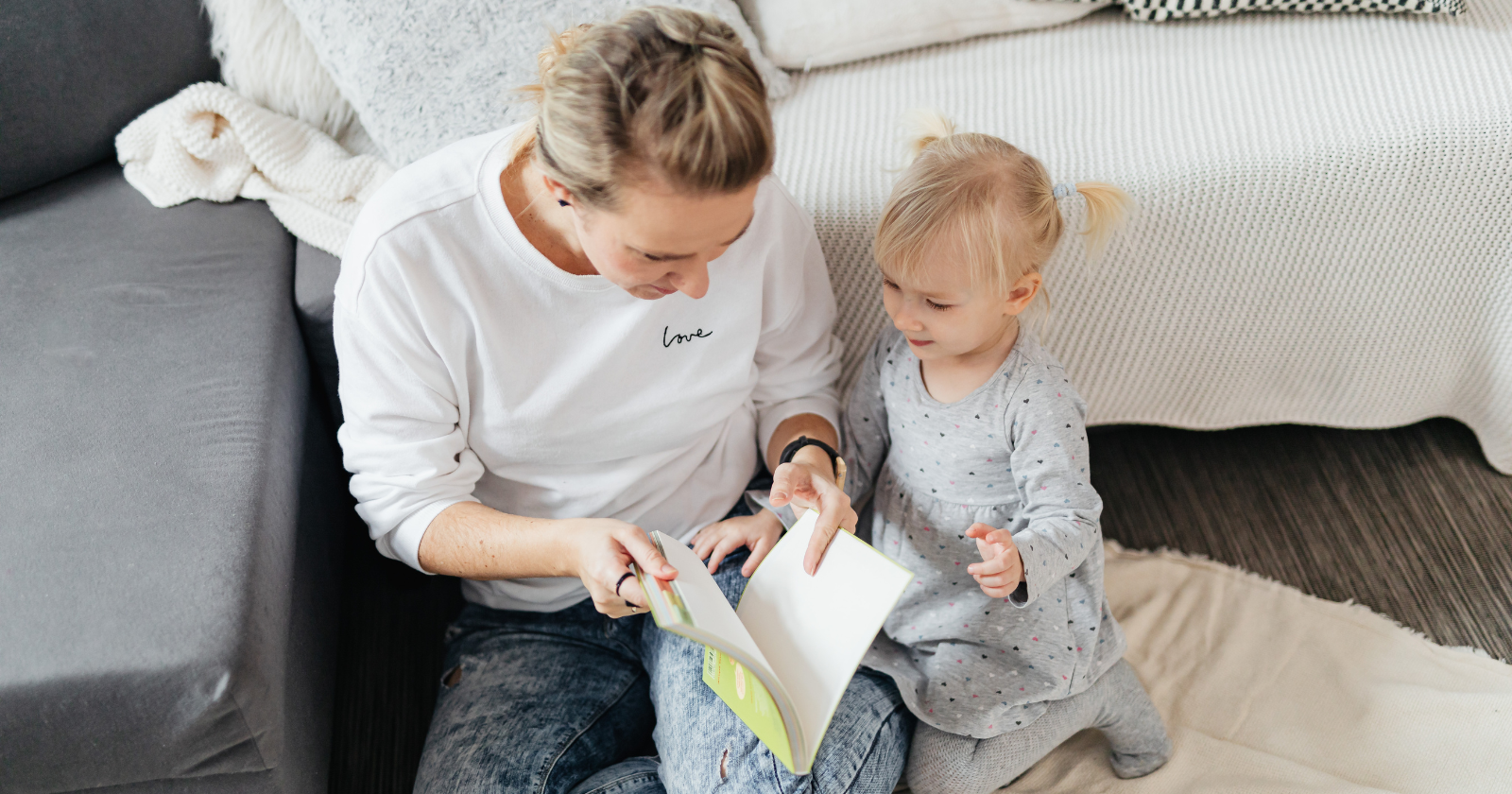
Children who are drawn to language often show early interest in the places where language lives: books, songs, nursery rhymes, and storytelling. If your toddler brings you the same board book seventeen times a day or bounces excitedly when a favorite song comes on, they’re showing you that words and sounds captivate them.
This doesn’t mean you need to drill flashcards or push formal learning. It simply means that exposure to rich, playful language is feeding something in your child’s developing brain.
Research from the National Association for the Education of Young Children has shown that children who are read to frequently tend to develop larger vocabularies and stronger language skills.
Follow your child’s lead. If they want to hear “The Wheels on the Bus” for the hundredth time, sing it with gusto. If they flip through the same picture book over and over, narrate what you see. These repetitive experiences are exactly what their brains need to absorb and eventually produce language.
7) They try to “talk” to other children or pets
There’s something endearing about watching a toddler babble seriously at the family dog or attempt conversation with another child at the playground. This social drive to communicate, even without real words, suggests that your little one understands language is for connecting with others.
Early talkers often seem eager to engage. They might approach other kids and launch into animated gibberish, clearly expecting a response. Or they’ll “chat” with a stuffed animal during pretend play, giving it a voice and a role in their imaginary world.
This desire to communicate socially is a strong indicator that verbal language will follow. Your child isn’t just learning words as labels. They’re learning that words are tools for relationships, for play, for getting needs met, for sharing joy. That understanding is the heart of language development.
Closing thoughts
Every child’s language journey is unique. Some little ones burst onto the scene with early words and never stop talking. Others take their time, quietly absorbing everything before surprising you with full sentences one day. Both paths are normal and healthy.
If you’re seeing some of these signs in your toddler, you can feel encouraged that their language development is moving along beautifully.
And if you’re not seeing them yet, that’s okay too. The most important thing you can do is keep talking, singing, reading, and connecting. Language grows best in the soil of relationship.
Trust your child’s pace. Celebrate the babbles, the points, the eye contact, the imitation. These are all words in the making. And one day soon, you’ll hear that little voice say something unmistakably clear, and you’ll realize they’ve been talking to you all along.
