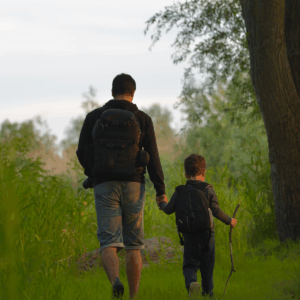

Last weekend, while pushing my youngest grandchild on the swing at our local park, she asked me something that stopped me in my tracks: “Grandpa, what were you like when you were little?”
Such a simple question, but it hit me like a ton of bricks.
Here I was, spending all this time with my grandkids, yet they knew so little about who I really was beyond just “Grandpa.” Sure, they knew I always had butterscotch candies in my pocket and that I’d let them stay up past bedtime when their parents weren’t looking. But did they know my dreams, my failures, what made me tick?
That got me thinking about all the conversations I never had with my own grandparents before they passed. All those stories lost forever, all that wisdom never shared.
If you’re anything like me, you probably assume there’s always more time. But here’s the thing: There isn’t.
And our grandchildren deserve to know the real us, not just the sanitized, cookie-baking version. They need to understand where they came from, what shaped their family, and yes, even our mistakes and regrets.
So here are seven things I believe every grandparent should share with their grandchildren while they still can. Not tomorrow, not next year, but now.
1) Tell them about your biggest failure and what it taught you
We tend to shield our grandkids from our failures, don’t we? We want to be their heroes, their source of comfort and wisdom. But here’s what I’ve learned: Sharing your failures makes you more human, more relatable.
I once got passed over for a huge promotion at work. I’d been with the company for fifteen years at that point, and I was certain I had it in the bag. When they gave it to someone else, I was devastated. For weeks, I moped around the house, bitter and resentful.
When I finally told this story to my oldest grandchild, his eyes widened. “But Grandpa, you always seem so confident!” That’s when I explained that confidence comes from learning to pick yourself up after you fall.
That rejection taught me to advocate for myself better, to ask for feedback, and ultimately led me to a different role that I loved even more.
Related Stories from The Artful Parent
- Research suggests the people who make you lower your guard when you first meet them aren’t more likable than everyone else — they’ve simply never confused being interesting with being interested, and the ones who figured out that distinction early have been the most magnetic people in every room they’ve ever walked into
- Psychologists claim a predictable life doesn’t damage the mind the way trauma does — it starves it, quietly and without drama, in the way that a body fed the same meal every day eventually stops being nourished by it no matter how nutritious the meal
- Psychology says people who educated themselves through curiosity instead of classrooms solve problems in a fundamentally different way — and these 8 traits explain why formal education can’t replicate what struggle teaches
Your grandkids need to know that failure isn’t final. It’s just part of the journey.
2) Share the story of how you met their grandmother (or grandfather)
Kids love a good love story, especially when it involves people they know. And trust me, your story is probably more interesting than you think.
I met my wife at a friend’s wedding when I was twenty-eight. I was actually trying to impress another woman at the reception, making a fool of myself on the dance floor.
My future wife was laughing at me from across the room. When I caught her eye, she didn’t look away. Instead, she walked over and said, “You dance like you’re being attacked by bees.”
Forty years later, she still makes fun of my dancing. But that moment, that spark of humor and honesty, that’s what built our life together.
Your grandchildren want to know that you were young once, that you fell in love, that you were nervous and awkward and human. These stories help them understand that relationships take work, humor, and sometimes a willingness to laugh at yourself.
- Research suggests the reason some people can live the same day on repeat for years without distress while others feel like they’re suffocating isn’t personality. It’s whether the routine was chosen deliberately or inherited by default, because the brain processes voluntary repetition as ritual and involuntary repetition as captivity. - Global English Editing
- Life isn’t a series of random events but a chess game where every move matters - Global English Editing
- Nobody tells you that the real threat to a long relationship isn’t the dramatic betrayal. It’s the Wednesday afternoon coffee where someone at work asks how you’re really doing and you actually answer honestly for the first time in months. - Global English Editing
3) Explain what you wished you’d done differently
This one’s tough, but it’s important. We all have regrets, paths not taken, words left unsaid. Sharing these with your grandchildren isn’t about burdening them with your baggage. It’s about giving them permission to make different choices.
I wish I’d spent less time at the office when my boys were young.
There were so many bedtime stories I missed, so many Saturday morning soccer games where I was physically present but mentally reviewing spreadsheets. I can’t get that time back, but I can make sure my grandchildren know that success isn’t just about career achievements.
Maybe you wish you’d traveled more, or learned that instrument, or told someone you loved them before it was too late. Whatever it is, share it. Let your grandchildren learn from your hindsight.
4) Describe what the world was like when you were their age
My eleven-year-old grandchild couldn’t believe that I grew up without the internet. “How did you do homework?” he asked, genuinely baffled. This led to a great conversation about library cards, encyclopedias, and actually having to talk to people to get information.
But beyond the technology, tell them about the culture, the music, the fears and hopes of your generation. I tell my grandkids about hiding under desks during Cold War drills, about watching the moon landing on a tiny black and white TV, about when gas was under a dollar.
These stories help them understand that the world is constantly changing, that what seems permanent now might be completely different when they’re grandparents. It gives them perspective and adaptability.
5) Tell them what you’re most proud of (and it’s not what they think)
When I ask my grandkids what they think I’m most proud of, they usually guess things like my job or their parents. But what I’m really most proud of is something much simpler: I kept showing up.
Through difficult times in my marriage, through job losses, through the death of my parents, through my own health scares, I kept showing up. I stayed married when it would have been easier to leave. I went to work when I wanted to stay in bed. I attended every family dinner, even when tensions were high.
As I’ve written before, consistency might not be glamorous, but it’s the foundation of everything worthwhile in life. Your grandchildren need to know that sometimes the greatest achievement is simply not giving up.
6) Share your beliefs about what happens after we die
Nobody likes talking about death, especially with children. But avoiding the topic doesn’t make it go away. Your grandchildren will face loss, and they’ll wonder what you believed, what comforted you.
I’m not saying you need to push any particular religious or spiritual view. Just share what gives you peace. For me, it’s the idea that we live on in the people we’ve loved and influenced. Every time my grandchildren show kindness, every time they persevere through difficulty, a part of me continues.
Whatever your beliefs, share them. It’s a gift to know what brought their grandparent comfort in the face of life’s biggest mystery.
7) Make sure they know what you see in them
This might be the most important one. Tell your grandchildren what unique qualities you see in them. Not generic praise, but specific observations about who they are becoming.
I tell my artistic grandchild that she sees beauty where others miss it. I tell my shy grandson that his thoughtfulness and ability to listen will take him far. I tell the little one that her fearlessness reminds me to be brave too.
These aren’t just compliments. They’re mirrors, helping your grandchildren see themselves through the eyes of someone who loves them unconditionally. When you’re gone, these observations become part of their internal voice.
Closing thoughts
Yesterday, during our usual park visit, my grandchild asked me another question: “Grandpa, will you always remember me?”
I told her the truth: “Always. And if you remember these stories I’m telling you, you’ll always remember me too.”
So here’s my question for you: What stories are you waiting to tell? What wisdom are you keeping to yourself? Our grandchildren don’t need us to be perfect.
They need us to be real, to be known, to leave them with more than just photographs and fuzzy memories.
Start today. Pick one story, one lesson, one piece of yourself to share. Because knowing where we come from helps us understand where we’re going. And isn’t that the greatest gift we can give?