
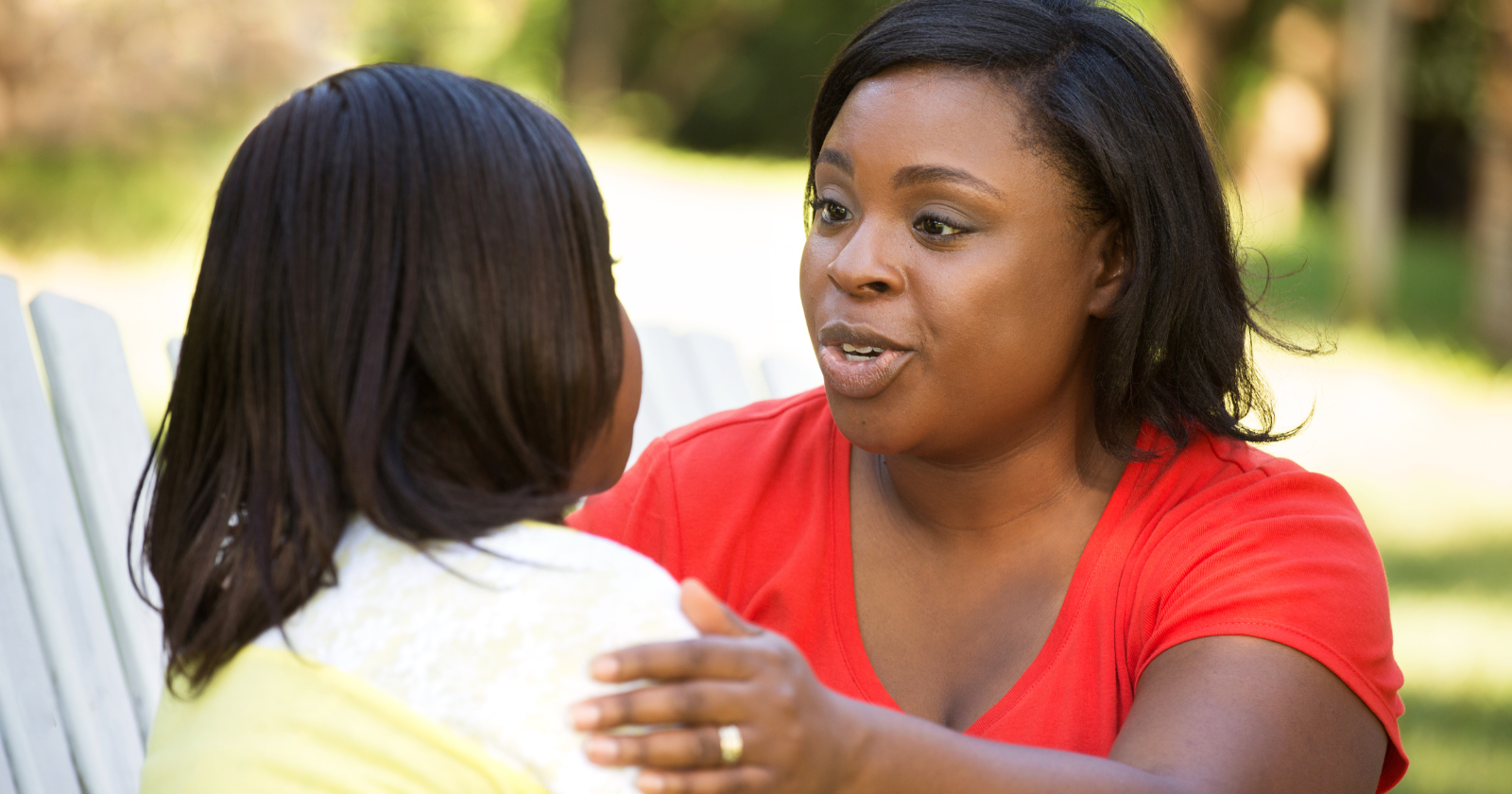
Looking back, I realize how different my childhood was from the one I’m creating for my kids. Growing up in a small Midwest town with traditional parents who meant well but kept emotions at arm’s length, I often heard phrases like “stop crying” or “because I said so.”
Now, as I watch my two little ones navigate their feelings, I’m struck by how much has changed in parenting—and how grateful I am for it.
After seven years teaching kindergarten, I thought I knew a thing or two about kids.
But becoming a mom taught me that emotional intelligence isn’t just something we teach; it’s something we model through every interaction. And it starts with the words we choose.
If you were lucky enough to have emotionally intelligent parents, you probably heard certain phrases that shaped how you see yourself and the world. These weren’t just words—they were gifts that built your emotional foundation, brick by brick.
1) “How did that make you feel?”
This simple question changes everything. Instead of being told how to feel or having feelings dismissed, emotionally intelligent parents create space for exploration.
I remember watching my daughter’s face crumple when a friend said she couldn’t play. My instinct was to fix it immediately, to march over and solve the problem.
But I stopped myself and asked instead, “How did that make you feel?” She thought for a moment, then said, “Sad and a little mad.” That acknowledgment alone seemed to lighten her load.
When parents ask this question regularly, kids learn that all feelings are valid. They develop emotional vocabulary. They understand that feelings aren’t good or bad—they just are. And most importantly, they learn they can trust their inner voice.
2) “It’s okay to make mistakes”
Have you ever met an adult who’s paralyzed by perfectionism? Chances are, they never heard this phrase growing up.
Just yesterday, my two-year-old knocked over his milk—again. The old me might have sighed heavily or shown frustration. But I caught myself and said, “Oops! Mistakes happen. Let’s clean it up together.” His little shoulders relaxed, and he eagerly grabbed a towel.
Related Stories from The Artful Parent
- Psychology says adult children who love their parents but avoid visiting them aren’t selfish — they’re protecting themselves from a role reversal their nervous system registers as existential threat
- Psychology says the best kind of parents aren’t the ones who sacrifice everything for their children — they’re the ones who model what a life worth living actually looks like, even when that means disappointing their kids in small ways
- A clinical psychologist explains that today’s parents give children more freedom, more voice, and more emotional validation than any generation before them, and the children are more anxious than ever — not because freedom is harmful, but because a child’s brain was never designed to carry the weight of unlimited choice before it can carry a conversation
Kids who hear this phrase learn that failure isn’t the end of the world. They become more willing to try new things, take healthy risks, and bounce back from setbacks. They understand that mistakes are how we learn, not proof that we’re inadequate.
3) “I’m sorry, I was wrong”
This might be the most powerful phrase on the list. Parents who apologize to their children teach humility, accountability, and the radical idea that adults aren’t infallible.
My traditional parents never apologized. If they made a mistake, we all just pretended it didn’t happen.
But when I snap at my kids after a long day (and yes, it happens), I make sure to circle back. “I’m sorry I used a grumpy voice. I was feeling overwhelmed, but that wasn’t fair to you.”
Children who hear genuine apologies learn that everyone makes mistakes, relationships can be repaired, and taking responsibility is a sign of strength, not weakness.
4) “What do you think we should do?”
Problem-solving isn’t just about finding solutions—it’s about believing you’re capable of finding them.
When my daughter comes to me with a problem, like not knowing what game to play with her brother who wants something different, I resist jumping in with my fix. “What do you think we should do?” often leads to surprisingly creative solutions I wouldn’t have thought of.
This phrase builds confidence and critical thinking skills. It shows kids their opinions matter and they have agency in their own lives. They learn to trust their judgment and develop independence gradually, with support.
5) “Your feelings matter to me”
In a world that often tells kids to be quiet, sit still, and not make waves, this phrase is revolutionary.
I think about all the times growing up when I felt unseen, when my emotions seemed like inconveniences to the adults around me.
Now, when my son is having a meltdown about leaving the park, I get down on his level and say, “Your feelings matter to me. I can see you’re really upset about leaving.”
Does it magically stop the tantrum? Not always. But over time, it builds something precious: the knowledge that he’s worthy of being heard, that his inner world has value, and that the people who love him will hold space for all of him—not just the easy parts.
6) “I believe in you”
These three words can echo through a lifetime.
When my daughter was learning to ride her bike, she kept wanting to give up. Instead of pushing or bribing, I simply said, “I believe in you. You’ll get it when you’re ready.” The shift in her face was immediate—from defeated to determined.
Kids who hear this develop what psychologists call a growth mindset. They understand that abilities can be developed, challenges can be overcome, and someone sees their potential even when they can’t see it themselves.
7) “Tell me more about that”
Curiosity about a child’s inner world sends a powerful message: You’re interesting, your thoughts have value, and I want to understand you better.
When my daughter shares her elaborate stories about leaf families or my son babbles about his fort construction plans, “tell me more about that” opens doors. It shows genuine interest, not just polite listening.
This phrase teaches kids that their ideas are worth exploring, their creativity is valued, and communication is a two-way street. They learn to elaborate, explain, and share more deeply because someone genuinely wants to know.
8) “I love you no matter what”
Unconditional love shouldn’t be rare, but for many of us, love felt tied to performance, behavior, or achievement.
After a particularly rough day when nothing went right and everyone was in tears (myself included), I tucked my kids in and whispered, “I love you no matter what. Good days, bad days, grumpy days, silly days—my love doesn’t change.”
Children who grow up hearing this develop secure attachment. They know they have a safe base to return to, no matter what risks they take or mistakes they make. This security becomes the foundation for healthy relationships throughout their lives.
The lasting impact
These phrases might seem simple, but their impact ripples through generations. Kids who hear them grow up to be adults who can navigate emotions, maintain healthy relationships, and raise emotionally intelligent children of their own.
If you heard these phrases growing up, you were given a gift. If you didn’t, like me, you have the power to start a new pattern. Every day, we get to choose whether we’ll repeat the past or create something better.
As I watch my kids play in the garden, dirt under their fingernails and joy on their faces, I think about the adults they’ll become. Will they remember the exact words I said? Maybe not.
But they’ll remember how those words made them feel: Seen, valued, capable, and deeply loved.
And that’s the real legacy of emotionally intelligent parenting—not perfect kids or perfect families, but human beings who know their worth and can extend that same grace to others.