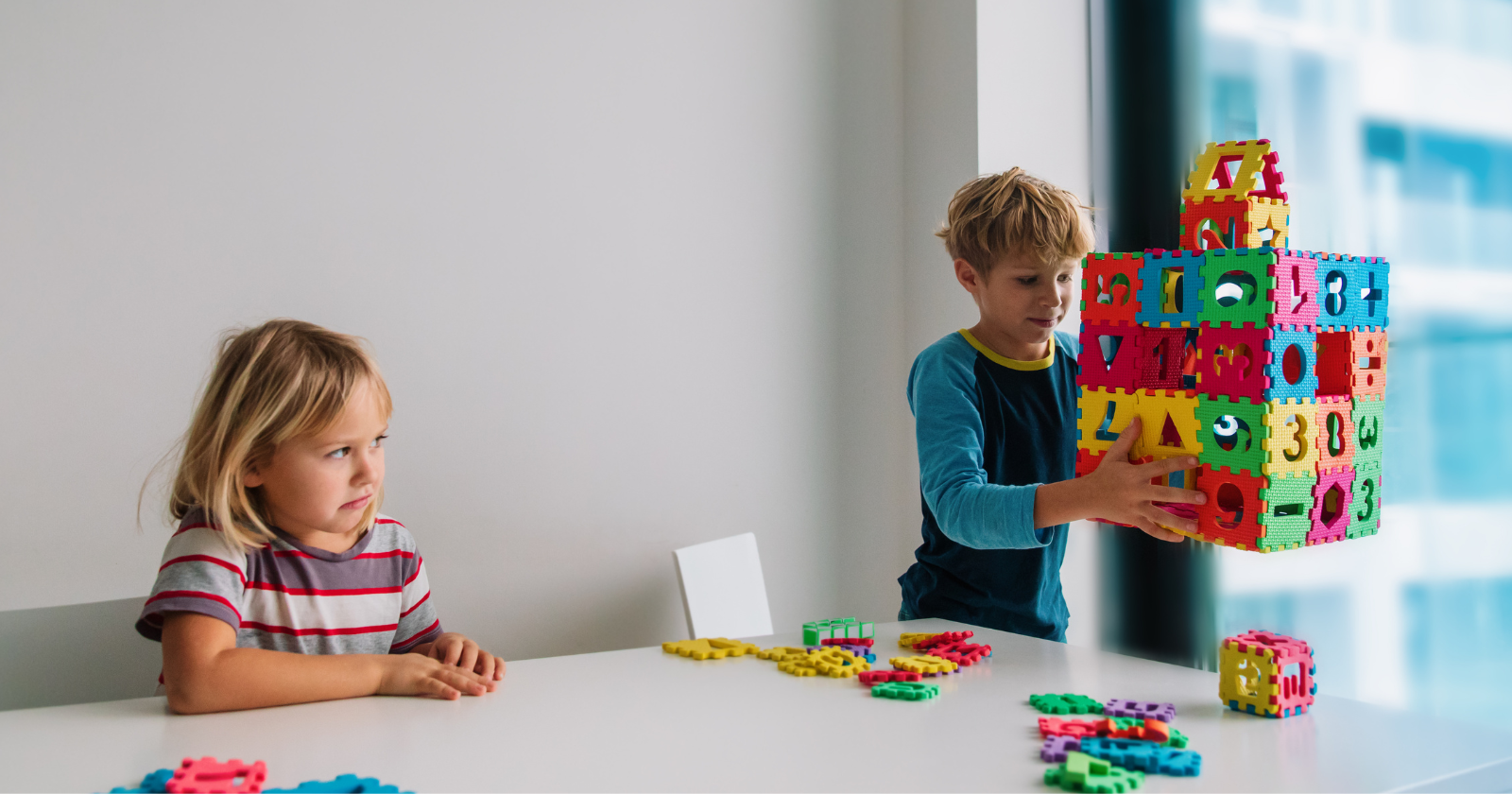
If you have more than one child, you know the sound. That rising pitch of voices from the other room. The inevitable “She started it!” followed by “No, he did!” It can wear you down, can’t it?
I raised three children, and now I watch my grandchildren navigate the same waters. What I’ve learned over the decades is this: the thing they’re arguing about is almost never the real issue. The toy, the seat in the car, who got more ice cream.
These are just the surface. Underneath, there’s usually something far more important going on. And once you understand what’s really driving the conflict, you can actually do something about it.
So let’s dig into the causes that most parents overlook, and more importantly, what you can do to address them.
1) They’re competing for your attention, not the toy
Here’s something that took me years to fully appreciate. When my kids would fight over something trivial, I’d focus on the object. Who had it first? Who deserves it more? But the object was rarely the point.
What they were really asking was: “Do you see me? Am I important to you?”
Children are remarkably perceptive. They notice when a sibling gets praised for a good grade. They notice when you spend an extra ten minutes at bedtime with their brother. They’re keeping a mental tally, even if they don’t realize it. And when that tally feels unbalanced, they act out. The toy becomes a proxy for your love and attention.
The fix here is surprisingly simple, though it requires intention. Carve out one-on-one time with each child. It doesn’t need to be elaborate. A walk to the corner shop. Ten minutes reading together before bed. What matters is that it’s theirs alone.
Research from the American Psychological Association consistently shows that children who feel securely attached to their parents display less rivalry with siblings. When they know they have your attention, they don’t need to fight for it.
2) Each child needs to feel uniquely valued
I’ve mentioned this before, but one of the biggest mistakes I made as a younger father was treating fairness as sameness. If one child got a new pair of shoes, everyone got new shoes. If one got to stay up late, they all did. I thought I was being equitable.
But here’s what I missed: children don’t actually want to be treated identically. They want to be seen as individuals.
Related Stories from The Artful Parent
- 8 signs you’re raising an emotionally secure child even when it doesn’t feel like you know what you’re doing
- 9 things creative kids do that look like misbehavior but are actually signs their mind is working overtime
- The 8 messiest childhood activities are actually the ones building your child’s brain in ways screens never will
When you treat everyone exactly the same, you inadvertently send the message that no one is special. And that can breed resentment. Your artistic daughter doesn’t need the same things as your sports-mad son. Recognizing their individual interests, strengths, and needs tells them, “I see who you are, and I value that.”
Try this: instead of giving equal things, give appropriate things. One child might need more help with homework. Another might need more physical affection. Another might need space to decompress after school. When each child feels that their unique needs are being met, the competition between them often softens. They’re no longer fighting to prove they matter because they already know they do.
3) They haven’t learned how to handle big emotions
Young children, and honestly many adults too, struggle to process intense feelings. Jealousy, frustration, feeling overlooked. These are complicated emotions. And when a child doesn’t have the tools to express them, those feelings come out sideways. Usually aimed at a sibling.
Think about it from their perspective. Your four-year-old can’t articulate, “I feel insecure about my place in this family since the baby arrived.” So instead, she pinches the baby when you’re not looking. It’s not malice. It’s communication.
As noted by Dr. Laura Markham, clinical psychologist and author of Aha! Parenting, “Children need help learning to manage their emotions. When we teach them to identify and express their feelings, we give them an alternative to acting out.”
Start by naming emotions for them. “You seem frustrated that your brother got to choose the movie.” “I wonder if you’re feeling left out.” This simple act of naming helps children understand their inner world. Over time, they learn to use words instead of fists. And that changes everything.
- Married couples without children who make it past twenty years together have survived something most people don’t recognize as difficult. They chose each other without a buffer, without a project, without a shared mission beyond the terrifying simplicity of just being two people who decided this was enough. - Global English Editing
- My parents never praised me for things I was supposed to do anyway — making my bed, doing my homework, being polite — and I grew up thinking they didn’t notice, until I realized they were teaching me that competence is its own reward, not something you perform for applause - Global English Editing
- A letter to anyone who worked for decades and still doesn’t feel wealthy — the problem isn’t that you failed, it’s that you were only ever given one definition of rich and it left out time, connection, peace, and health - Global English Editing
4) Your reaction might be reinforcing the behavior
This one stings a bit, but it’s worth examining. Sometimes, the way we respond to sibling conflict actually encourages more of it.
When my kids would fight, I’d often swoop in, play judge, and declare a winner and loser. What I didn’t realize was that I was teaching them that fighting gets my attention. Even negative attention is still attention. And for a child who feels overlooked, that’s a powerful reward.
I also fell into the trap of assigning roles. “Why do you always pick on your sister?” “You’re the older one, you should know better.” These labels stick. The “troublemaker” keeps making trouble because that’s who we’ve told them they are. The “responsible one” resents always having to be mature.
Try stepping back when conflicts arise. Unless someone is in danger, resist the urge to intervene immediately. Give them a chance to work it out. And when you do step in, focus on the problem, not the people. “There’s one toy and two kids who want it. What are some ways we could solve this?” You’d be amazed how creative children can be when given the chance.
5) They’re mirroring what they see
Children are always watching. How do you and your partner handle disagreements? How do you speak to your own siblings? What do they observe about conflict resolution in your home?
I remember a moment years ago when I heard my son say something sharp to his sister. The exact words I’d used with my brother on the phone the night before. It stopped me cold. He wasn’t being cruel. He was imitating what he’d learned.
This is backed by decades of research into social learning theory. Children model the behavior they observe, especially from parents. If they see you resolve conflicts with respect, listening, and compromise, they learn those skills. If they see yelling, stonewalling, or contempt, they learn those instead.
The good news is that this gives you tremendous power. You can teach conflict resolution simply by practicing it yourself. Let them see you apologize when you’re wrong. Let them hear you say, “I’m feeling frustrated, so I need a minute before we talk about this.” These moments are lessons, even when you don’t realize you’re teaching.
6) Birth order and family position play a role
There’s a reason your firstborn and your youngest seem to clash in predictable ways. Birth order shapes personality and behavior more than many parents realize.
Firstborns often feel the pressure of being the trailblazer. They had your undivided attention, then suddenly had to share it. Middle children can feel overlooked, caught between the achievements of the eldest and the attention lavished on the baby. Youngest children may feel they’re never taken seriously, always the “little one” no matter how old they get.
Understanding these dynamics helps you respond with more empathy. Your eldest might need reassurance that your love didn’t diminish when siblings arrived. Your middle child might need extra effort to feel seen. Your youngest might need opportunities to be treated as capable and competent.
As Psychology Today has explored, birth order influences everything from personality traits to relationship patterns. You can’t change where your children fall in the family lineup, but you can be mindful of how that position affects them.
7) They actually need more time together, not less
When siblings fight constantly, the instinct is to separate them. Give them their own space. Keep them apart. And sometimes that’s necessary in the moment. But here’s the counterintuitive truth: siblings who spend positive time together fight less overall.
The key word is positive. Structured activities where they must cooperate. Games where they’re on the same team. Projects they work on together. These shared experiences build connection and create good memories that balance out the conflicts.
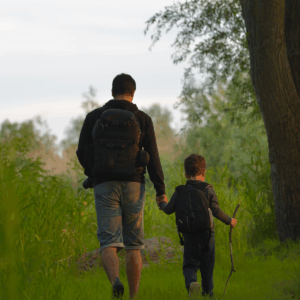
I used to take my grandchildren on what we call “adventure walks” in the park near my house. No agenda, just exploring together. Finding interesting rocks, watching the ducks, making up stories about the people we passed. During those walks, they rarely bickered. They were too busy being a team.
Look for opportunities to create these moments. Cooking a meal together. Building something. Working toward a shared goal. When children have a reservoir of positive experiences with their siblings, they’re more likely to give each other grace when tensions arise.
The long view
Here’s what I wish someone had told me when my children were young and the fighting felt endless: this is temporary, and it matters less than you think.
My three children are now adults with their own families. They’re close. They call each other, support each other, genuinely enjoy each other’s company. All those childhood battles? Mostly forgotten. What they remember is that our home was a safe place where they were loved.
Your job isn’t to eliminate sibling rivalry. That’s impossible and probably not even desirable. Some conflict teaches children how to navigate relationships, stand up for themselves, and eventually, forgive.
Your job is to address the underlying causes, give them tools to manage their emotions, and trust that the bond you’re helping them build will last.
So the next time the shouting starts from the other room, take a breath. Ask yourself what might really be going on beneath the surface. And remember that this too shall pass. What’s one small change you could make this week to help your children feel more seen?