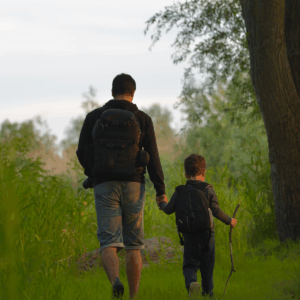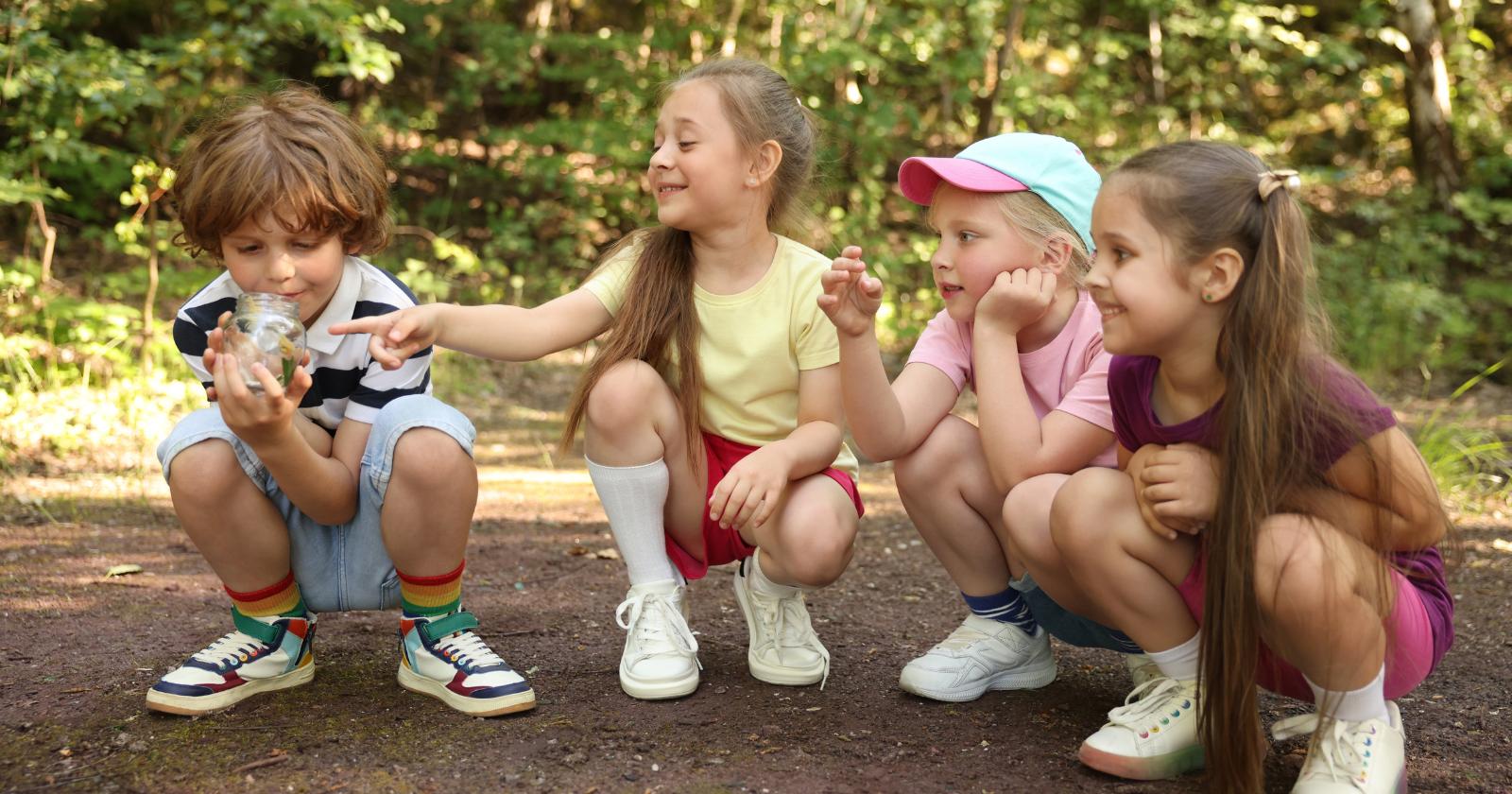
I watched my grandson at the playground last week, and something struck me.
A younger boy dropped his snack, clearly upset. Without missing a beat, my grandson walked over, helped him pick everything up, and offered half of his own crackers. No adult prompted him. No one was watching except me, half-hidden behind my newspaper.
Where did he learn that? Not from a classroom lesson or a social skills workbook. He learned it at home, from thousands of tiny moments around the dinner table, during car rides, and in the middle of sibling squabbles.
The truth is, children absorb their most important social lessons long before they step into a classroom. And the good news? You are already teaching them, whether you realize it or not.
1) They see emotions named and validated
Children who grow up hearing adults put words to feelings develop a vocabulary for their own inner world. When you say things like “I can see you’re frustrated because your tower fell down” or “It sounds like you’re feeling left out,” you are giving them tools they will use for the rest of their lives.
This goes beyond just labeling. It means sitting with the emotion instead of rushing to fix it. When a child feels genuinely heard, they learn that emotions are not dangerous or shameful. They are simply part of being human.
Research from the Gottman Institute has shown that children whose parents practice “emotion coaching” tend to have better peer relationships and stronger emotional regulation. The practice is simple but powerful: acknowledge the feeling, help them name it, and let them know it makes sense.
2) They witness healthy disagreement
Here is something that took me years to understand as a parent. Shielding children from all conflict does them no favors. What matters is not whether they see disagreements, but how those disagreements unfold.
When kids witness adults working through a problem with respect, staying calm, and reaching a resolution, they are getting a masterclass in conflict management. They learn that two people can disagree without the relationship falling apart. That is a lesson many adults still struggle with.
Of course, this does not mean exposing children to heated arguments or hostility. But letting them see you and your partner navigate a difference of opinion, apologize when needed, and move forward together? That is gold. They file it away and pull it out later when their best friend wants to play a different game or a classmate says something unkind.
3) They practice taking turns in conversation
Dinner time in our house growing up was chaotic. Five kids, two exhausted parents, and everyone talking over each other. But looking back, there was a rhythm to it. My mother had this way of drawing out the quieter ones. “We haven’t heard from you yet. What happened at school today?”
Children learn the back-and-forth of conversation by participating in it. They learn to listen, to wait, to respond to what someone else has said rather than just waiting for their turn to talk. These are skills that do not come naturally. They are practiced.
Family meals, car rides, and bedtime chats are all opportunities. Ask open-ended questions. Show genuine curiosity about their answers. And model what it looks like to really listen, not just nod while scrolling through your phone.
As noted by the American Psychological Association, responsive communication between parents and children builds the foundation for healthy relationships throughout life.
4) They are given responsibility for others
One of the best things my wife and I ever did was give our kids small responsibilities for each other. The older ones helped the younger ones with shoes. Everyone had a job at dinner. It was not about lightening our load, though that was a nice bonus. It was about teaching them that they mattered to the family unit.
When children are trusted with responsibility, they develop a sense of competence and belonging. They learn that their actions affect others. Caring for a pet, helping a sibling, or even setting the table for the family all send the same message: you are capable, and you are needed.
This sense of contribution carries over into friendships and group settings. Kids who have practiced being helpful at home are more likely to notice when a classmate needs assistance. They have already learned that looking out for others feels good.
5) They experience repair after rupture
No parent gets it right all the time. I certainly did not. There were moments I lost my temper, said the wrong thing, or was too distracted to notice what my child needed. What mattered was what happened next.
If you have read my previous posts, you may remember I have written about the power of apology. When we mess up and then come back to our children with a genuine “I’m sorry, I should not have raised my voice,” we are teaching them something profound. Relationships can bend without breaking. Mistakes can be repaired.
Children who experience this at home learn to do it themselves. They become the kids who can say “I’m sorry I hurt your feelings” on the playground and mean it. They understand that repair is part of connection, not a sign of weakness.
6) They see kindness modeled in everyday moments
Grand gestures are nice, but children learn kindness from the small stuff. How you speak to the cashier at the grocery store. Whether you hold the door for the person behind you. The way you talk about your neighbors when they are not around.
Kids are always watching. They notice if you complain about a coworker at dinner or if you mention something kind someone did. They pick up on whether you treat service workers with respect or impatience. All of this gets filed away and shapes their own behavior.
I remember my daughter, years ago, comforting a crying child at a birthday party. When I asked her about it later, she shrugged and said, “That’s what you do when someone is sad.” She had learned it from watching, not from being told.
7) They are allowed to make social mistakes
This one might be the hardest for parents. We want to protect our children from embarrassment, rejection, and failure. But hovering too closely robs them of the chance to learn.
When a child says something awkward, interrupts a conversation, or accidentally hurts a friend’s feelings, our instinct is to jump in and smooth things over. Sometimes that is necessary. But often, the better move is to step back and let them navigate the moment themselves.
Afterward, you can talk about it. “I noticed things got a little tense when you grabbed the toy. What do you think happened there?” This kind of reflection, without shame or lecture, helps children develop self-awareness. They start to connect their actions with outcomes and adjust accordingly.
The long view
Children learn best when they feel safe to make mistakes and are supported in understanding what went wrong. That safety starts at home.
Social skills are not something we can hand our children like a gift. They are built slowly, through hundreds of ordinary moments. The way we handle our own emotions. The conversations we have at dinner. The apologies we offer when we fall short.
You do not need a curriculum or a special program. You just need to keep showing up, imperfectly and consistently, and trust that your children are paying attention. Because they are. What is one small moment from this week where you might have taught your child something about connection without even realizing it?