
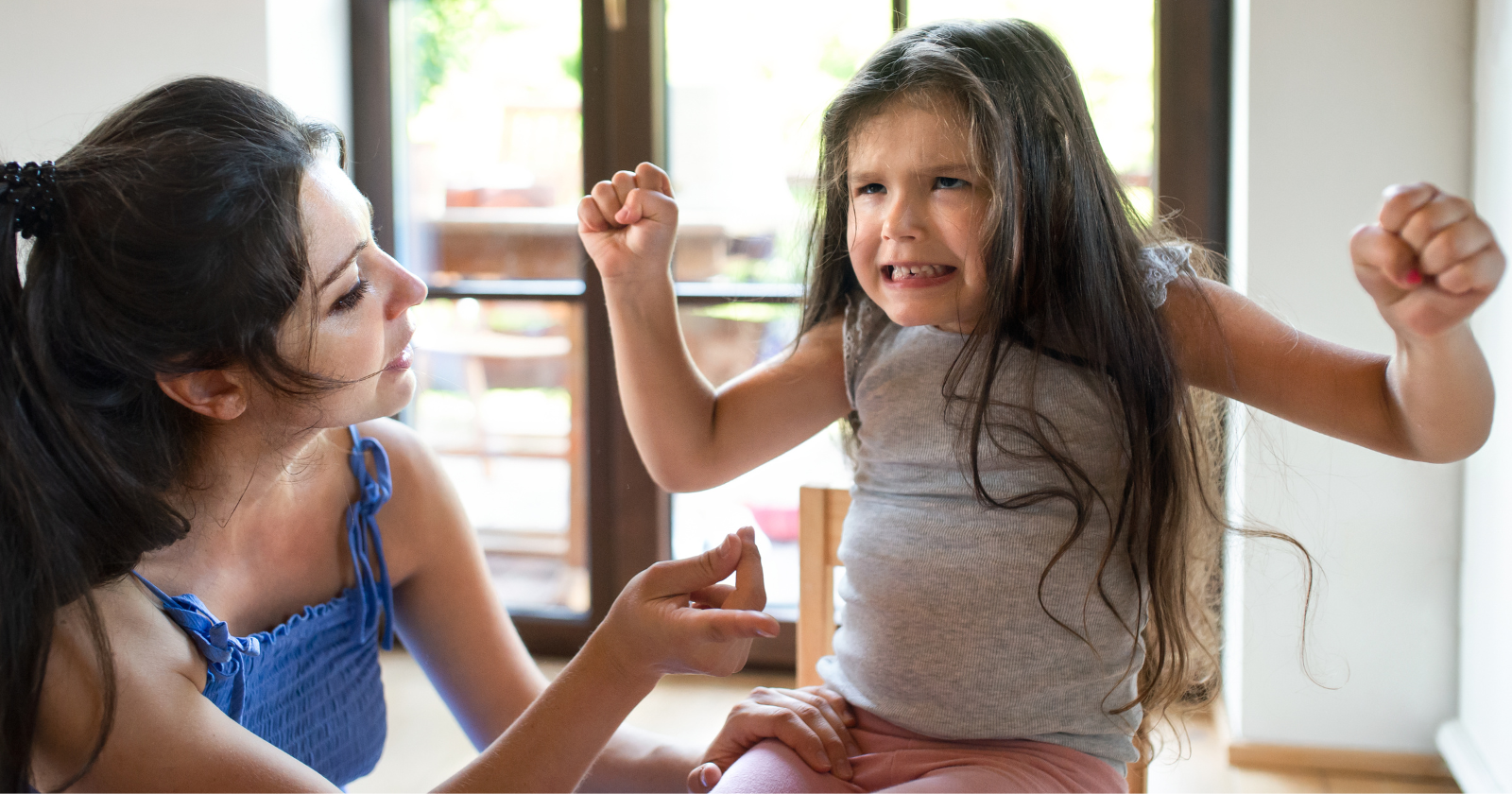
Ever feel like your kids roll their eyes at you more than they actually look at you? Like somehow, between the toddler years of “mama knows everything” and now, you’ve become the person they tune out, push back against, or worse, barely acknowledge?
I’ve been there. Just last week, my five-year-old told me I “never listen” right after I’d spent twenty minutes helping her sort her leaf collection. It stung. And it made me wonder: what am I doing that’s creating this distance?
The truth is, respect isn’t automatic just because we’re the parents. Sometimes our well-meaning habits actually push our kids away instead of bringing them closer. After some soul-searching (and yes, a few tears into my chamomile tea), I’ve identified eight habits that might be creating that disconnect we’re feeling.
1) Constantly correcting them in front of others
Remember when your mother-in-law visited and you couldn’t help but fix your child’s grammar three times during dinner? Or when you interrupted their story at the playground to remind them about manners while other parents watched?
I catch myself doing this all the time. My daughter will be excitedly telling her grandparents about our garden, and I’ll jump in with “Actually, honey, we planted those seeds last week, not yesterday.” Does it really matter? Not really. But each correction chips away at their confidence and tells them their voice isn’t quite good enough as is.
Kids need to feel heard and validated, especially in social settings. When we constantly correct them publicly, they learn to either shut down or rebel. Neither leads to the respectful relationship we’re hoping for.
2) Not following through on consequences
“If you don’t clean up these toys, we’re not going to the park tomorrow.” Sound familiar? But then tomorrow comes, the sun is shining, you need fresh air as much as they do, and suddenly you’re at the park anyway.
Here’s what I’ve learned the hard way: empty threats teach kids that our words don’t matter. Why should they respect what we say if we don’t even respect it ourselves? My two-year-old has already figured out which consequences I’ll actually enforce and which ones are just hot air.
The solution isn’t harsher punishments. It’s making realistic consequences we can actually follow through on, even when it’s inconvenient for us too.
3) Dismissing their feelings as “silly” or “dramatic”
When my daughter cried for thirty minutes because her favorite stick broke, my first instinct was to say “It’s just a stick!” But to her, that stick was a magic wand, a fairy sword, and her special treasure all rolled into one.
How often do we minimize what feels huge to them? “You’re being ridiculous.” “That’s nothing to cry about.” “You’re too sensitive.” These phrases teach kids that their emotional experiences aren’t valid, and eventually, they stop sharing them with us at all.
Related Stories from The Artful Parent
- Psychology says the children most shaped by toxic parenting rarely come from homes that looked broken, they come from homes that looked completely fine, and they spend their adult lives trying to explain a wound that has no obvious source
- There’s a specific kind of exhaustion that comes not from doing too much but from spending decades performing a version of yourself that was designed to make other people comfortable, until one morning you can’t remember what your face does when nobody is watching
- Behavioral scientists found that adults who describe themselves as ‘not creative’ almost always trace it back to a single moment in childhood when someone evaluated what they made instead of asking what it meant
4) Breaking their trust with “funny” stories
At last month’s BBQ, I caught myself mid-sentence about to share an embarrassing potty training story while my toddler was right there. Would I want someone sharing my embarrassing moments for laughs? Definitely not.
When we use their struggles or private moments as entertainment for other adults, we’re showing them their dignity matters less than a good story. They remember this betrayal, and it shapes whether they’ll trust us with their secrets as they grow.
5) Never admitting when we’re wrong
Last week, I accused my daughter of losing her library book. I was frustrated, tired, and sure she’d left it at the park. Twenty minutes into my lecture about responsibility, I found it in my tote bag.
The old me might have quietly put it on her shelf and moved on. Instead, I sat down, looked her in the eyes, and apologized. Really apologized. Not “Sorry, but you should still keep better track of your things.” Just “I was wrong, and I’m sorry I blamed you.”
Kids learn respect by seeing it modeled. When we can’t admit our mistakes, we’re teaching them that being “right” matters more than being kind.
6) Comparing them to others (including siblings)
“Why can’t you sit still like your sister?” I heard myself say this last Tuesday and immediately wished I could take it back. My son’s face fell, and he spent the rest of dinner barely eating.
- The movable type story and what it still means for creators building on borrowed ground - The Blog Herald
- The case for selling your own ad space as a blogger - The Blog Herald
- Psychology says the reason creative people struggle more than most with ordinary daily routines isn’t lack of discipline — it’s that their nervous system processes interruption as a genuine threat to the fragile mental state that makes the work possible - The Blog Herald
Comparisons never motivate the way we think they will. Instead, they create resentment, not just toward us but often toward the sibling or friend we’re holding up as the example. Each child deserves to be seen for who they are, not measured against who someone else is.
7) Using our phones while they’re trying to talk to us
This one hits close to home. How many times has my daughter started telling me about her day while I’m “just finishing this one email”? I nod along, throwing in the occasional “uh-huh,” but we both know I’m not really listening.
Then I wonder why she doesn’t want to share things with me anymore. Our devices send a clear message about priorities, and kids pick up on it immediately. They learn that the screen is more important than their stories, their questions, their presence.
8) Expecting gratitude for basic parenting
“After everything I do for you!” Have those words ever escaped your lips? Mine too. But here’s the uncomfortable truth: providing food, shelter, clothing, and love is literally our job as parents. They didn’t ask to be born.
When we demand gratitude for meeting their basic needs, we’re turning parenting into a transaction. Respect grows from connection, not obligation. The more we guilt them about what we provide, the more they’ll pull away from genuine appreciation.
Making peace with imperfection
Reading through this list, you might feel overwhelmed. I definitely do. The thing is, we’re all guilty of these habits sometimes. Being aware of them doesn’t mean we’ll never slip up again.
What matters is that we’re trying. That we’re willing to look at our own behavior and ask hard questions. That we can sit with our kids and say, “I’m still learning too.”
My relationship with my kids isn’t perfect. Some days are better than others. But since I’ve started catching myself in these moments and choosing differently, I’ve noticed small shifts. More spontaneous hugs. More unsolicited stories about their day. More genuine laughter at dinner.
Respect isn’t built overnight, and it definitely isn’t demanded into existence. It grows slowly, through countless small moments where we choose connection over control, understanding over being understood.
Our kids are watching everything we do, learning how relationships work, and deciding whether we’re safe people to be real with. Every time we choose to really see them, to honor their experiences, and to admit our own humanity, we’re building bridges instead of walls.
And those bridges? They’re what will carry our relationship through the teenage years and beyond.