

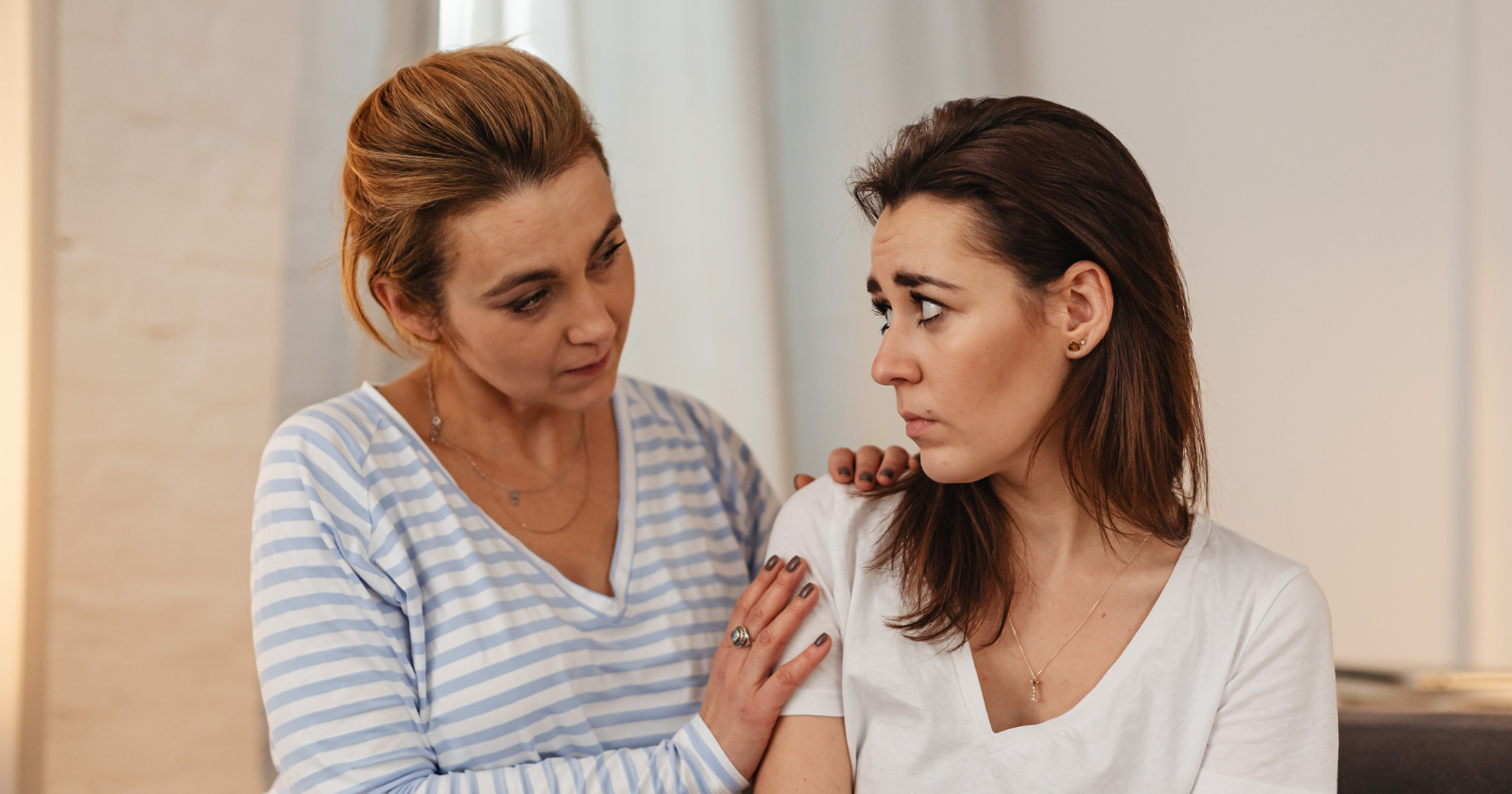
Picture this: Your teenager comes home with red-rimmed eyes, shoulders slumped, clearly carrying something heavy.
Do they head straight to their room, door clicking shut? Or do they find you, maybe not saying much at first, but settling nearby like they’re drawing comfort from your presence?
That moment reveals everything about the relationship you’ve built over the years.
I’ve been thinking about this a lot lately, especially as my kids navigate bigger emotions and trickier social situations. What makes some parents the safe harbor their children instinctively seek during storms?
Psychology has some fascinating answers, and I’ve noticed these patterns playing out in my own home and in families around me.
The truth is, becoming that trusted person doesn’t happen overnight. It’s built through countless small moments, daily choices, and the emotional culture we create at home.
If you’re wondering whether you’re building that kind of trust with your kids, here are the signs you’re on the right track.
1) You’ve mastered the art of listening without immediately fixing
When my little one comes to me upset about a playground incident, my first instinct used to be jumping straight into problem-solving mode. But I’ve learned that rushing to solutions often shuts down the conversation before it really begins.
Kids who trust their parents in crisis have experienced something powerful: being truly heard. These parents have phrases like “tell me more” and “I’m listening” on repeat. They resist the urge to interrupt with advice or minimize feelings with quick reassurances.
Research shows that children whose emotions are validated develop stronger emotional intelligence and are more likely to share difficulties as they grow. So when your child knows you’ll listen first and advise second (if at all), you become their go-to person when things get tough.
2) Your kids have seen you handle your own emotions honestly
Ever noticed how kids watch everything we do? They’re learning emotional regulation not from what we preach but from what we practice.
Related Stories from The Artful Parent
- There are three stages to calling your aging parent. First you call because you want to. Then you call because you should. Then you call because you’re running out of calls and you’ve started counting without meaning to. Most people are in the second stage and pretending they’re still in the first.
- Psychology says adult children who love their parents but avoid visiting them aren’t selfish — they’re protecting themselves from a role reversal their nervous system registers as existential threat
- Psychology says the best kind of parents aren’t the ones who sacrifice everything for their children — they’re the ones who model what a life worth living actually looks like, even when that means disappointing their kids in small ways
If you’re someone who acknowledges when you’re frustrated, takes deep breaths in front of your kids, or says things like “I need a moment to calm down,” you’re teaching invaluable lessons. You’re showing them that everyone has big feelings and that there are healthy ways to process them.
Creating a family culture with emotional openness means your children see emotions as normal, manageable parts of life rather than shameful secrets to hide.
3) You allow space for all feelings, even the uncomfortable ones
Here’s something I’m working on: not rushing my kids to “fine.” When they’re angry, scared, or disappointed, I’m learning to sit with them in those feelings instead of trying to fast-forward to happiness.
According to child development experts, parents who accept the full spectrum of emotions raise children who are more emotionally resilient. These kids learn that all feelings are temporary and survivable, which makes them more likely to reach out during emotional crises rather than suffering alone.
Does this mean letting tantrums run wild? Not at all. It means acknowledging the feeling while still maintaining boundaries around behavior.
4) You practice repair quickly when things go wrong
Nobody’s perfect, and honestly, trying to be would probably damage the relationship more than the occasional mistake. What matters is what happens after we mess up.
When I lose patience (because let’s be real, it happens), I make sure to circle back once everyone’s calmer. A simple “I’m sorry I raised my voice. I was frustrated, but that wasn’t okay” goes miles toward maintaining trust.
Repair is actually where secure attachment gets strengthened. Kids learn that relationships can weather storms and that people who love each other can work through conflicts together.
5) Your children know your love isn’t conditional on their achievements
Do your kids know you love them just as much when they fail the math test as when they ace it? When they’re in trouble as when they’re being praised?
Children who feel unconditionally accepted are far more likely to come to parents when they’ve made mistakes or are facing problems. They know the response will be support rather than withdrawal of affection.
This doesn’t mean no consequences or boundaries. It means your love remains steady even when you’re addressing behavior that needs to change.
6) You share your own struggles appropriately
There’s a balance here, but kids benefit from seeing that parents face challenges too. When I share age-appropriate struggles and how I’m working through them, it normalizes difficulty and problem-solving.
Maybe it’s mentioning that I felt nervous before a big meeting, or that I had to apologize to a friend after a misunderstanding. These glimpses into adult problem-solving give kids templates for handling their own challenges.
7) You respect their privacy while staying available
As kids grow, they need space to process things independently. Parents who become crisis confidants understand this delicate balance.
You check in without interrogating. You notice changes without demanding immediate explanations. You make yourself available without hovering. This respectful distance actually draws kids closer when they really need support.
8) Your home feels like a judgment-free zone
When kids mess up, what’s the atmosphere at home? Is there immediate anger and disappointment, or is there curiosity and problem-solving?
Homes where mistakes are treated as learning opportunities rather than character flaws produce kids who aren’t afraid to admit when they’re in over their heads. They know coming forward with problems won’t result in harsh judgment or punishment.
9) You’ve built routines that create connection
Regular moments of connection during calm times build the foundation for crisis communication. Maybe it’s bedtime talks, car rides, or cooking together.
These routine touchpoints mean communication channels are already open when something big happens. Your child doesn’t have to break through awkwardness or distance because you’re already connected.
10) Your kids have witnessed you seeking support when you need it
Whether it’s calling a friend when you’re overwhelmed, asking your partner for help, or even mentioning therapy, showing kids that seeking support is normal and healthy sets a powerful example.
Children who see parents modeling help-seeking behavior internalize that needing support isn’t weakness. They learn that strong people ask for help when they need it.
Final thoughts
Building this kind of trust with our kids is really about creating an emotional environment where they feel safe being human. It’s about showing them through our actions that we can handle their big feelings, their mistakes, and their struggles without falling apart or pushing them away.
Some days I nail it. Other days, I’m doing damage control and trying again tomorrow. But every time we choose listening over lecturing, curiosity over judgment, and repair over perfection, we’re depositing into that trust account.
The beautiful thing? It’s never too late to start building this relationship. Whether your kids are toddlers or teenagers, these practices can transform how they see you as a resource during tough times. Because at the end of the day, being the person your child turns to in crisis is one of the greatest privileges of parenthood.
