
There’s a certain pressure that comes with wanting to be a connected family. You see the elaborate vacation photos, the themed birthday parties, the perfectly curated craft projects. And somewhere in the back of your mind, you wonder if you’re doing enough to build those bonds that last.
Here’s what I’ve learned after years of chasing that feeling: the moments that actually stick aren’t the big productions. They’re the small, repeatable, almost boring rituals that happen when nobody’s watching.
The stuff that doesn’t make it to social media because it looks too ordinary. But ordinary, done consistently, becomes extraordinary over time. These ten activities aren’t flashy. They don’t require much planning or money. But they work.
1) Cook a meal together, even if it’s messy
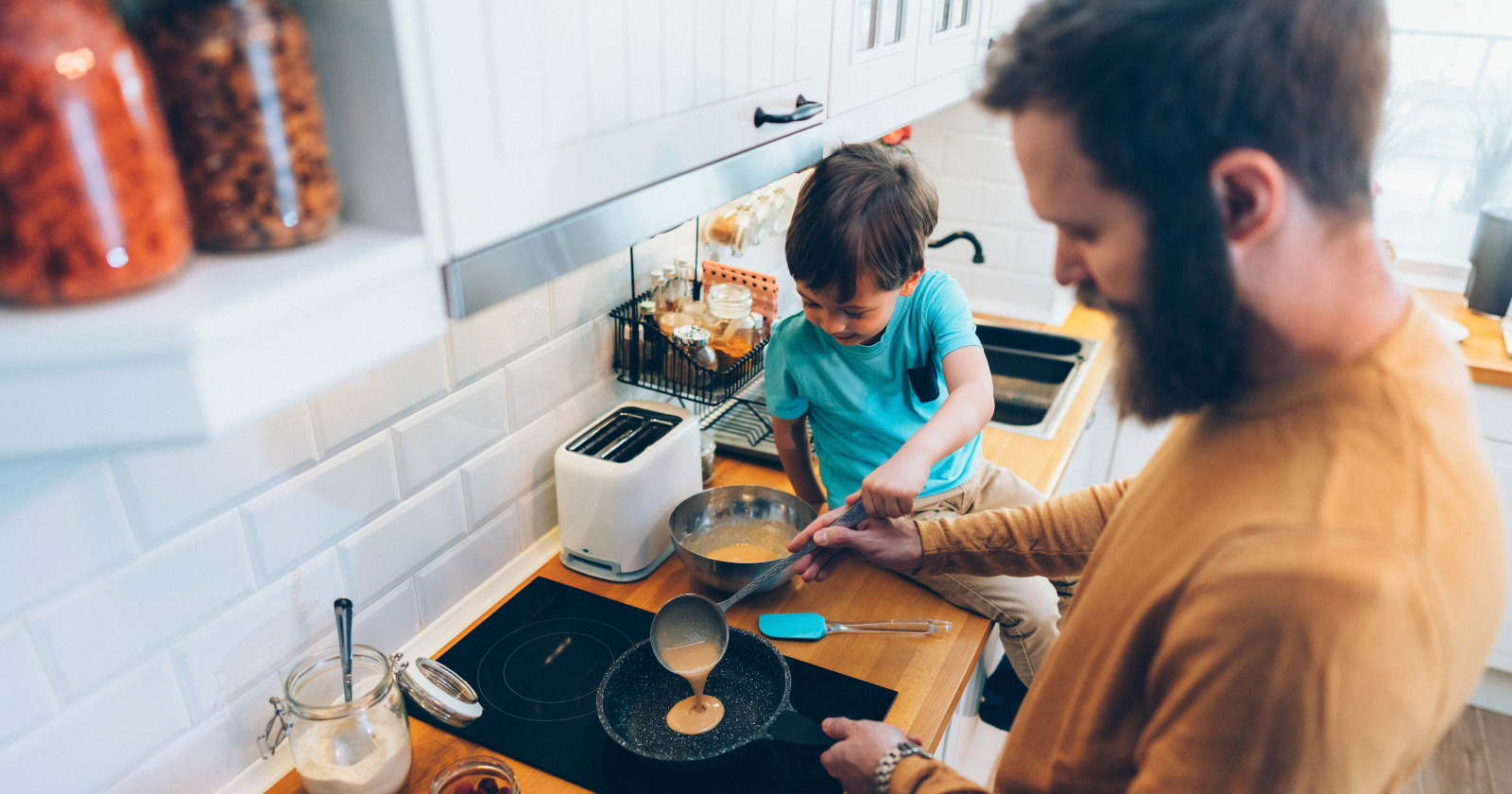
I used to think cooking with kids meant slowing everything down and accepting a flour-covered kitchen. I wasn’t wrong about that. But what I didn’t expect was how much conversation happens when everyone’s hands are busy. There’s something about standing side by side, focused on a task, that opens kids up in ways that sitting face-to-face doesn’t.
Even toddlers can tear lettuce, stir batter, or press cookie cutters into dough. Older kids can chop vegetables or measure ingredients. The point isn’t to create a gourmet meal. The point is to work toward something together and then sit down and enjoy what you made as a family.
Research from the American Psychological Association consistently shows that shared family meals are linked to better emotional well-being in children. Cooking together just extends that benefit and gives everyone a stake in the outcome.
2) Take a walk with no destination
We call them “wander walks” in our house. No agenda, no step count to hit, no playground as the finish line. Just movement and whatever catches our attention along the way. A cool rock. A neighbor’s cat. The way the light hits the trees.
These walks have become some of my favorite moments with the kids. Julien rides in the carrier, usually half-asleep by the second block. Elise asks a thousand questions about everything we pass. And I get to just be present, not rushing toward the next thing on the list.
Walking together removes the distractions of home. No toys competing for attention, no screens, no dishes in the sink calling your name. It’s just you and your people, moving through the world at whatever pace feels right. If your kids are older, these walks can become the space where real conversations happen, the kind that don’t start on command.
3) Read aloud, even to kids who can read themselves
There’s a reason bedtime stories are such a universal ritual. The closeness of it, the shared imagination, the way a story creates a little world that only exists between the reader and the listener. But somewhere along the way, we tend to stop reading aloud once kids can read on their own. That’s a missed opportunity.
Reading aloud to older kids, whether it’s a chapter book, a graphic novel, or even an interesting article, keeps that connection alive. It gives you something to talk about, characters to root for together, and a reason to slow down at the end of the day.
Related Stories from The Artful Parent
- 8 signs you’re raising an emotionally secure child even when it doesn’t feel like you know what you’re doing
- 9 things creative kids do that look like misbehavior but are actually signs their mind is working overtime
- The 8 messiest childhood activities are actually the ones building your child’s brain in ways screens never will
As noted by literacy expert Jim Trelease in “The Read-Aloud Handbook,” reading aloud builds vocabulary, strengthens attention spans, and creates positive associations with books. But honestly? The bonding is reason enough.
4) Create a weekly family meeting
This one sounds formal, but it doesn’t have to be. A family meeting can be ten minutes on Sunday evening where everyone shares one thing they’re looking forward to and one thing they need help with. It can be a chance to plan the week, divvy up responsibilities, or just check in.
What makes it powerful is the consistency. When kids know there’s a regular time to be heard, they start to trust the process. They bring up things that might otherwise get lost in the chaos of daily life. And parents get a chance to model how to listen, problem-solve, and make decisions together.
Keep it light. Maybe there’s a special snack involved. Maybe you end with a quick game. The structure matters less than the showing up.
5) Play their game, their way
This one requires letting go of control, which, if you’re anything like me, doesn’t come naturally. But there’s real magic in letting your kid lead the play. You’re the customer at their pretend restaurant. You’re the patient while they’re the doctor. You follow their rules, even when they change mid-game.
Child development experts call this “child-led play,” and it does a lot of heavy lifting for your relationship. It tells your kid that their ideas matter, that their world is worth entering, and that you’re not always the one in charge. That last part is especially important for kids who spend most of their day being told what to do.
Fifteen minutes of fully present, child-led play can fill a connection tank faster than an hour of distracted togetherness. Put the phone in another room. Get on the floor. Let them be the boss for a bit.
6) Share “highs and lows” at dinner
This is a simple one, but it’s become non-negotiable in our house. At dinner, everyone shares one high and one low from their day. Even Elise, at four, has gotten the hang of it. Sometimes her low is that her banana broke. Sometimes it’s something that actually helps us understand what’s going on in her world.
The practice does a few things. It normalizes talking about hard stuff. It teaches kids that everyone has ups and downs, including their parents. And it creates a daily rhythm of reflection that builds emotional literacy over time.
For younger kids, you might need to prompt with specifics: “What made you laugh today? What made you feel frustrated?” For older kids, the open-ended format usually works. Either way, the habit of sharing keeps communication lines open as kids grow.
7) Work on a project together over time
Not everything has to be finished in one sitting. In fact, some of the best bonding happens when you’re working toward something that takes weeks or even months. A puzzle that lives on the dining room table. A garden you plant and tend together. A model you build piece by piece.
Long-term projects teach patience and delayed gratification, sure. But they also create a shared story. “Remember when we finally finished that puzzle?” “Remember when the tomatoes finally turned red?” These become family memories that feel earned because they took effort.
The key is choosing something that genuinely interests your family. Don’t force a project because it seems educational or impressive. Pick something you’ll actually want to return to, again and again.
8) Establish a special one-on-one ritual
If you have more than one child, you know how rare it is to get time alone with each of them. But that individual attention matters. Kids need to feel seen as themselves, not just as part of the sibling unit.
It doesn’t have to be elaborate. Maybe it’s a monthly breakfast date. Maybe it’s a walk around the block before bed. Maybe it’s letting one kid stay up fifteen minutes later for some quiet time together. The ritual itself matters less than the consistency and the message it sends: you are worth my undivided attention.
According to research published in the Journal of Marriage and Family, one-on-one time with parents is associated with fewer behavioral problems and stronger parent-child relationships. Even small doses make a difference.
9) Let them teach you something
Kids are learning constantly, and they love to share what they know. Flipping the script and letting your child be the expert is a powerful way to build their confidence and strengthen your bond.
Ask your kid to teach you the rules of their favorite game. Have them show you how to draw their favorite character. Let them explain the plot of the book they’re reading or the mechanics of the video game they’re obsessed with. Listen like you mean it, because you should.
This works especially well with older kids and teens, who often feel like their interests are dismissed or misunderstood. When you approach their world with genuine curiosity, you’re saying: I respect you. I want to understand what matters to you. That goes a long way.
10) Do nothing together, on purpose
This might be the hardest one for busy parents. We’re so conditioned to fill every moment with activity, learning, enrichment. But some of the deepest connection happens in the in-between moments. Lying on the couch together. Watching clouds. Sitting on the porch while the kids play in the yard.
Boredom gets a bad reputation, but shared downtime is actually fertile ground for spontaneous conversation, silly games, and the kind of relaxed presence that’s hard to manufacture. It tells your kids that being together is enough, that they don’t have to perform or produce to earn your attention.
As Dr. Stuart Brown, founder of the National Institute for Play, has noted, unstructured time is essential for creativity and emotional health. Doing nothing isn’t lazy. It’s necessary.
Closing thoughts
Strong families aren’t built in a single vacation or a perfectly executed holiday. They’re built in the small, repeated moments that add up over years. The walks. The meals. The rituals that become so familiar they feel like home.
You don’t need to overhaul your life to create connection. You just need to show up, consistently, in ways that fit your family’s rhythm. Some weeks that might mean a big adventure. Most weeks it’ll mean the quiet stuff: reading together, sharing your day, letting your kid lead the play.
That’s enough. More than enough, actually. The bond is in the showing up.