

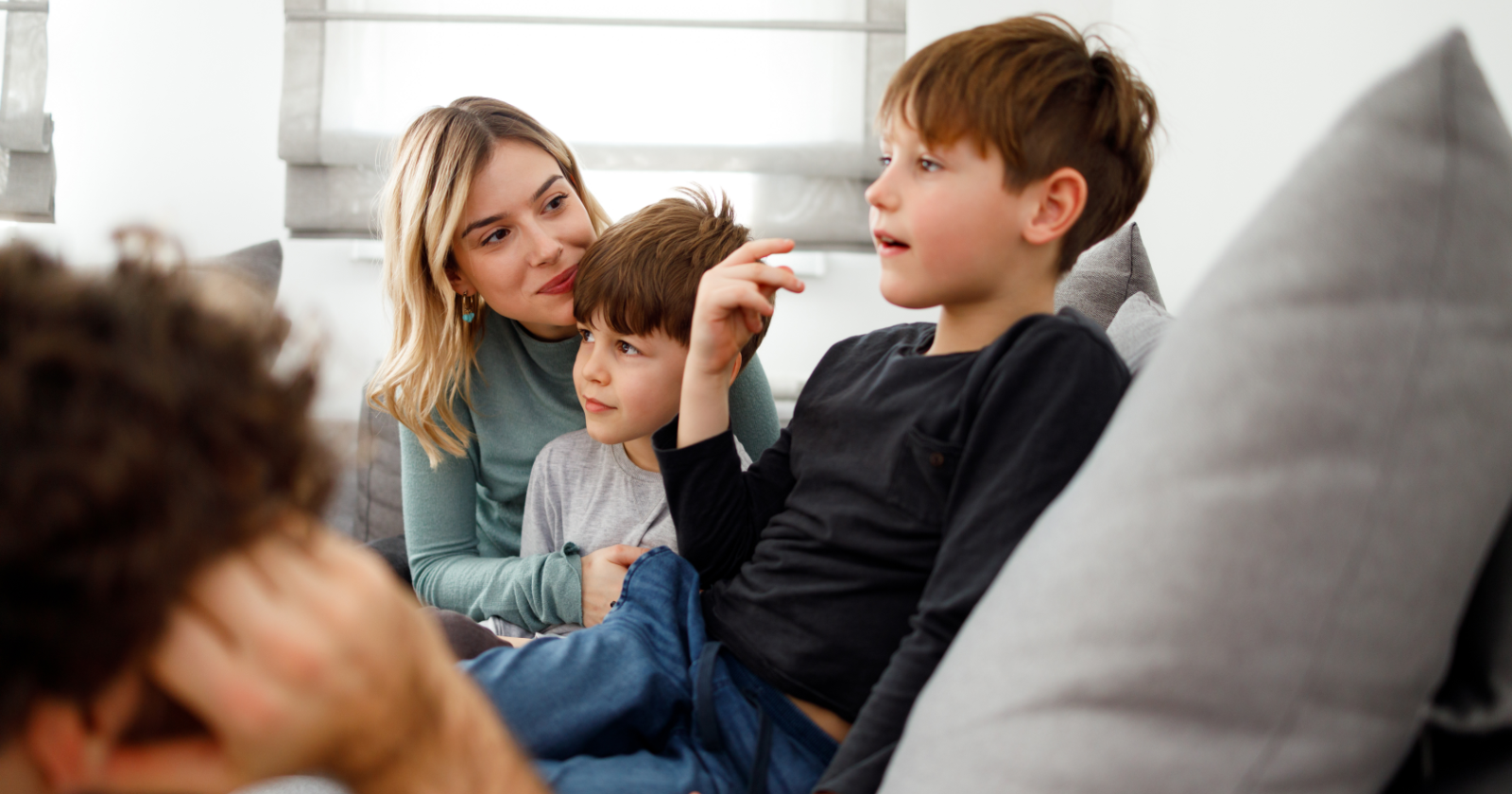
I was helping my mom clear the Thanksgiving dishes when my five-year-old piped up from the living room: “Mommy always makes everything special and different. She’s not like other moms.”
My heart swelled for about two seconds. Then my cousin asked her what she meant, and she continued: “Like when everyone brings normal snacks to school, Mommy brings weird ones. And we can’t watch the shows my friends watch. And she makes us play outside even when it’s cold.”
The room went quiet. My husband squeezed my shoulder, but I felt my cheeks burning. My mother-in-law jumped in with something about how lucky the kids are, but the damage was done.
Through my daughter’s innocent eyes, I wasn’t the mindful, intentional parent I thought I was. I was the weird mom. The one who makes things difficult. The one who stands out for all the wrong reasons.
That was two weeks ago, and I still can’t stop thinking about it.
When your values become their burden
You know that feeling when you’re so sure you’re doing the right thing, and then reality hits you like a bucket of cold water? That’s where I am right now.
For years, I’ve carefully curated our family life around what I believed was best. Organic food, limited screens, lots of outdoor time, homemade everything.
I left my teaching job after seven years because I wanted to be fully present for my kids. I wanted to give them what I thought was a childhood worth having.
But hearing my daughter describe our life through her lens? It stung. Really stung.
She wasn’t wrong about any of it. I do send different snacks. Those little packets of homemade trail mix and cut vegetables probably do look weird next to the colorful pouches and crackers her friends have.
We don’t have tablets for car rides. We spend Saturdays at the farmers market instead of the indoor play place.
Related Stories from The Artful Parent
- Psychology says the best kind of parents aren’t the ones who sacrifice everything for their children — they’re the ones who model what a life worth living actually looks like, even when that means disappointing their kids in small ways
- A clinical psychologist explains that today’s parents give children more freedom, more voice, and more emotional validation than any generation before them, and the children are more anxious than ever — not because freedom is harmful, but because a child’s brain was never designed to carry the weight of unlimited choice before it can carry a conversation
- Most people assume the grandmother who keeps calling even when nobody picks up is lonely — they don’t realize she’s doing the only thing she knows how to do with love that no longer has anywhere to land
What kills me is that she didn’t say it with pride or joy. She said it like she was explaining something she had to deal with. Something that made her different in ways she didn’t ask for.
The fine line between intentional and insufferable
My parents think I’m overthinking this. “Kids always think their parents are weird,” my mom said when I called her crying that night. Maybe she’s right. But there’s something about hearing it from your own child that makes you question everything.
Have I become that mom? The one other parents roll their eyes at? The one whose kids feel like they have to apologize for or explain?
I think about all the birthday parties where I’ve shown up with homemade cupcakes made with honey instead of sugar, while other parents brought perfectly fine store-bought treats.
The playdates where I’ve suggested nature walks while other moms were fine with letting kids watch a movie. The times I’ve gently redirected conversations about certain TV shows because we don’t watch them in our house.
I told myself I was modeling values. Teaching them to appreciate simple things. Building their connection to nature and real food. But what if I’m just making them feel isolated? What if my “better” choices are actually making their lives harder?
Looking in the mirror hurts sometimes
After everyone left that night, I sat with my husband on the couch while the kids slept. “Am I that bad?” I asked him. He chose his words carefully, which told me everything.
“You’re an amazing mom,” he said. “But sometimes… sometimes I wonder if we could ease up a little. Let them just be kids without so much intention behind everything.”
Ouch.
He mentioned how my daughter had asked why she couldn’t have the yogurt pouches her friend had at lunch. How my two-year-old had a meltdown at a playdate because he wanted to watch the show all the other toddlers were watching.
Small moments I had brushed off as teaching opportunities. But maybe they were adding up to something bigger.
The truth is, I know I can be intense about this stuff.
When you’ve spent hours researching the best approaches to everything from birth to breakfast cereals, it’s hard to let go.
When you’ve built your identity around being the mom who does things differently, who makes thoughtful choices, who doesn’t just go with the flow… well, flowing becomes really hard.
Finding balance without losing myself
So where does this leave me? I’ve been wrestling with this for days, swinging between doubling down on my convictions and throwing it all out the window.
Part of me wants to show up at school pickup with a bag of conventional chips and a tablet loaded with whatever cartoon is popular right now. Look, I’m normal! I’m fun! I’m not the weird mom!
But that’s not me either. And more importantly, I don’t think that’s what my kids need.
What they might need is a mom who can hold her values a little more lightly. Who can make choices without making everything a statement. Who can say yes to the occasional pouch of squeezable applesauce without feeling like she’s betraying everything she stands for.
I’m starting small. Last week, I bought the yogurt pouches. Organic ones, because I’m not ready to completely abandon ship, but still. My daughter’s face lit up like Christmas morning. “The ones my friends have!” she squealed. Such a small thing, but it mattered to her.
We also had our first family movie afternoon last weekend. Yes, in the middle of a perfectly good Saturday when we could have been outside. The kids were thrilled. My son kept looking at me like he couldn’t believe this was really happening.
The lesson in the hurt
Maybe this is what growth looks like as a parent. Not the Instagram-worthy moments of kids foraging for mushrooms or kneading bread dough, but the uncomfortable reckonings with who we’ve become and how it’s affecting the people we love most.
I still believe in most of what I’m doing. I still think less screen time is better, that real food matters, that outdoor play is irreplaceable. But I’m learning that rigid anything, even rigid goodness, can become its own kind of problem.
My daughter didn’t mean to hurt me that Thanksgiving evening. She was just being honest about her experience. And honestly? I needed to hear it. I needed to see myself through her eyes, even if what I saw made me cringe.
Because at the end of the day, I don’t want to raise kids who resent the childhood I gave them. I want to raise kids who feel loved, accepted, and yes, maybe a little bit normal sometimes. Even if their mom is still figuring out what that looks like.
