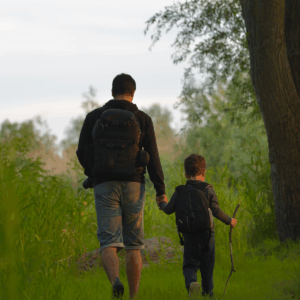
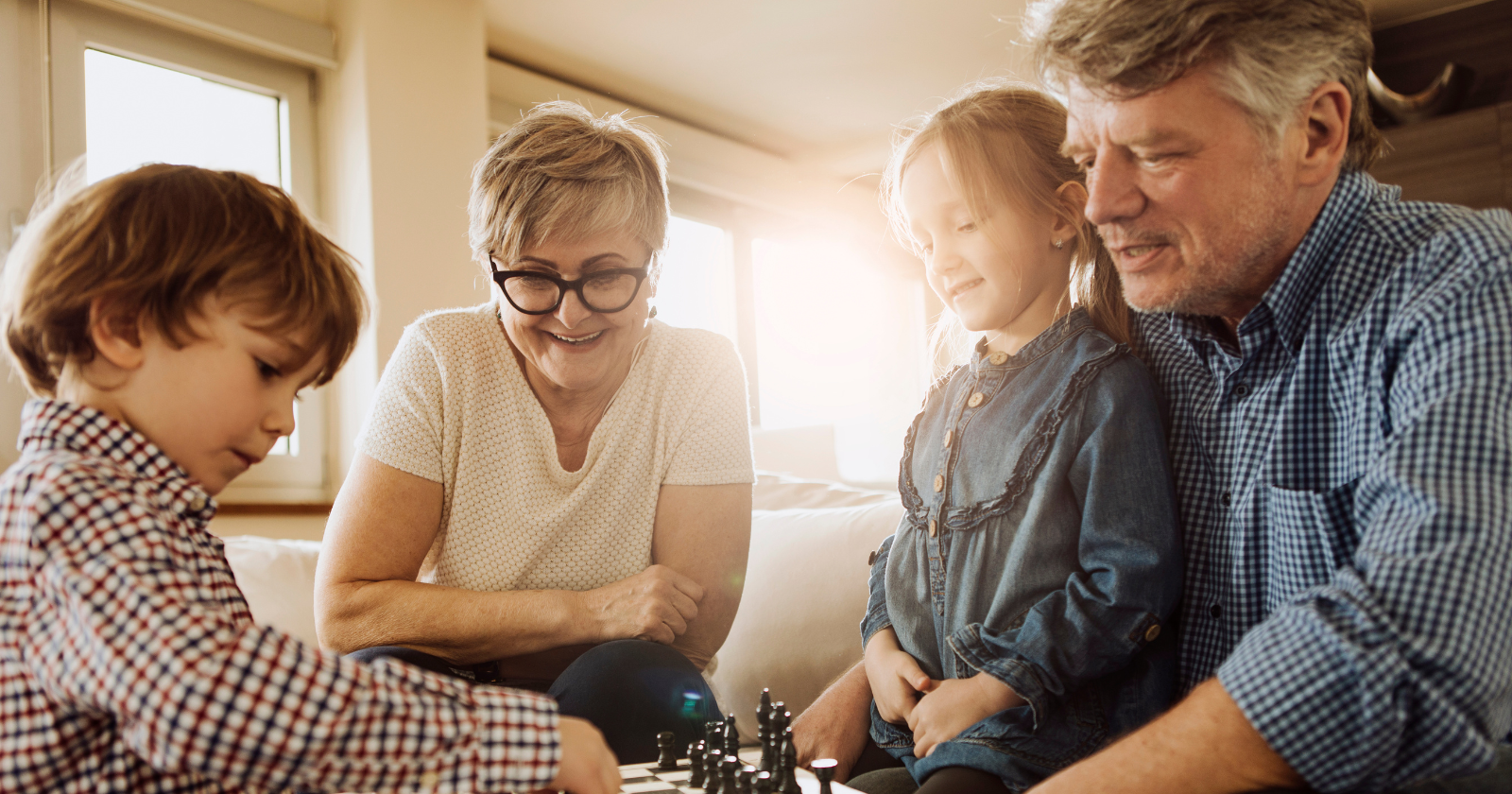
Let me tell you something funny that happened last weekend at the park. My eight-year-old grandson was teaching me how to use his new skateboard (yes, really), and as I wobbled around like a newborn giraffe, he said, “Grandpa, you’re way cooler than Dad. He won’t even try.”
That got me thinking. Why do some of us seem to hit our stride with grandkids in ways we never quite managed with our own children?
Looking back at my own journey raising two boys, now in their thirties with families of their own, I realize I was so focused on getting everything “right” that I forgot to just enjoy the ride. Work got demanding during their teenage years, and I pulled back right when they probably needed me most. One of my bigger regrets, if I’m honest.
But here’s the thing: with my four grandchildren, ranging from three to eleven, I’ve discovered something remarkable. Being a grandfather is like being a parent with the volume turned down. Same love, way less anxiety.
And I’m not alone in this. Many of us who felt like we were constantly swimming upstream as parents suddenly find ourselves gliding along as grandparents. We’ve developed traits that nobody really noticed or valued until the grandkids showed up.
1) The art of selective deafness
Remember when every little whine or complaint from your kids sent you into fix-it mode? As a parent, I couldn’t let anything slide. Every “I’m bored” or “That’s not fair” demanded an immediate response.
Now? When my granddaughter complains that her brother got a bigger cookie, I just smile and say, “Life’s tough sometimes, kiddo.” And you know what? She figures it out. This selective deafness isn’t neglect. It’s wisdom. We’ve learned that not every problem needs our intervention.
The beauty is that kids actually respect this more. They learn to solve their own minor disputes while knowing we’re there for the big stuff. My sons used to roll their eyes at my constant hovering. My grandkids? They appreciate that I trust them to handle things.
2) Professional-level patience
When my youngest grandson takes fifteen minutes to tie his shoes, I just watch. No rushing, no taking over, no checking my watch. Try doing that as a working parent trying to get everyone out the door by 7:30 AM.
This patience comes from finally understanding that their timeline matters more than ours. We’ve been through the rushed mornings, the homework battles, the bedtime negotiations.
We know now that those extra five minutes won’t matter in twenty years, but the memory of Grandpa waiting patiently while they figure something out just might.
Related Stories from The Artful Parent
- Psychology says the children most shaped by toxic parenting rarely come from homes that looked broken, they come from homes that looked completely fine, and they spend their adult lives trying to explain a wound that has no obvious source
- There’s a specific kind of exhaustion that comes not from doing too much but from spending decades performing a version of yourself that was designed to make other people comfortable, until one morning you can’t remember what your face does when nobody is watching
- Behavioral scientists found that adults who describe themselves as ‘not creative’ almost always trace it back to a single moment in childhood when someone evaluated what they made instead of asking what it meant
3) The ability to find joy in chaos
My living room after a Sunday visit looks like a tornado hit it. Cushions everywhere, toys scattered, usually something sticky on the coffee table. Twenty years ago, this would have triggered my need for immediate cleanup.
Now? I leave it for a bit. Sometimes I even sit in the mess with a cup of coffee, remembering the sound of their laughter. The chaos is evidence of life happening, of memories being made. We’ve learned that perfect houses are overrated, but perfect moments of connection are priceless.
4) Master-level story skills
As parents, we told stories with purpose. Every tale had a moral, a lesson, a point. Exhausting, really.
These days, I tell stories just because they’re fun. Stories about when their dads were young and did silly things. Stories about my own childhood disasters. No agenda, no hidden messages about eating vegetables or sharing toys. Just pure entertainment.
And here’s what’s wild: the kids listen more closely to these pointless stories than they ever did to our carefully crafted life lessons. They ask for the same ones over and over. “Tell us about when Dad got stuck in the tree again, Grandpa!”
5) The gift of undivided attention
You know what I don’t bring to the park when I take the grandkids? My phone. Well, I bring it, but it stays in my pocket. For those two hours every weekend, they have me completely.
- The movable type story and what it still means for creators building on borrowed ground - The Blog Herald
- The case for selling your own ad space as a blogger - The Blog Herald
- Psychology says the reason creative people struggle more than most with ordinary daily routines isn’t lack of discipline — it’s that their nervous system processes interruption as a genuine threat to the fragile mental state that makes the work possible - The Blog Herald
As a parent, I was always multitasking. Watching them play while mentally running through work presentations or weekend chores. Now, I actually watch. I see the concentration on my granddaughter’s face as she climbs the monkey bars. I notice how my grandson always helps smaller kids up the slide.
This focused attention is something we couldn’t afford as parents juggling careers and mortgages and all the rest. But grandparents? We’ve got time, and we’ve learned how precious it really is.
6) Zero ego investment in outcomes
When my son brought home a C in math, I took it personally. What would people think? Was I failing as a father? The pressure was immense.
My grandson struggles with reading, and you know what? I just help him practice without any of that emotional baggage. If he improves, great. If not, we’ll keep working on it. No panic, no shame, no frantic tutoring schedules.
This detachment from outcomes is liberating for everyone. The kids feel less pressure, and ironically, they often perform better. They’re learning for themselves, not to validate our parenting skills.
7) The courage to break our own rules
Ice cream before dinner? Sure, occasionally. Staying up past bedtime to finish a movie? Why not? One more story? Absolutely.
As parents, we were so rigid about rules because we feared that one deviation would lead to complete anarchy. We know better now. Kids can handle occasional rule-bending without becoming delinquents. In fact, these small rebellions we share with them become their favorite memories.
My sons still talk about the few times I broke my own rules when they were kids. Those moments meant everything to them. Now I create those moments regularly for my grandkids, and nobody appreciates this more than their parents, who get to remain the disciplinarians while I get to be the fun one.
Closing thoughts
Every weekend at the park, watching my grandkids play, I think about how different I am from that stressed-out dad I used to be. Same person, completely different approach.
The truth is, we didn’t suddenly become better people when the grandkids arrived. We just finally became the people we always could have been if fear, pressure, and impossible standards hadn’t gotten in the way.
So here’s my question for you: What would happen if you approached your current relationships with even a fraction of the wisdom grandparents seem to naturally possess?