

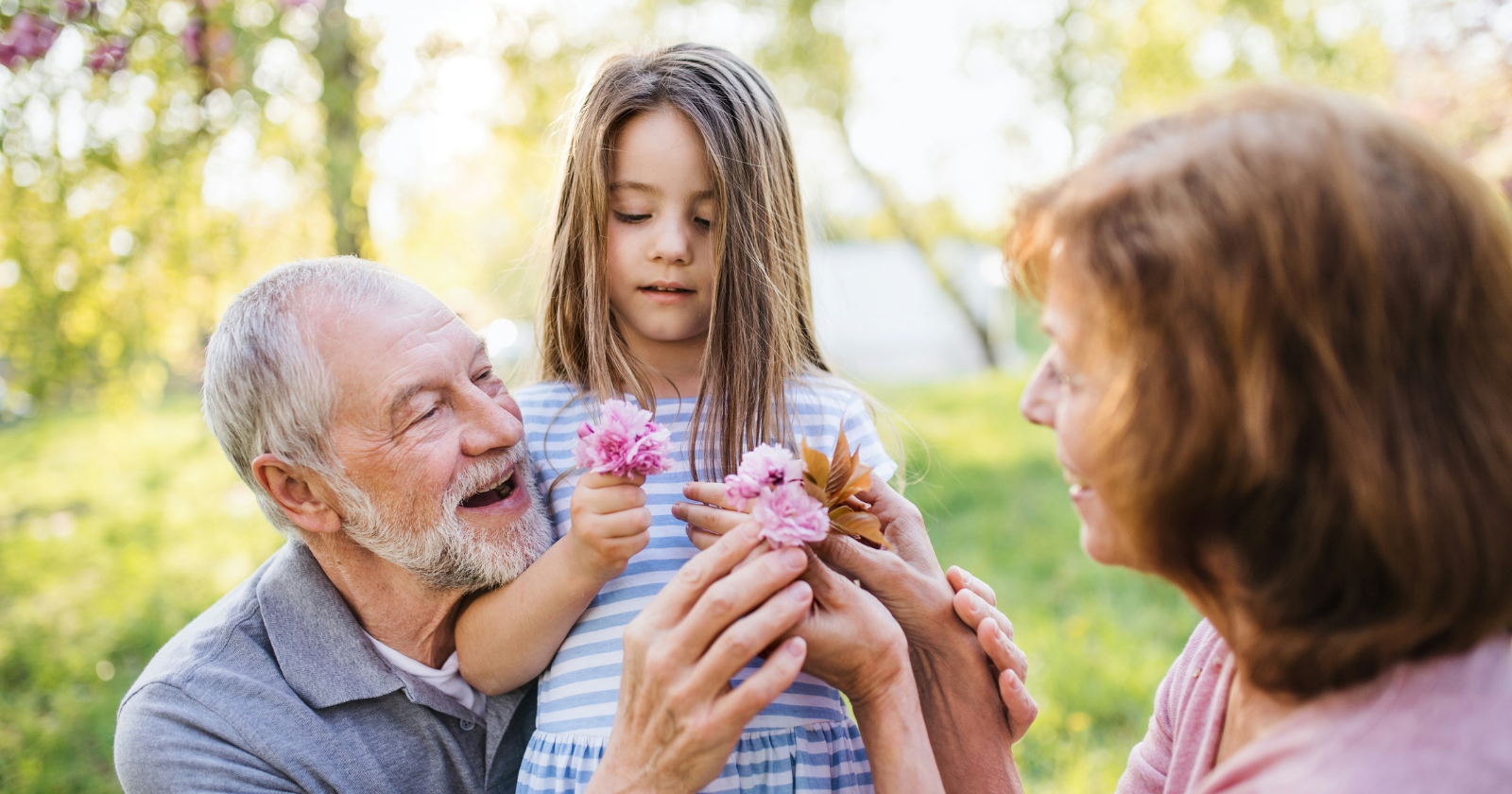
When I was picking up Ellie from my mom’s house last week, I watched as she slipped my daughter a chocolate bar while telling her not to tell her cousin. My heart sank a little.
It brought back memories from my own childhood, watching my grandmother dote on my older brother while my younger sister and I got the leftovers of her attention. I thought I’d moved past it, but seeing that familiar pattern starting with my own kids brought everything flooding back.
The truth is, favoritism from grandparents isn’t just about hurt feelings in the moment. Psychology research shows it can create lasting damage that follows kids well into adulthood. And while grandparents might think they’re just showing a little extra love to one grandchild, the ripple effects can shape family dynamics for generations.
1. It creates deep-seated feelings of inadequacy
Remember that feeling when you weren’t picked for the team in gym class? Now imagine that feeling coming from someone who’s supposed to love you unconditionally. When grandparents play favorites, the less-favored grandchildren internalize a message that they’re somehow not good enough.
Research from Psychology Today shows that children who experience favoritism often struggle with self-worth issues that persist into adulthood. They might constantly seek validation, never quite believing they measure up, no matter how successful they become.
I see this in my own parenting sometimes. Growing up as the middle child who watched my brother get praised for every little achievement while my sister and I were afterthoughts, I find myself overcompensating with my kids. I’m so worried about them feeling less-than that I probably go overboard with the praise sometimes.
2. It damages sibling relationships
Have you ever noticed how family gatherings can feel like walking through a minefield? When grandparents play favorites, they don’t just affect individual grandchildren. They create competition and resentment between siblings and cousins that can last a lifetime.
The favored child might feel guilty or uncomfortable with the special treatment, while the others harbor resentment. Instead of being allies and best friends, grandchildren become rivals competing for scraps of attention. These dynamics don’t magically disappear when everyone grows up. They show up at weddings, funerals, and holiday dinners decades later.
3. It undermines parental authority
Here’s something that drives me absolutely crazy: when grandparents undermine the rules and boundaries parents set by giving special privileges to their favorite grandchild. Maybe they let one grandchild stay up late or eat extra desserts while enforcing rules strictly with the others.
This doesn’t just confuse kids about what’s allowed. It teaches them that rules are negotiable if you’re special enough, and that authority figures can’t be trusted to be fair. For parents trying to raise kids with consistent boundaries and values, grandparent favoritism can feel like constant sabotage.
My own parents were pretty skeptical of our low-screen, organic-food approach at first. But at least they applied their eye-rolling equally to both kids! If they’d been sneaking screen time to just one of them, we’d have had a much bigger problem on our hands.
Related Stories from The Artful Parent
- I’m 63 and I’ve learned that grandchildren will tell you things they’ll never tell their parents — but only if you master the one skill most grandparents get completely wrong
- I’m 35 and I love my parents but I also resent them — and I spent years believing those two things couldn’t both be true before I understood that love and resentment are not opposites, they are the specific combination that forms when you were raised by people who did their best and whose best had limits and whose limits became your wounds
- Psychology says when adult children avoid their parents, it’s rarely about one dramatic event — it’s about a thousand small moments where the child learned that being authentic around the parent felt more dangerous than being distant
4. It impacts emotional regulation skills
Studies published by the National Institutes of Health suggest that children who experience differential treatment within families often struggle with emotional regulation. The less-favored children might develop anxiety or depression, while the favored ones might struggle with entitlement or lack of empathy.
Think about it: if you’re constantly wondering why grandma loves your sibling more, you’re spending emotional energy that should go toward developing healthy coping mechanisms. You’re in survival mode instead of growth mode. And if you’re the golden grandchild? You might never learn to handle disappointment or develop genuine empathy for others’ struggles.
5. It creates unhealthy relationship patterns
What really keeps me up at night is thinking about how favoritism shapes the relationships my kids will have as adults. Children who experience favoritism often recreate these dynamics in their adult relationships. They might accept being treated as less-than by partners, or they might become people-pleasers who never feel secure in relationships.
The favored children don’t escape unscathed either. They might expect special treatment in all their relationships or struggle to form genuine connections because they’ve learned that love is conditional and competitive.
After seven years teaching kindergarten, I saw these patterns play out in countless families. The kids who were grandma’s obvious favorite often struggled to share and collaborate, while their siblings would give up before even trying, assuming they’d lose anyway.
6. It affects family loyalty and trust
When grandparents show blatant favoritism, it breaks something fundamental in the family structure. The American Psychological Association notes that perceived fairness in families is crucial for developing trust and secure attachments.
- When police raided a blogger’s home, they forced a question journalism still hasn’t fully answered - The Blog Herald
- WordPress plugin auto-updates: the convenience trap bloggers keep falling into - The Blog Herald
- Research suggests people who prefer reading independent blogs over mainstream media aren’t being contrarian — they’re seeking a fundamentally different relationship with information, one built on voice and trust rather than institutional authority - The Blog Herald
Kids need to know that family is their safe space, where they’re valued for who they are. When grandparents create an environment where love feels conditional and competitive, it shakes the foundation of what family means.
Some grandchildren might distance themselves entirely from family gatherings, while others might stay engaged but emotionally checked out, never quite trusting that they truly belong.
7. It perpetuates intergenerational patterns
Here’s the kicker: favoritism tends to repeat itself across generations. The grandparents showing favoritism now probably experienced it themselves as children. And without conscious effort to break the cycle, today’s grandchildren will likely repeat these patterns with their own grandkids someday.
I think about this a lot, actually. My strict upbringing definitely influences how I parent now, sometimes in ways I don’t even realize until later. If my kids grow up seeing favoritism as normal, what unconscious patterns will they carry forward? It’s enough to make any parent want to have some serious conversations with the grandparents in their lives.
Breaking the cycle
Look, I know grandparents aren’t trying to cause damage. They probably don’t even realize they’re playing favorites. Maybe one grandchild reminds them of themselves, or shares their interests, or is just easier to connect with. These are human tendencies we all have.
But awareness is the first step toward change. If you’re seeing favoritism in your family, it’s worth having gentle but honest conversations about it. Set boundaries if you need to. Limit exposure if grandparents can’t or won’t change their behavior. Your kids’ emotional wellbeing is worth more than keeping the peace at Sunday dinner.
For those of us processing our own experiences with grandparent favoritism, remember that healing is possible. We can choose to parent differently, to love our children equally even when it doesn’t come naturally, and to create the family dynamics we wished we’d had.
It’s not always easy, especially when those old patterns feel familiar and almost comfortable. But our kids deserve better than what we got, and we have the power to give it to them.
