
I caught myself again yesterday morning, tying Milo’s shoes while he squirmed on the bench by our front door. “I can do it!” he protested, reaching for the laces.
But we were already running late for the farmers’ market, and I knew his two-year-old fingers would take another five minutes to fumble through those loops. So I brushed his hands away gently and finished the job myself.
It wasn’t until we were halfway there that the irony hit me. Here I am, someone who writes about fostering independence in children, and I’d just stolen a learning moment from my son because I couldn’t spare five minutes.
The truth is, we all do this. We zip their jackets, pour their cereal, carry their backpacks, and answer for them when someone asks their name.
Not because they can’t do these things (or can’t learn to), but because we’re in a hurry. Because it’s faster. Because we’ve got somewhere to be.
But what if I told you that every time we default to “I’ll just do it myself,” we’re sending our kids a message they internalize deeply: You’re not capable. You need me. You can’t handle this on your own.
1) Tying their shoes when they’re learning
Those shoe laces are like tiny mountains for little fingers to climb. I get it. When you’re trying to get out the door and your five-year-old is on her third attempt at making bunny ears, every instinct screams to take over.
But here’s what I’ve learned: Those extra minutes aren’t wasted time. They’re investment time. Every fumbled attempt, every lopsided bow, every triumphant “I did it!” builds something essential in our kids.
Not just fine motor skills, but persistence, problem-solving, and that precious sense of accomplishment.
Try this instead: Start teaching shoe-tying on lazy Sunday mornings when there’s nowhere to rush. Build in extra time on busy mornings.
Or better yet, invest in some slip-ons for those truly hectic days, but save the lace-ups for when you can let them practice.
2) Answering for them when people ask questions
“How old are you, sweetie?” the cashier asks your child. Before they can even process the question, you’ve already jumped in: “She’s five!”
Sound familiar? I used to do this constantly, especially when my daughter would freeze up or take those long, thoughtful pauses that kids need to formulate their responses.
The silence felt awkward. I wanted to smooth things over, keep the line moving, maintain the social flow.
But when we speak for our children, we rob them of their voice. We teach them that their thoughts aren’t worth waiting for, that adult conversations happen around them, not with them.
Now when someone asks my kids a question, I bite my tongue. I count to ten. I let the awkward pause stretch out. And more often than not, a small voice pipes up with an answer that’s uniquely theirs.
3) Cleaning up their messes immediately
Spilled milk. Scattered toys. Craft supplies everywhere. When you see the mess, your efficient parent brain immediately calculates: I can clean this up in two minutes. If they do it, we’ll be here for twenty.
So you grab the paper towels, you scoop up the blocks, you wipe down the table while they wander off to the next activity.
But what message does this send? That messes magically disappear. That someone else will always handle the consequences of their actions. That they’re not responsible for their own space.
Yes, it takes longer when they help. Yes, the floor might still be sticky after their cleanup attempt.
But they’re learning that actions have consequences, that they’re capable of fixing problems they create, and that contributing to household tasks is part of being in a family.
4) Carrying everything for them
I see it at every school pickup: Parents loaded down like pack mules while their perfectly capable children skip ahead, unburdened. Backpack, lunchbox, art project, water bottle, jacket – all balanced precariously in adult arms.
Why? Because it’s faster than waiting for them to gather their things. Because they might drop something. Because they’ll complain it’s too heavy.
But when we automatically become their sherpa, we miss chances to build both physical strength and personal responsibility. A five-year-old can absolutely carry their own backpack. A two-year-old can hold their own water bottle.
Start small if you need to. Let them carry one thing. Then two. Pretty soon, you’ll have a child who automatically grabs their own belongings without being asked.
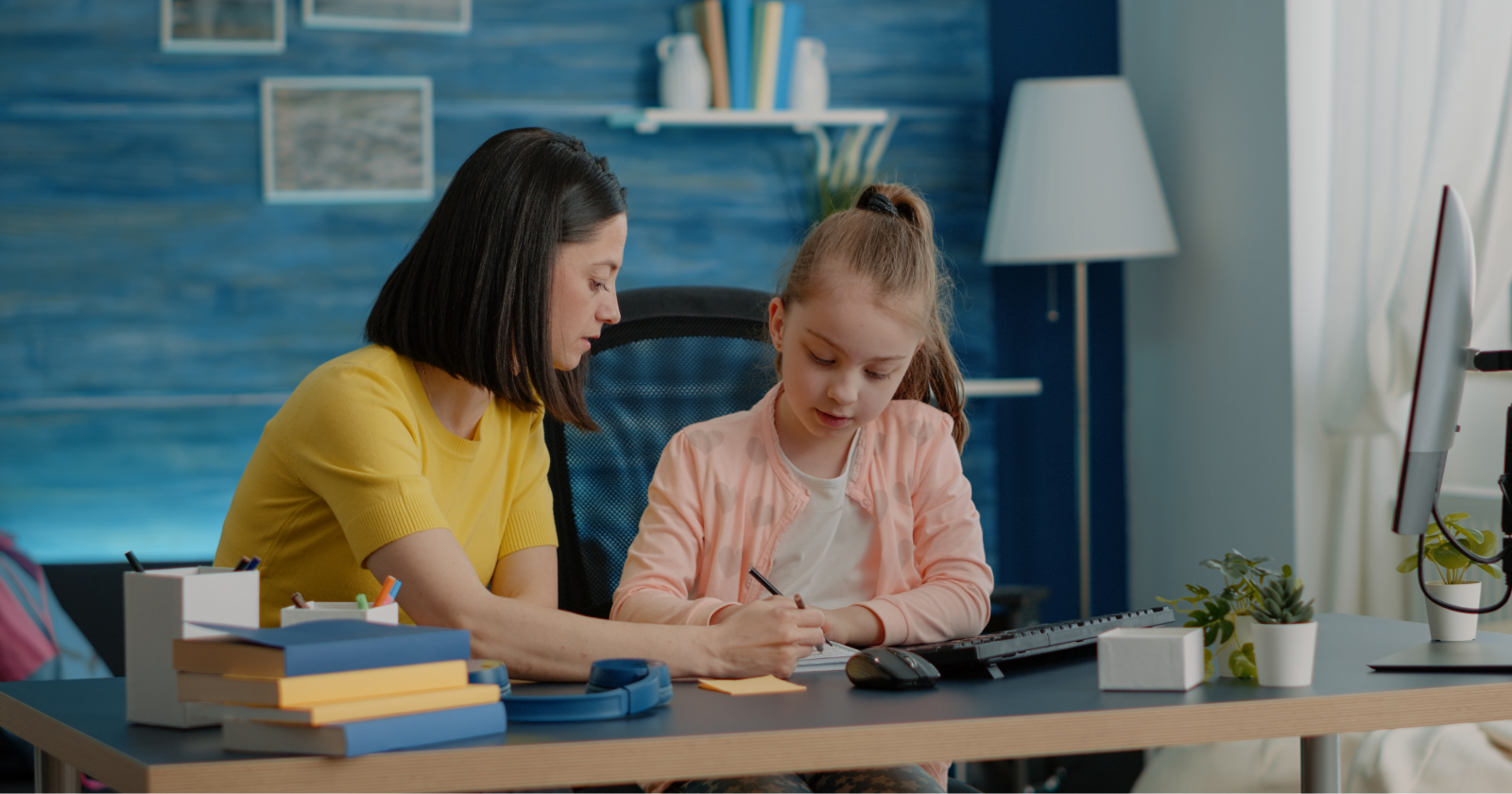
5) Doing their homework “together”
This one’s tricky because we want to support our kids’ learning. But there’s a fine line between helping and doing.
When homework time stretches on and bedtime looms, it’s tempting to just give them the answer. Or to guide their hand while writing. Or to basically dictate their book report while they transcribe.
Every time we cross that line from support to completion, we undermine their learning. Not just academic learning, but the deeper lesson that struggle is part of growth, that their own ideas have value, that they can work through challenges.
Being nearby for questions? Great. Reviewing their finished work? Wonderful. But doing the thinking for them because it’s faster? That’s where we need to pump the brakes.
6) Making all their plates and snacks
Picture this: Your child says they’re hungry. Without thinking, you head to the kitchen, prepare their snack, cut it into perfect pieces, and deliver it to them.
It’s automatic. It’s what parents do. It’s also faster than supervising them spreading peanut butter or teaching them to peel their own orange.
But kids as young as two can participate in food preparation. They can wash fruit, spread soft things on bread, pour from small pitchers. By five, they can make simple snacks independently.
When we always serve them, we miss opportunities to teach nutrition, kitchen safety, and self-sufficiency. Plus, kids are way more likely to eat something they’ve prepared themselves.
7) Resolving their conflicts with other kids
Watching your child struggle with a playground dispute or sibling argument is uncomfortable. Every parental instinct says to jump in, mediate, fix it, make it fair.
And yes, sometimes adult intervention is necessary for safety or when things escalate beyond their developmental ability to handle. But often? We jump in too quickly because we want the conflict over. We want the crying to stop. We want harmony restored.
When we constantly referee, kids don’t learn to navigate social challenges. They don’t develop negotiation skills, empathy, or the ability to stand up for themselves appropriately.
Try stepping back next time. See if they can work it out. You might be surprised at the creative solutions they develop when given the chance.
Final thoughts
After years of transitioning from classroom teaching to writing about parenting, I’ve learned that the hardest part isn’t teaching our kids new skills.
The hardest part is stepping back and letting them use those skills, especially when we’re rushed, tired, or just want things done right.
I’m still learning to ask for help instead of doing everything myself, and maybe that’s exactly the lesson my kids need to see. That independence isn’t about perfection. It’s about trying, failing, trying again, and knowing you’re capable of figuring things out.
Those extra minutes we save by doing things for our kids? We’re borrowing them from their future. Every time we choose efficiency over education, we postpone their independence just a little bit longer.
So tomorrow morning, when Milo wants to tie his shoes and we’re running late again, I’m going to take a deep breath, sit on that bench, and let him try.
Even if it means the farmers’ market vendors will have to wait an extra five minutes for us. Some things are worth being late for.
