You know that moment when you catch your reflection in a window and realize you’ve been wearing your reading glasses on top of your head all afternoon?
That happened to me last week at the park with my youngest grandchild. She looked up at me with those big eyes and said, “Grandpa, you’re silly.” It got me thinking about all the things our grandchildren observe about us that we’re completely oblivious to.
After spending countless weekends at the park and doing school pickups, I’ve started to notice patterns in what catches their attention. Kids are like little detectives, picking up on details we stopped noticing years ago.
And honestly? Some of their observations have made me more aware of my own habits and quirks.
So today, I want to share eight things your grandchildren are definitely noticing about you, even if you’ve never given them a second thought.
Trust me, once you see this list, you’ll never look at your interactions with them quite the same way.
1) How you react when technology doesn’t cooperate
Last week, I was trying to show my eleven-year-old grandchild some photos I’d taken at the park.
The tablet wouldn’t cooperate, and apparently, my frustrated muttering and repeated jabbing at the screen was quite the entertainment. “You always do that face when the computer doesn’t work,” she informed me, then proceeded to demonstrate my scrunched-up expression perfectly.
They notice every sigh, every confused squint at the screen, and especially how many times we press the same button hoping for different results.
What’s fascinating is they’re not judging us; they’re learning how adults handle frustration. Sometimes they even try to help, which if you’re paying attention, can be a beautiful bonding moment instead of just another tech headache.
2) Your physical quirks and habits
Ever noticed how kids can imitate you perfectly? That’s because they’re studying you like you’re the most interesting creature at the zoo.
One of my grandchildren recently pointed out that I always clear my throat twice before answering the phone. Twice! I had no idea I did that until a seven-year-old called me out on it.
They notice how you sit in your favorite chair, the way you fold your arms when you’re thinking, or how you unconsciously tap your fingers when you’re concentrating.
During our car rides from school, I’ve caught them mimicking my driving posture in the backseat. It’s both humbling and hilarious to see yourself through their eyes.
3) The stories you tell repeatedly
“Grandpa, you already told us about the time you got lost at the fair.” Ouch. But they’re right.
We all have our greatest hits collection of stories, and our grandchildren have heard them multiple times. What’s interesting is that they rarely complain; they just gently remind us we’re on repeat.
I’ve noticed they actually anticipate certain parts of my stories now, mouthing along with my favorite phrases. They know exactly when I’m going to pause for effect or when I’m about to deliver what I think is the punchline.
If you pay attention, you can actually see them preparing to react appropriately, which is both sweet and slightly embarrassing.
4) What makes you genuinely happy
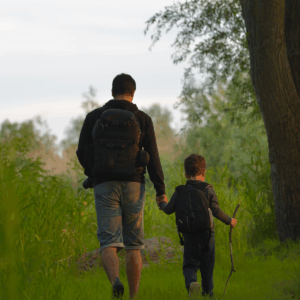
Kids are emotional sponges, and they’re experts at reading authentic joy versus polite interest. My grandchildren know exactly which activities light me up and which ones I’m doing just to be a good sport. They’ve figured out that I genuinely love our walks in the park but merely tolerate video games.
During our one-on-one time (which I started doing after realizing they’re completely different people when not competing for attention), they’ve each picked up on what specifically brings me joy.
The older ones now bring up topics they know I’m passionate about, while the younger ones suggest activities they’ve noticed make me smile. They’re constantly cataloging what makes grandpa tick.
5) Your worries and concerns
Here’s something that caught me off guard: Kids notice when we’re worried, even when we think we’re hiding it well. “Why do you always check the weather three times before we go out?” one of them asked me recently.
They pick up on our anxieties through our repeated behaviors and cautionary phrases.
They notice when we grip their hand a little tighter crossing the street, when we peer out the window during storms, or when we ask the same safety questions multiple times.
What’s remarkable is how they often try to reassure us in their own little ways, showing a level of empathy that can catch you completely off guard.
6) How you treat other people
Whether it’s how you interact with the cashier at the grocery store or how you talk about the neighbors when you think they’re not listening, your grandchildren are taking mental notes.
One of mine recently said to a playground friend, “My grandpa always says thank you two times to people.” I hadn’t even realized I did that.
They observe whether you hold doors for strangers, how you speak to their parents (your own children), and whether your mood changes around certain people.
These observations are shaping their understanding of how to navigate social relationships. No pressure, right?
7) Your relationship with time
“Grandpa, you always say five more minutes but it’s never really five minutes.” Guilty as charged. Our grandchildren are acutely aware of how we manage time, probably because their entire lives are scheduled by adults.
They know if you’re habitually early or late, if you rush them or move at a leisurely pace.
They’ve noticed that I lose track of time completely when I’m sorting through my boxes of photographs but become very time-conscious when we need to leave for school pickup.
They see the contradiction, and honestly, it’s made me more mindful of how I communicate about time with them.
8) What you choose to keep and treasure
My grandchildren are fascinated by what I save versus what I throw away.
They’ve noticed the boxes of photographs I keep meaning to organize, the specific drawings of theirs that make it to the refrigerator, and which of their gifts have permanent places in my home.
During their visits, they conduct little investigations, checking if their last art project is still displayed or if I’m still using the mug they made me.
They notice which books are worn from rereading and which items I handle with extra care. Through these observations, they’re learning what we truly value, and more importantly, they’re figuring out where they fit in that hierarchy of treasures.
Closing thoughts
After writing this, I’m even more aware that our grandchildren are studying us with the intensity of anthropologists. But here’s what I’ve realized: This isn’t something to worry about. It’s actually a gift.
These little observers are holding up a mirror to our lives, showing us ourselves in ways we’ve never considered. They’re not looking for perfection; they’re just trying to understand the world through understanding us.
So the next time you’re with your grandchildren, remember that you’re not just spending time together. You’re being memorized, cataloged, and filed away in their developing understanding of what it means to be human.
What quirks do you think your grandchildren have noticed about you that might surprise you?