
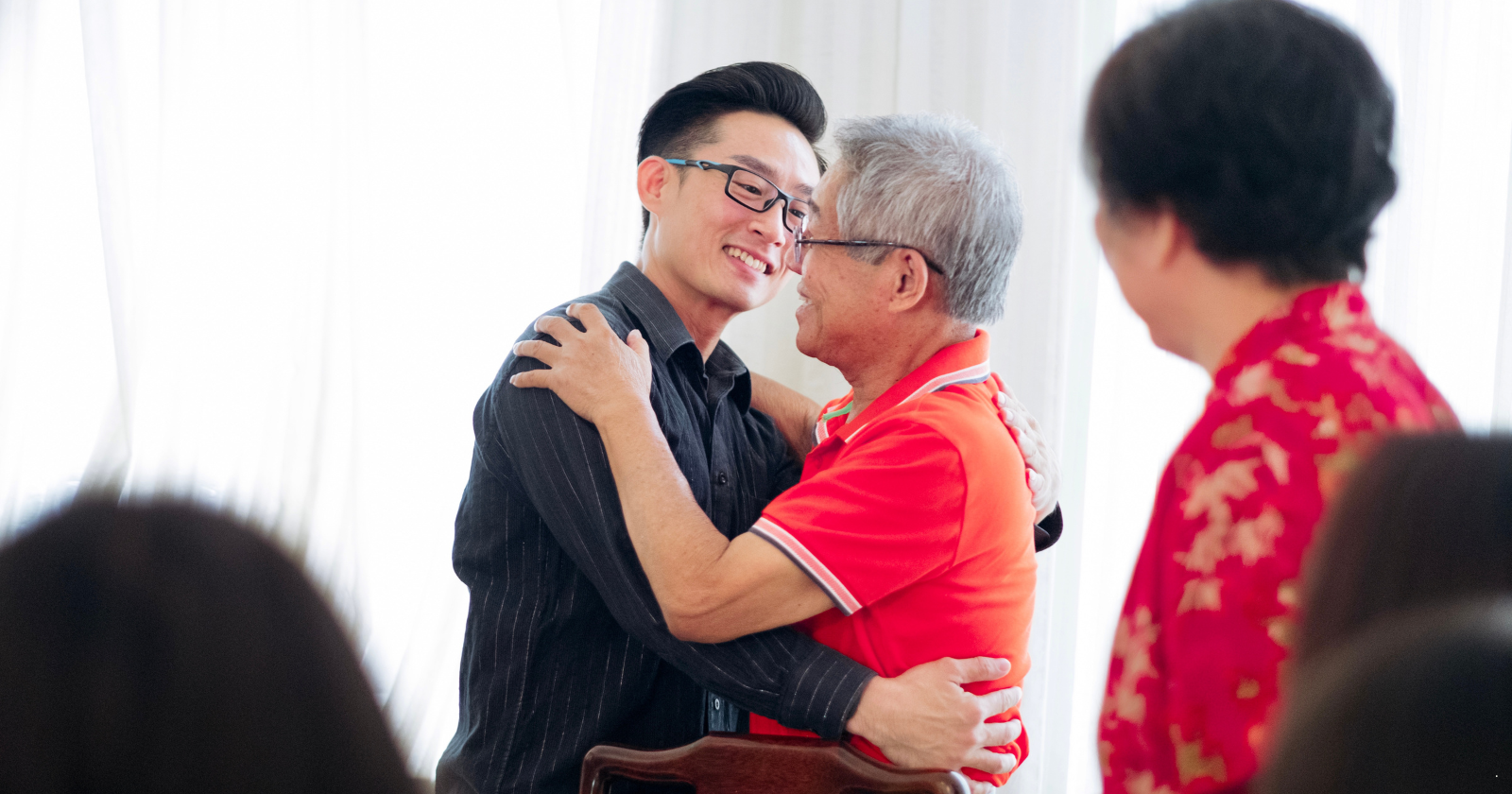
Picture two grandmothers arriving at their daughter’s house for Sunday dinner. The first walks in, immediately starts rearranging the fruit bowl, asks why the kids are still in pajamas at noon, and launches into a story about how her neighbor’s grandchildren are already reading chapter books. The second walks in, gets down on the floor where the kids are playing, and asks if she can help build their block tower.
Fast forward twenty years. Guess which grandmother gets regular phone calls, spontaneous visits, and genuine excitement when she shows up at the door?
I’ve been thinking about this a lot lately, especially as my own parents visit more often now that we have kids. Those first ten minutes after they walk through our door set the entire tone for the visit. And honestly? It’s teaching me so much about the kind of parent I want to be when my little ones are grown.
The invisible scorecard we all keep
Have you ever noticed how your shoulders tense up when certain people are about to visit? Your body knows before your brain does. It’s already keeping score.
My mother used to arrive with her anxiety wrapped around her like a winter coat. Within minutes, she’d be wiping down my counters while telling me about a recall on strawberries she’d heard about. She meant well, but those first ten minutes told me everything: my house wasn’t clean enough, my choices weren’t safe enough, I wasn’t enough.
Now I watch my five-year-old’s face when different relatives arrive. Some grandparents get running hugs and excited chatter about her leaf collection. Others get polite hellos from behind my leg. Kids are walking truth detectors, and they’re teaching me that those first moments matter more than we think.
The parents who are genuinely loved, not just tolerated? They walk in and see what IS, not what isn’t. They notice the fort made from every cushion in the house instead of the crumbs underneath. They ask about the art project explosion on the table instead of suggesting it needs cleaning.
Questions that connect versus questions that inspect
“How are you really doing?” versus “Have you thought about getting the baby on a better sleep schedule?”
One opens a door. The other slams it shut.
I learned this the hard way when visiting a friend with a newborn. I walked in asking if she’d tried swaddling techniques I’d read about. I watched her face close up like a flower in the cold. What she needed was someone to hold the baby while she showered, not another person with opinions about sleep training.
The loved parents master the art of curious questions without hidden agendas. They ask about your new recipe attempt without mentioning how they would’ve done it differently. They wonder about your weekend plans without suggesting better ones. They’re genuinely interested in your life as it is, not as they think it should be.
The art of noticing without fixing
My two-year-old recently colored on our wall with a marker he’d somehow found. When my dad visited and saw it, he just chuckled and said it looked like modern art. When my mom saw it, she immediately offered to help repaint and started listing ways to hide markers from toddlers.
Both responses came from love. But one made me feel seen and supported, while the other made me feel like I was failing at basic parenting.
The parents who stay close to their adult children have mastered something profound: they can notice without needing to fix. They see the pile of laundry and offer to chat while you fold, not reorganize your entire laundry system. They notice you look tired and ask if you want company for coffee, not launch into sleep hygiene lectures.
It’s the difference between “I see you’re struggling, how can I support you?” and “I see you’re struggling, let me tell you what you’re doing wrong.”
Bringing warmth instead of judgment
Remember that feeling when someone walks into your house and it suddenly feels warmer? Not temperature-wise, but soul-wise?
The loved parents bring that warmth in their pocket. They walk through the door already smiling about something funny that happened on the drive over. They bring excitement about seeing you, not a mental checklist of concerns to address. They light up when your kids run to them, even if those kids have marker on their faces and yesterday’s lunch on their shirts.
The tolerated parents? They bring weather reports of everything that could go wrong. They arrive pre-worried about traffic on the way home, whether the kids are dressed warmly enough, if you’ve heard about the new study on screen time.
The gift of being easy
You know what makes adult children call their parents more often? When those calls feel easy.
The loved parents have learned to receive what’s offered. Frozen pizza for dinner? Delicious! Kids want to show their sixteenth drawing of the day? Fascinating! You need to vent about work? They’re all ears, no solutions required unless asked.
They don’t need special accommodations, complicated meal preparations, or reorganized schedules. They fold into your life like butter into warm bread, making everything a little richer without changing the fundamental recipe.
Respecting the new rules of the house
Every family has its own culture, its own way of doing things. The loved parents recognize they’re visitors in this new culture, even if they helped create the people who built it.
When my kids are having screen time and I say it’s okay, the loved grandparents don’t launch into concerns about development. When bedtime is a little later than they would choose, they trust that we know our children’s needs. They understand that their vote changed to an advisory role the day we moved out.
This doesn’t mean they can’t share wisdom when asked. But they wait for the invitation instead of assuming their experience grants automatic authority.
Finding beauty in the chaos
My house is rarely Instagram-ready. There are usually leaves sorted into mysterious piles, couch cushions that have become permanent fort infrastructure, and at least three different art projects drying on various surfaces.
The parents who get invited back see this chaos and find beauty in it. They recognize it as evidence of children being children, of learning happening, of a family really living in their space. They might even ask to join the leaf sorting or fort building.
The ones who are merely tolerated? They see work that needs doing, problems that need solving, chaos that needs ordering. They can’t rest until things are “right,” not realizing that their version of right might be all wrong for this particular family.
The long game of connection
Those first ten minutes are really about something bigger: are you here to connect or to correct?
The loved parents play the long game. They know that accepting the frozen pizza dinner means getting invited to more dinners. They understand that celebrating the chaotic fort means being included in the next building project. They realize that asking genuine questions leads to genuine answers, sometimes months or years later when trust has been built.
Every time they walk through that door, they’re making a choice. They can choose to see what’s wrong or what’s real. They can bring their anxiety or their acceptance. They can inspect or connect.
And here’s what I’m learning as I navigate this with my own parents while raising my little ones: we’re all practicing for the future. Every time I catch myself wanting to fix instead of just witness, I remember that my kids are watching. They’re learning what it looks like when someone walks through the door with love versus judgment.
Someday, I’ll be the one walking through my adult children’s doors. And I hope, after watching me practice acceptance and warmth with their grandparents, they’ll light up when they see me coming. Not because I’m perfect, but because I’ve learned that those first ten minutes are my chance to say without words: “I’m here for you, not for my idea of you.”
The difference between being loved and being tolerated is really that simple, and that profound.
