

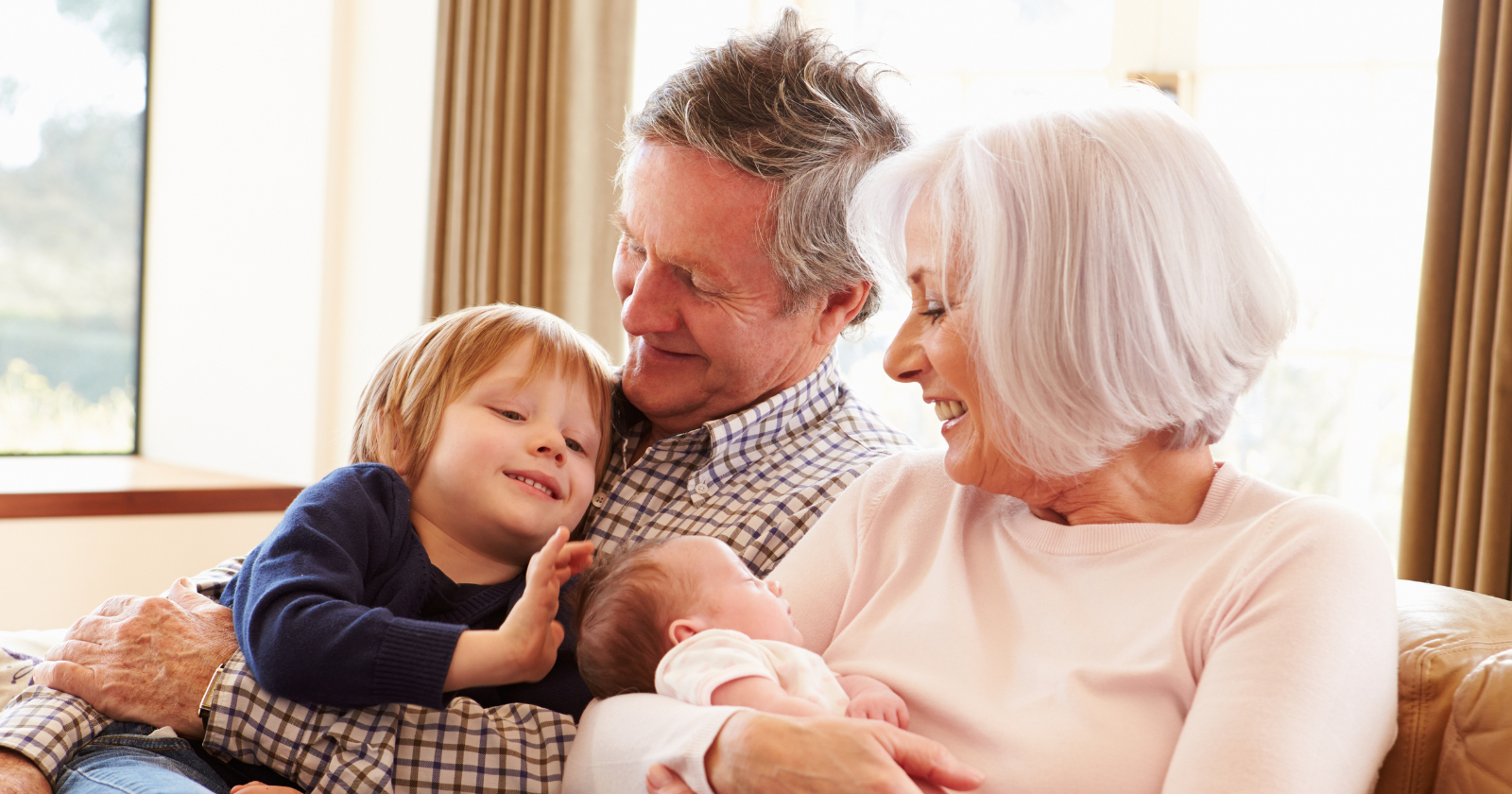
Those first five minutes when grandparents walk through the door? They’re everything.
I learned this the hard way watching my own parents with my kids.
My dad would barely make it past the doorway before launching into questions about screen time limits and whether we’d switched to organic milk yet.
Meanwhile, my mom would hover awkwardly, waiting for permission to hug Ellie and Milo, like she was meeting strangers instead of her own grandkids.
It took me a while to realize why these visits felt so strained.
Those initial moments set the entire tone.
Now, after years of observing different grandparents (including mine, who’ve thankfully evolved), I’ve noticed patterns in what makes kids light up versus shut down when grandma and grandpa arrive.
The truth is, grandchildren form lasting impressions faster than we think.
And whether they’ll remember their grandparents as warm, safe harbors or as visitors to endure often gets decided before anyone’s even taken off their coat.
1) They get down to the child’s eye level immediately
Ever notice how some grandparents tower over little ones like giants, while others instinctively crouch or sit right on the floor? My mother-in-law nailed this from day one.
She’d walk in, drop her purse, and plop herself down on our living room rug, making herself smaller than my then-three-year-old daughter.
Related Stories from The Artful Parent
- An adult child will visit a parent out of love or out of guilt—and psychology says these 8 behaviors are what determined which one yours will be
- There’s a reason the relationship between a mother and her son changes the day he gets married—and the mother who handles it gracefully gives her grandchildren something the one who fights it never can
- The parent who cancels plans for the third time this month isn’t flaky—they’re running triage on a life where everyone else’s needs arrive before theirs and their friends stopped understanding that years ago
The difference was immediate: Instead of hiding behind my legs, my little one would approach, curious and unintimidated.
Kids read body language before words.
When grandparents physically lower themselves, they’re saying “I’m here for you, not to inspect you from above.”
It sounds simple, but you’d be amazed how many grandparents miss this.
They stay standing, maybe pat a head from their full height, wondering why their grandchild seems standoffish.
2) They lead with warmth, not interrogation
“Have you been good for mommy?”
- Psychology says the habits that make people genuinely hard to be around in their 70s weren’t developed in their 70s — they were present at 40 and tolerated, present at 50 and accommodated, and what changed isn’t the person but the patience of everyone around them, which has simply run out - Global English Editing
- I spent my thirties obsessively optimizing my productivity, tracking habits, waking up at 5 a.m., and listening to podcasts about success — and at 41 I’m realizing I built an efficient life that left almost no room for joy - Global English Editing
- People who grew up with very little affection don’t just struggle with intimacy as adults — they often become the most generous people in the room, because giving love feels safer than asking for it - Global English Editing
“Are you eating all your vegetables?”
“Why aren’t you dressed yet?”
Sound familiar? Some grandparents arrive like tiny prosecutors, immediately grilling kids about behavior and habits.
However, the grandparents kids remember fondly? They walk in radiating pure delight just to see their grandchildren exist.
I watched this play out at a friend’s house recently.
Her father arrived with arms open, declaring “There’s my favorite artist!” to her four-year-old, who’d been scribbling all morning.
No questions about whether she’d cleaned up her toys or finished lunch, just celebration of her presence.
That child glowed for the entire visit!
3) They respect the child’s comfort zone with physical affection
This one hits close to home: My parents initially struggled when my daughter went through a phase where she didn’t want to hug anyone.
They’d arrive expecting cuddles and feel rejected when she’d retreat.
The turning point came when my mom started asking, “Would you like a hug, a high-five, or just a wave hello today?”
Giving kids agency over their own bodies builds trust.
The grandparents who understand this create deeper bonds than those who demand kisses and squeeze reluctant grandchildren.
Ironically, respecting boundaries often leads to more genuine affection down the road.
My son, the cuddler-climber combo, now launches himself at my mom because he knows she’ll never force it.
4) They bring their full attention, not their phone
You know that grandparent who walks in scrolling, finishes a text before acknowledging anyone, then keeps their phone out “just in case”?
Kids notice, they always notice.
Compare that to grandparents who treat arrival like an event: Phone goes in the bag, eyes lock on grandchildren, and full presence.
My friend’s mother does this beautifully.
She literally announces, “My phone’s going away because you’re more important than anything else right now.”
Her grandkids beam every single time.
In our hyper-connected world, undivided attention has become the ultimate gift.
Kids can feel when they’re competing with a screen, and they remember who made them feel like the main event versus a side attraction.
5) They acknowledge both children individually
When you have multiple kids, nothing stings quite like watching one get overlooked.
Some grandparents naturally gravitate toward the chattier child or the one whose age they relate to better, accidentally making siblings feel invisible.
The grandparents who get this right make distinct contact with each child in those first moments.
Not necessarily equal time, but deliberate acknowledgment: A specific compliment for one, or a special handshake with another.
They notice my daughter’s latest leaf collection and my son’s newest couch cushion configuration, so both kids feel seen.
6) They match the energy in the room
Walking into a quiet house where kids are coloring and announcing “WHO WANTS TO PLAY PIRATES?” might seem fun, but it often backfires.
Same with entering a dance party atmosphere and immediately trying to settle everyone down for stories.
Grandparents who read the room first, then join what’s already happening, create smoother connections.
They become part of the flow rather than disrupting it.
This doesn’t mean they can’t introduce new activities later, but those first five minutes work best when they tune into the existing vibe.
7) They skip the commentary on appearances
“You’ve gotten so tall!” seems harmless enough, but some grandparents fixate on physical changes.
Weight gain, weight loss, haircuts, outfits; kids start associating grandparent visits with being evaluated rather than enjoyed.
The memorable grandparents focus on what kids are doing, creating, or learning instead.
“Show me what you’ve been building” beats “Look how big you’ve grown” every time.
Children want to be known for their interests and achievements, not just observed like specimens.
8) They bring a simple, thoughtful gesture
I’m not talking expensive toys or candy bribes; the grandparents kids remember bring tiny, thoughtful touches.
My neighbor’s grandmother brings a different flower from her garden each visit, while another friend’s grandfather brings jokes written on index cards.
These small rituals create anticipation and belonging.
Kids know they were thought about between visits.
The gesture matters less than the consistency and thoughtfulness behind it.
9) They validate the child’s current emotion
Some grandparents arrive expecting performance happiness.
Child having a rough day? “Come on, smile for grandma!”
Child shy today? “Don’t be like that!”
However, grandparents who meet kids where they are emotionally create safety.
“Looks like you’re having big feelings today. That’s okay” works magic.
My teaching background showed me how powerful emotional validation is, and the grandparents who practice this become trusted allies rather than people kids need to perform for.
Final thoughts
Watching my parents transform their approach has been beautiful.
They went from skeptical observers of my “hippie parenting” to active participants who now embody these principles naturally.
Last week, my dad spent his first five minutes lying on the floor, letting my son show him a cushion fort while my daughter explained her latest leaf sorting system.
Those first five minutes ripple outward, shaping every interaction that follows and ultimately determining whether grandchildren will seek out or avoid their grandparents as they grow.
The grandparents who get this right are simply understand that connection matters more than correction, and that being remembered with warmth beats being remembered as right.
