
Last week, I found myself frantically scrubbing crayon marks off the wall before my mother-in-law visited, stress-cleaning while my kids begged me to read them a story.
I stopped mid-scrub, sponge in hand, and realized I was missing the point entirely.
We spend so much energy trying to create picture-perfect childhoods—coordinating holiday decorations, planning elaborate birthday parties, cooking from-scratch meals that would make Pinterest proud.
But here’s what keeps me up at night: What if none of that is what actually sticks?
After years teaching kindergarten and now raising two little ones, I’ve noticed something.
When former students visit or when I chat with grown kids at the farmers’ market, they never mention the classroom decorations or the perfectly organized cubbies.
They remember how they felt. They remember moments that seemed insignificant at the time.
Psychology backs this up. Our kids won’t remember the Instagram-worthy moments we kill ourselves creating. They remember something entirely different.
1) The feeling of being truly heard
Remember being a kid and having something incredibly important to share—like finding a really cool rock or seeing a butterfly land on your finger? The adults who stopped what they were doing to really listen, those are the ones we remember.
I learned this the hard way during my teaching days. One morning, a student spent ten minutes telling me about her new puppy while I half-listened, organizing supplies for our craft project.
Years later, she visited and told me her favorite memory was when I sat on the carpet and helped her write a story about that same puppy—a day I’d completely forgotten, when I’d pushed the schedule aside to focus on her excitement.
Now when my daughter interrupts my meal prep with a urgent report about a ladybug, I try to remember: The pasta can wait. Her feeling heard cannot.
2) Your presence during their hard moments
Research indicates that children exposed to traumatic events tend to have memories with less sensory detail and coherence, yet these memories hold more meaning and impact compared to those of positive experiences.
While we don’t want our kids experiencing trauma, this finding reveals something profound about how memory works. The difficult moments—and who shows up during them—leave the deepest impressions.
Think about your own childhood. Do you remember the fancy birthday party or do you remember who held you when you skinned your knee? Who sat with you when you were scared of the dark?
My husband handles bedtime stories religiously, and recently our son had a nightmare about monsters.
Instead of simply telling him monsters aren’t real, my husband crawled into the toddler bed with him (quite a sight) and stayed until he fell back asleep. That’s what sticks. Not the perfectly decorated room, but dad’s presence when the world felt scary.
3) Family rituals that happened regularly
Saturday mornings in our house mean one thing: Dad’s pancakes. They’re not fancy—sometimes they’re barely circular—but this weekly ritual has become the heartbeat of our family rhythm.
These repeated experiences create the soundtrack of childhood. The nightly back rubs, the silly songs during bath time, the way you always stop for hot chocolate after grocery shopping. Kids don’t need grand gestures; they need reliable ones.
4) Times you chose them over tasks
Our house is lived-in, not magazine-ready, and I used to feel guilty about this. Dishes in the sink, laundry mountain on the couch, toys everywhere.
But whenever I choose to build a fort instead of folding that laundry, I see it in their faces—this matters more.
Kids have an innate radar for knowing when they’re the priority versus when they’re being squeezed in between tasks.
They remember the times you stopped cleaning to dance with them, when you were late to work because they needed extra cuddles, when you said “yes” to reading one more story even though bedtime was already pushed.
5) How you handled your own mistakes
Last month, I completely lost it over spilled juice. Yelled way louder than the situation called for. My daughter’s face crumpled, and I immediately felt awful.
But here’s what she’ll remember: Me kneeling down afterward, apologizing genuinely, and explaining that mommies make mistakes too. She’ll remember that we cleaned it up together while I asked her to forgive me.
Kids don’t need perfect parents. They need parents who model how to be human—how to mess up, own it, and repair the relationship.
6) Your authentic emotions
We think we need to be endlessly patient, perpetually cheerful. But kids remember realness over performance.
They remember when you cried during that movie about the lost dog. When you did a happy dance because the seeds you planted finally sprouted. When you admitted you were nervous about something.
These moments teach them that feelings are normal, that adults have them too, and that it’s safe to be fully human in this family.
7) The space to be themselves
A study found that children who had difficulty recalling specific memories were significantly more likely to develop depressive disorders later on, suggesting that memory specificity may reflect deeper vulnerabilities in processing emotional experiences.
This tells us something crucial: Kids need opportunities to create their own specific, meaningful memories—not just participate in ones we orchestrate for them.
When we over-schedule, over-plan, and over-perfect their childhoods, we might actually be robbing them of the chance to develop their own emotional processing skills.
They remember the freedom to be bored, to create their own games, to follow their curiosity without an agenda.
8) Small gestures that said “I love you”
My kindergarten students never remembered the big classroom parties, but they remembered when I saved them the purple crayon because I knew it was their favorite.
They remembered the secret handshake we made up. The funny face I’d make when only they were looking.
Similarly, our kids will remember the note tucked in their lunchbox, the way you always check for monsters even though you both know they’re not real, how you never forget to cut their sandwich diagonally because that’s how they like it.
The truth about what really matters
Connection over perfection. That’s become my parenting mantra, though I’ll admit I forget it at least three times a day.
Your kids won’t remember if the house was Pinterest-worthy or if every meal was organic and perfectly balanced. They won’t remember the expensive toys or the coordinated holiday cards.
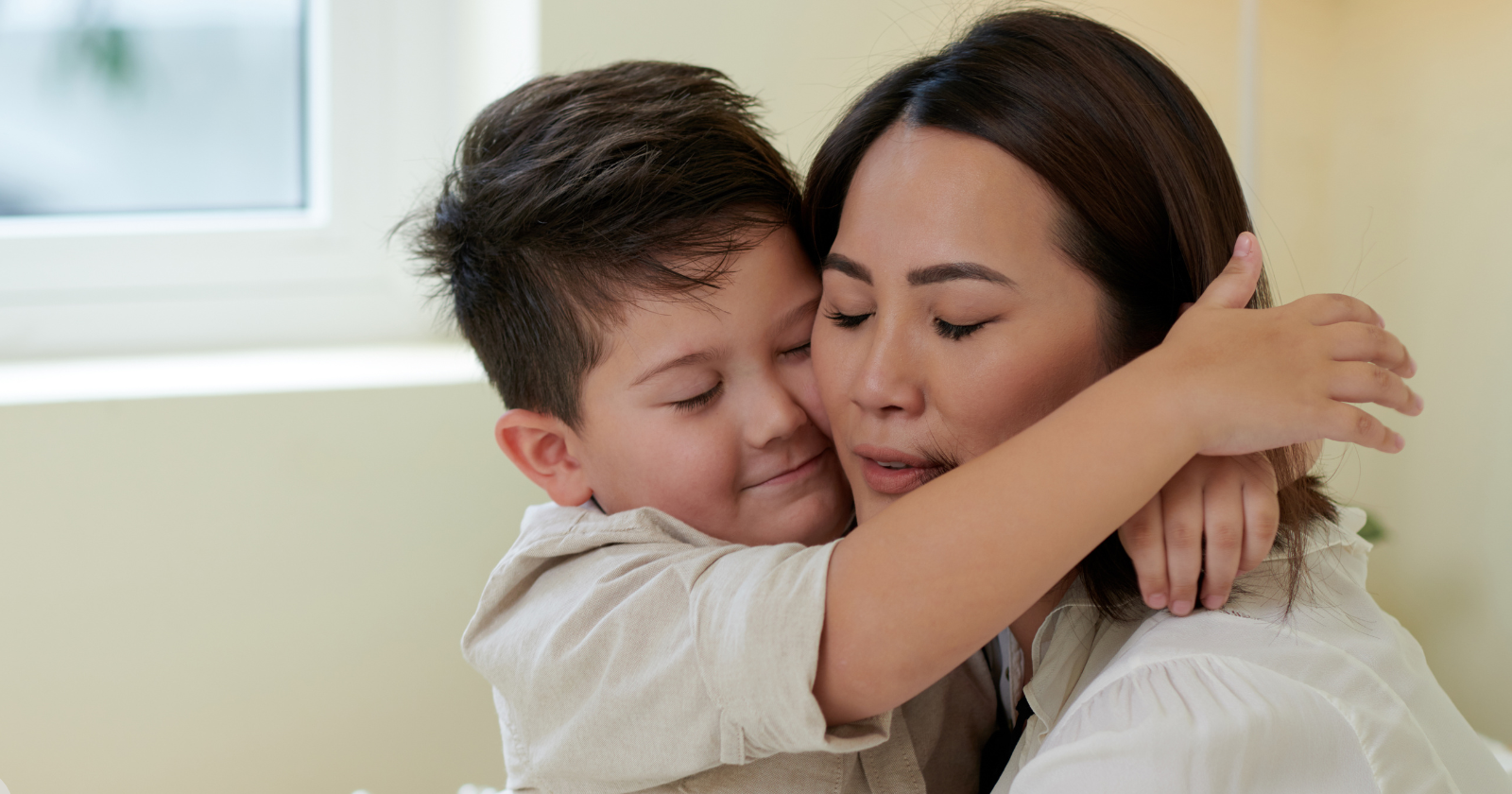
They’ll remember how they felt in your presence. They’ll remember being seen, being heard, being chosen. They’ll remember the ordinary Tuesday when you put your phone down and really played with them. They’ll remember feeling safe enough to cry, brave enough to try, and loved enough to fail.
So maybe we can let go of some of that pressure we put on ourselves. Maybe the messy house and the simple meals are actually just fine. Maybe what our kids really need is exactly what we have to offer: Our imperfect, authentic, fully present selves.
The crayon marks on my wall? They’re still there. But my kids remember that afternoon for the stories we read together on the couch, not for the walls I never finished cleaning. And honestly? That feels like getting it exactly right.
