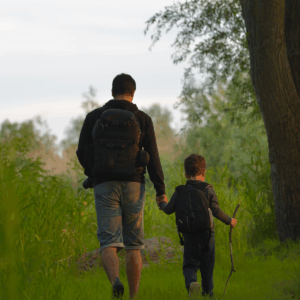
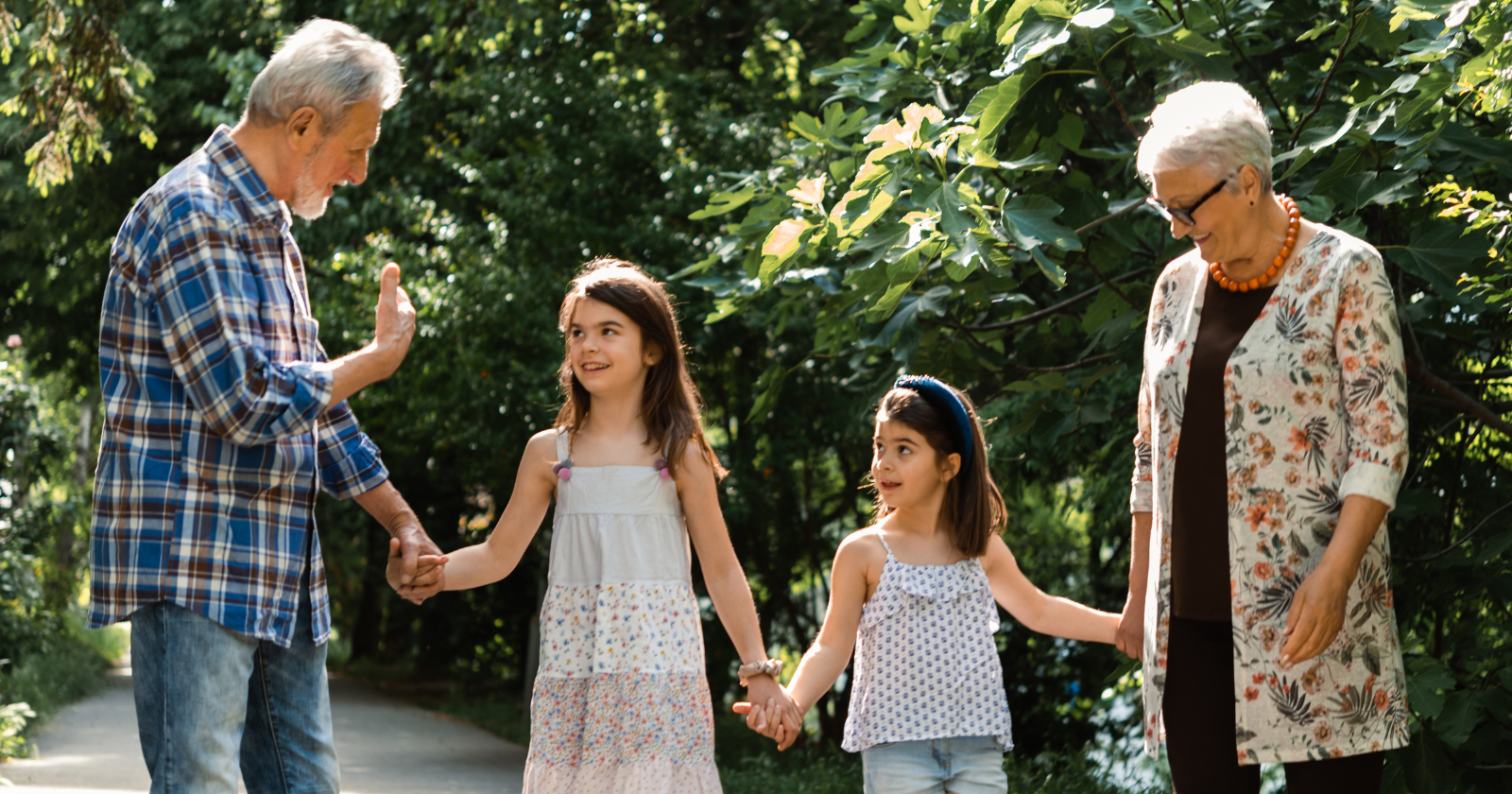
There’s something magical about Saturday mornings at my local park. Last weekend, my eleven-year-old grandson challenged me to identify birds by their calls.
I thought I knew a thing or two about birds after all these years, but he had an app on his phone that could record and identify them instantly. We spent an hour comparing what I thought I heard versus what the app said, and you know what? I was wrong more often than I was right.
That little competition got me thinking about how much my four grandchildren have changed my life in ways I never expected. Sure, I thought retirement would mean slowing down, maybe taking up golf, definitely catching up on reading.
But these kids have other plans for me, and I’m starting to realize they’re keeping me sharper and more engaged than I ever would have been puttering around on my own.
The funny thing is, they’re not trying to help me stay young. They’re just being kids. But their natural curiosity, their endless questions, and their assumption that Grandpa can keep up has accidentally become my fountain of youth.
1. They force you to learn new technology (whether you like it or not)
Remember when knowing how to program a VCR made you the family tech expert? Those days are long gone, my friend.
My grandchildren assume everyone knows how to FaceTime, download apps, and navigate YouTube. When my three-year-old granddaughter hands me her tablet and asks me to find her favorite cartoon, there’s no room for “I don’t know how this works.” You figure it out, fast.
I’ve had to learn about Minecraft, Pokemon Go, and something called Discord just to understand what they’re talking about at dinner. And here’s the kicker: once you start learning this stuff, you realize it’s actually pretty fascinating. I now read tech news to stay ahead of the curve. Who would have thought?
The research backs this up too. Learning new skills, especially technological ones, creates new neural pathways and keeps our brains flexible. My grandkids don’t know it, but they’re giving me daily brain training sessions.
2. They ask questions that make you think differently
“Why is the sky blue?” That one’s easy. But what about “If dinosaurs came back, would they remember being extinct?” or “Why do adults always say they’re tired?”
Kids ask questions that cut right through the assumptions we’ve built up over decades. Last week during a school pickup, my eight-year-old grandson asked me why some people are mean to others.
Related Stories from The Artful Parent
- 10 things that happened at every boomer family gathering in the 1970s and 80s that would horrify a modern parenting expert — and the one nobody mentions is that the kids were completely ignored by the adults for hours at a time, and that benign neglect built a level of resourcefulness that structured activities have never been able to replicate
- 7 things people who grew up as the “easy child” in a chaotic family carry into adulthood — and the reason they struggle to express needs in adult relationships is that they learned before age ten that being low-maintenance was the price of being loved
- I spent 30 years watching my children grow up and the single biggest mistake I made as a father wasn’t about discipline or rules — it was assuming that being in the room was the same thing as being present
Try explaining human nature to an eight-year-old without getting philosophical. It forced me to really think about my answer, to find simple words for complex ideas.
These conversations keep your mind nimble. You can’t coast on autopilot when a curious child is interrogating you about everything from why we have to pay taxes to whether fish get thirsty.
3. They keep you physically active (no gym membership required)
My weekend mornings at the park are non-negotiable. Rain or shine, we’re there. And let me tell you, keeping up with kids ranging from three to eleven is a workout program in itself.
We’re not just sitting on benches feeding pigeons like the stereotype suggests. We’re playing tag, pushing swings, teaching them to ride bikes, and yes, occasionally racing to see who can get to the big oak tree first. (I let them win. Most of the time.)
Physical activity is crucial for maintaining cognitive function as we age. But here’s what the studies don’t capture: it’s so much more fun when you’re playing pirates on the playground than when you’re trudging on a treadmill at the gym.
4. They introduce you to new interests and hobbies
Before my grandchildren came along, I had my set interests. I knew what I liked, what I didn’t like, and that was that. But kids don’t care about your established preferences.
- Psychology says the parents whose adult children gradually stop visiting aren’t usually the ones who were cruel or absent — they’re often the ones so focused on providing and protecting that they never learned to simply be company, and children grow up moving towards the people they feel easy with rather than the people they owe the most to - Global English Editing
- Psychology says children who grew up in unpredictable homes don’t just become anxious adults — they develop an internal alarm system so sensitive it can read a room in seconds, and they mistake that hypervigilance for intuition - Global English Editing
- Psychology says people who always apologize before stating an opinion weren’t born uncertain – they were trained as children that having needs made them a burden, and now display these 8 traits even in relationships where they’re genuinely safe - Global English Editing
Thanks to them, I now know more about solar systems than I ever did (one grandson is obsessed with space), I can identify most Pokemon by sight (don’t judge), and I’ve discovered that building with Legos is surprisingly therapeutic for a sixty-something guy with creaky fingers.
As I mentioned in a previous post about staying mentally sharp in retirement, trying new things is essential for brain health. My grandkids provide a constant stream of new interests, and their enthusiasm is infectious.
When a seven-year-old is excited about volcanoes, you can’t help but get swept up in learning about tectonic plates.
5. They give you a reason to stay current with the world
When you’re retired, it’s easy to disconnect from current events, especially the cultural stuff. Who cares about the latest music or what’s trending on social media?
But when your grandchildren are talking about their favorite YouTuber or the latest Disney movie, you want to be part of the conversation. I’ve watched more animated movies in the past five years than in the previous thirty, and you know what? Some of them are genuinely good.
Staying culturally relevant isn’t about being the “cool grandpa.” It’s about maintaining connections across generations. It keeps your perspective fresh and prevents you from becoming that guy who only talks about how things were better in the old days.
6. They remind you to find joy in simple things
Adults complicate everything. We worry about tomorrow, regret yesterday, and barely notice today. But spend an afternoon with a four-year-old, and you’ll rediscover the miracle of bubbles, the excitement of finding a really good stick, or the hilarity of making silly faces.
This mindset shift is powerful. Studies show that maintaining a sense of wonder and playfulness is linked to better mental health and cognitive function in older adults. My grandchildren are natural mindfulness teachers, though they’d laugh if I called them that.
7. They give you a compelling reason to take care of yourself
Here’s the truth: I want to be around for their graduations, their weddings, maybe even meet their kids someday. That’s a much more motivating reason to eat right and stay active than some vague notion of “healthy aging.”
When my doctor talks about cholesterol or blood pressure, I think about missing out on teaching my youngest grandson to ride a bike or not being there when the oldest needs advice about college. That makes the vegetables taste better and the morning walks feel less like a chore.
Having people who need you, who look forward to your visits, who save their best stories for Grandpa, that’s powerful medicine. It gives you purpose beyond yourself.
Closing thoughts
I used to think retirement would be about winding down, taking it easy, maybe becoming a bit set in my ways. My four grandchildren had other plans.
They’ve turned me into a student again, learning about everything from TikTok trends to why ants walk in lines. They’ve kept me moving, thinking, and growing in ways I never anticipated. They don’t know they’re doing it, of course. They just think Grandpa is fun to hang out with.
So here’s my question for you: What unexpected teachers have appeared in your life? Sometimes the best lessons come from the smallest professors.