
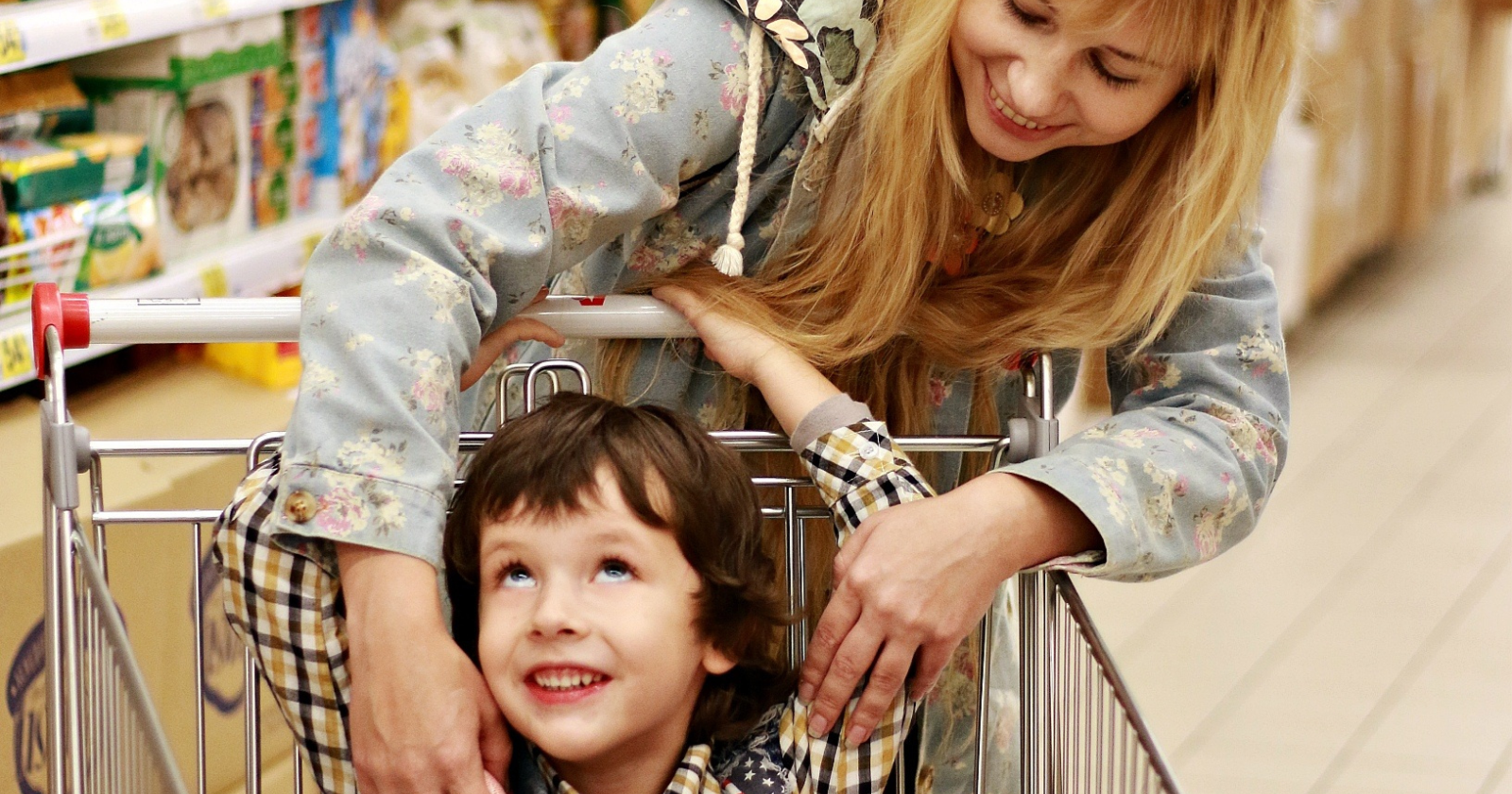
The fluorescent lights hummed above us while the grocery cart’s wonky wheel squeaked its familiar rhythm down the cereal aisle. I was mentally calculating whether we had enough almond butter at home when Ellie tugged at my sleeve, her face scrunched up in that particular way that signals an incoming meltdown.
She’d just watched another kid’s parent say no to the sugary cereal with the toy inside, and that child had erupted into a full-blown tantrum right there between the Cheerios and granola. My daughter stood frozen, watching this unfold with wide eyes. Then she turned to me, bottom lip trembling, and asked the four words that completely shifted my understanding of how kids process emotions:
“Am I like that?”
I almost dropped the box of oats I was holding. In that moment, watching her search my face for an answer, I realized something profound. She wasn’t just observing another child’s meltdown. She was seeing herself reflected in it, questioning her own emotional responses, and genuinely worried about whether her big feelings made her “bad” somehow.
When children become mirrors of each other’s emotions
Before having kids, back when I spent seven years teaching kindergarten, I thought I understood how children processed emotions. You validate their feelings, give them space to express themselves, and help them find coping strategies. Simple enough, right?
But standing there in that grocery store, I suddenly saw how much deeper it goes. Kids aren’t just experiencing their own emotions in isolation. They’re constantly watching, comparing, and trying to figure out where they fit in the emotional landscape around them.
My daughter wasn’t asking if she threw tantrums. She was asking if her emotions made her the same as that struggling child. She was developing emotional self-awareness by witnessing someone else’s emotional overflow, and it scared her.
Have you ever noticed how your child reacts when they see another kid crying at the playground? That deer-in-headlights look isn’t just surprise. It’s recognition. They’re seeing their own Tuesday-night meltdown reflected back at them, and they’re trying to make sense of it all.
The weight of watching ourselves through their eyes
After that grocery store moment, I started paying closer attention to how my daughter processed not just her own emotions, but everyone else’s too. When her little brother had a complete breakdown because I cut his sandwich “wrong,” she’d watch him, then watch me, then ask questions that revealed just how much mental work she was doing.
“Why does he cry so loud?”
“Do you get tired when we’re sad?”
“Is it okay that sometimes I want to scream too?”
Each question showed me that she wasn’t just feeling emotions—she was studying them like a scientist, trying to understand the rules and patterns. She was developing what researchers call emotional intelligence, but in the most raw, unfiltered way possible.
What really struck me was how much shame was already creeping into her emotional awareness at just five years old. Somewhere along the line, she’d absorbed the message that big emotions might be something to hide or be embarrassed about. And that broke my heart a little.
Breaking the shame cycle before it starts
Since that day, I’ve completely changed how I talk about emotions in our house. Instead of just validating feelings when they happen, we talk about them constantly—when we’re calm, when we’re reading books, when we see them in others.
When we witness another child having a hard time in public, I don’t rush past it or distract my kids. We acknowledge it with compassion. “That little one is having big feelings. Remember when you felt that frustrated about your tower falling down? Bodies sometimes need to let those feelings out.”
My default response has become “tell me more” whenever either of my kids brings up anything emotional. Not in a therapist-y way, but genuinely curious. “Tell me more about that feeling.” “Tell me more about what you noticed.” It opens doors I didn’t even know existed in their little minds.
The therapy session that changed everything
I need to be honest about something. After my second child was born, I dealt with postpartum anxiety that knocked me sideways. The overwhelm of managing two little ones while trying to maintain this patient, understanding approach to emotions nearly broke me.
Finding help through therapy wasn’t just about managing my own anxiety. It taught me something crucial: if I wanted my kids to be emotionally healthy, I had to model what that actually looked like. Not perfection, but the messy, real process of working through feelings.
My therapist asked me once, “What did you learn about emotions as a child?” The answer was basically nothing, except that they were inconvenient and should be managed quietly. No wonder I felt so lost trying to guide my kids through theirs.
Now, I let my kids see me taking deep breaths when I’m frustrated. I name my emotions out loud. “I’m feeling really overwhelmed right now, so I’m going to step outside for a minute to calm my body down.” They see that everyone—even adults—has big feelings, and that’s completely normal.
Why “I’m listening” matters more than advice
You know what’s harder than dealing with a screaming toddler? Sitting with a five-year-old who’s trying to articulate complex emotions she doesn’t have words for yet. The urge to jump in with solutions or explanations is overwhelming.
But here’s what I’ve learned: kids don’t always need us to fix their emotional experiences. Sometimes they just need to know we’re sturdy enough to hold space for whatever they’re feeling. “I’m listening” has become just as powerful as “tell me more” in our house.
When my daughter comes to me worried that she’s “too much” or “too loud” or “too sad,” I resist the urge to immediately reassure her that she’s not. Instead, I listen. I let her work through those feelings out loud. Nine times out of ten, she talks herself through it and comes to her own conclusions—usually healthier ones than I would have offered.
The emotions we’re really teaching
That four-word question in the grocery store taught me that our kids are learning about emotions on multiple levels simultaneously. They’re not just learning how to manage their own feelings. They’re learning whether emotions are safe, whether they’re acceptable, whether they make them good or bad people.
They’re learning whether crying means weakness or whether it’s just information from their body. They’re learning whether anger makes them scary or whether it’s a valid response to injustice. They’re absorbing all of this from us, from their peers, from every emotional interaction they witness.
What would happen if we stopped treating children’s emotions as problems to solve and started treating them as experiences to understand? What if instead of teaching emotional control, we taught emotional curiosity?
Moving forward with compassion
These days, when we’re in public and emotions run high—ours or anyone else’s—we treat them with the same matter-of-fact acceptance we’d give to any other human experience. Feelings happen. Bodies react. And that’s okay.
My daughter still asks questions about emotions, but they’ve shifted. Instead of “Am I like that?” she now asks things like “What do you think they need right now?” She’s learning empathy not through lessons about being nice, but through understanding that everyone—including her—sometimes struggles with big feelings.
The truth is, I’m still figuring this out as I go. Some days I nail it, and other days I’m the one having a meltdown over spilled milk (literally). But that’s okay too. Because maybe the best thing we can teach our kids about emotions isn’t how to manage them perfectly, but how to be human with them.
That moment in the grocery store changed everything because it showed me that our children are always watching, always learning, always trying to figure out where they fit in the emotional world around them. The question isn’t whether we’re teaching them about emotions. It’s what we’re teaching them. And honestly? Sometimes the most powerful lessons come from the questions they ask us when we least expect them.
