
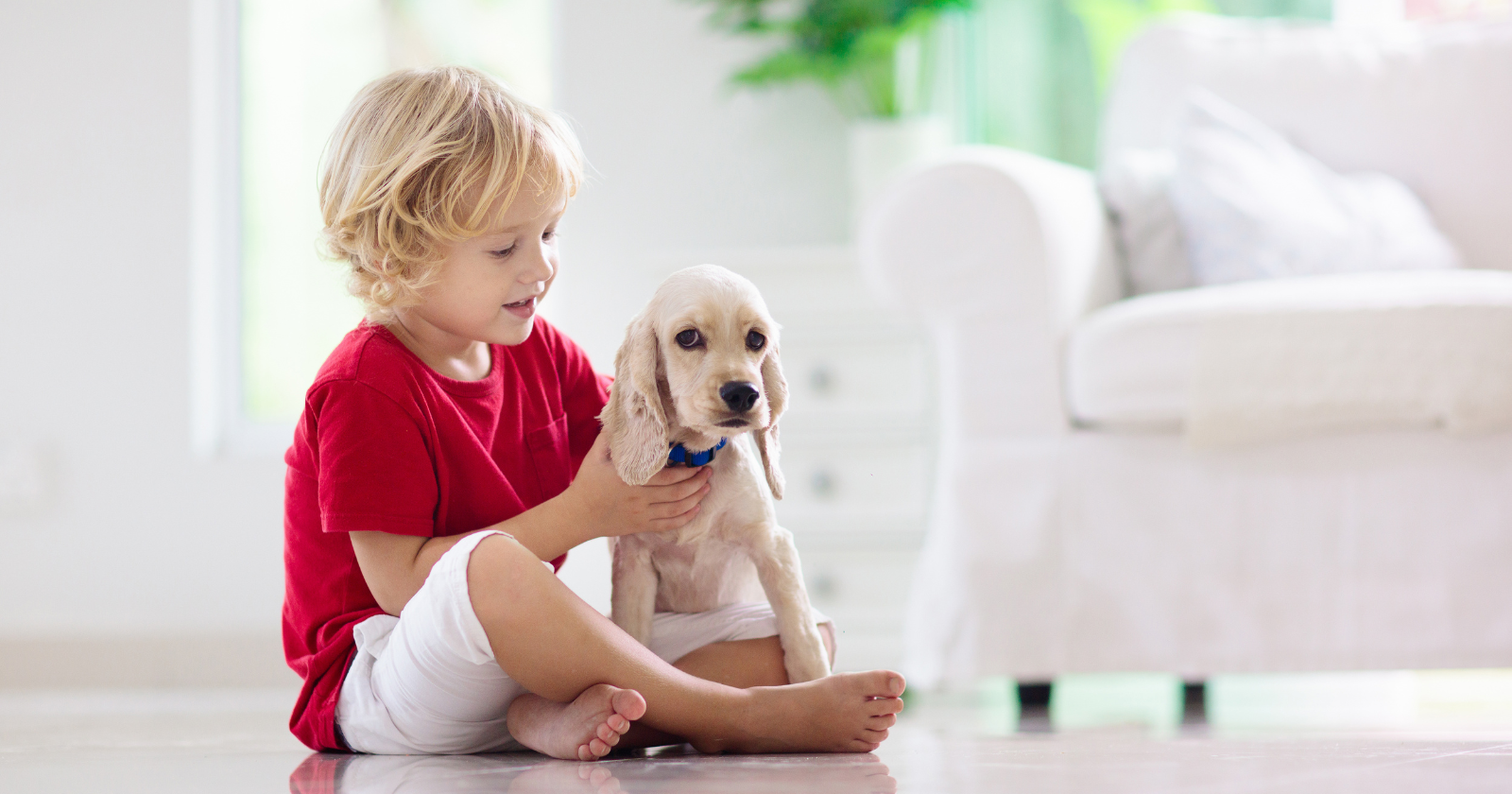
Last week, I found my five-year-old sitting cross-legged on the back porch, nose pressed against our old retriever’s fur, whispering secrets only he could hear. The morning light caught the dust motes floating between them, and for a moment, time seemed to pause.
She wasn’t just petting him; she was pouring her whole heart into that golden coat, telling him about the butterfly she’d found and how scared she was of starting kindergarten next month.
Watching them together, I realized something that’s been sitting heavy on my heart. We adults see these moments and call them adorable. We snap photos and say things like “how sweet” or “they’re best friends.” But what we’re really witnessing is something much deeper—the purest form of love a child knows, uncomplicated by the social rules and conditions that creep into human relationships.
And when that love ends, when that dog takes their last breath, our children face something we can never fully prepare them for: the crushing reality that some goodbyes are forever.
Why dogs become a child’s first real love
Have you ever noticed how a child talks to a dog? There’s no performance, no trying to impress, no worry about saying the wrong thing.
My daughter tells our dog everything—which kids were mean at the park, how she hates when her socks feel funny, why she thinks clouds might be made of marshmallow fluff. He listens with those patient brown eyes, tail thumping steadily against the floor, never interrupting, never judging, never telling her she’s being silly.
This relationship exists outside the complicated dynamics of human connection. A dog doesn’t care if your child had a meltdown in the grocery store or refused to share their blocks. They don’t withdraw affection when a child is difficult or demanding. They’re just there, constant and warm, a soft place to land in a world that can feel overwhelming when you’re small.
I remember being maybe seven, curled up with our family mutt after getting in trouble for something I can’t even recall now. That dog didn’t ask what I’d done wrong or tell me to think about my choices. She just let me bury my face in her neck and cry until I felt ready to face the world again. That’s a kind of acceptance most of us spend our adult lives searching for.
The sacred space between child and dog
Growing up, we didn’t have much money, but we always had dogs. They were part of the landscape of childhood, as essential as the vegetable garden out back or the homemade bread cooling on the counter. And in that simple life, I learned something profound: children and dogs share a language that doesn’t need words.
Watch a toddler with a patient dog sometime. My two-year-old will sit for ages just running his chubby fingers through fur, babbling nonsense that somehow makes perfect sense to both of them. The dog becomes witness to all the big feelings that don’t yet have names, all the discoveries too wonderful for words, all the fears too scary to speak aloud.
This relationship teaches children things we struggle to teach them ourselves. Gentleness—because dogs respond to how we touch them. Responsibility—because someone depends on them for food and water. Empathy—because they learn to read another being’s needs without words. But most importantly, they learn what it feels like to love something completely, without reservation or condition.
When the inevitable comes
Here’s where my chest gets tight just thinking about it. Every parent who’s brought a dog into their family knows we’re setting our children up for heartbreak. We know that golden retriever puppy will likely leave us when our kids are teenagers. We know that adopted senior dog might only give us a few precious years. We know, and yet we do it anyway.
Why? Because childhood is sacred time, not meant to be rushed, and the joy a dog brings to those years is worth the pain that will come. But when that day arrives—and it always does—our children face something monumental. Death isn’t abstract anymore. It’s not a goldfish flushed down the toilet or a hamster buried in a shoebox. It’s their best friend, their secret keeper, their comfort when the world felt too big.
My daughter recently asked me if our dog will die someday. I could have softened it, could have said “not for a long, long time” or changed the subject. But connection over perfection means being honest when it matters.
So I told her yes, someday he will die, and we’ll be very sad, but we’ll also be grateful for all the love he gave us. She thought about this for a while, then decided she’d better give him extra treats today, just in case.
What losing a dog teaches about love and loss
The first time a child loses a beloved pet, they learn that love doesn’t protect us from loss. They learn that even when we do everything right—all the vet visits, the best food, the gentlest care—we can’t love something into living forever. It’s a brutal lesson, one that shapes how they’ll approach relationships for the rest of their lives.
But here’s what I’ve noticed: children who’ve loved and lost a dog often become adults who love more bravely. They know the price of deep connection, and they choose it anyway. They understand that the pain of loss is proof of real love, that grief is love with nowhere to go.
Some might argue we should protect children from this pain, keep pets out of the picture until they’re “old enough” to handle loss. But when is anyone old enough for that? And what do we lose by shielding them from this fundamental human experience?
Finding meaning in the cycle
After we lost our family dog when I was twelve, I remember my mom letting me skip school the next day. We didn’t do anything special—just sat in the garden, pulling weeds and talking about all our favorite memories.
She told me that loving something that will die is the bravest thing a person can do. I didn’t understand it then, but I do now, watching my own children love our dog with their whole hearts, knowing what’s coming.
There’s something profound about how children process this loss. They don’t intellectualize it the way we do. They just feel it, fully and completely, and then slowly, naturally, they begin to heal. They might draw pictures of their dog in heaven or leave out a bowl of water “just in case they come back.” They work through grief in ways that we adults have forgotten how to do—honestly, openly, without shame.
Holding space for both joy and sorrow
So here we are, parents walking this tightrope between protecting our children and preparing them for life. We bring these four-legged teachers into our homes, knowing they’ll give our children their first taste of unconditional love and their first encounter with permanent loss.
Sometimes I watch my daughter with our dog and want to freeze time, keep them both exactly as they are—her with her gap-toothed smile and muddy knees, him with his graying muzzle and patient spirit. But that’s not how love works. Love exists in time, and time moves forward, regardless of our wishes.
What we can do is be present for all of it. The joy of a new puppy, the comfort of a steady companion, the sorrow of goodbye, and the gradual understanding that having loved so deeply was worth the pain. We can show our children that grief isn’t something to rush through or fix, but something to honor as evidence of real love.
And maybe, if we’re brave enough to stay open, we can learn from our children’s example. They love their dogs without holding back, without protecting themselves from future pain, without the complicated calculations we adults make about whether it’s worth it.
They just love, fully and freely, teaching us that maybe that’s the only way to really live.
