
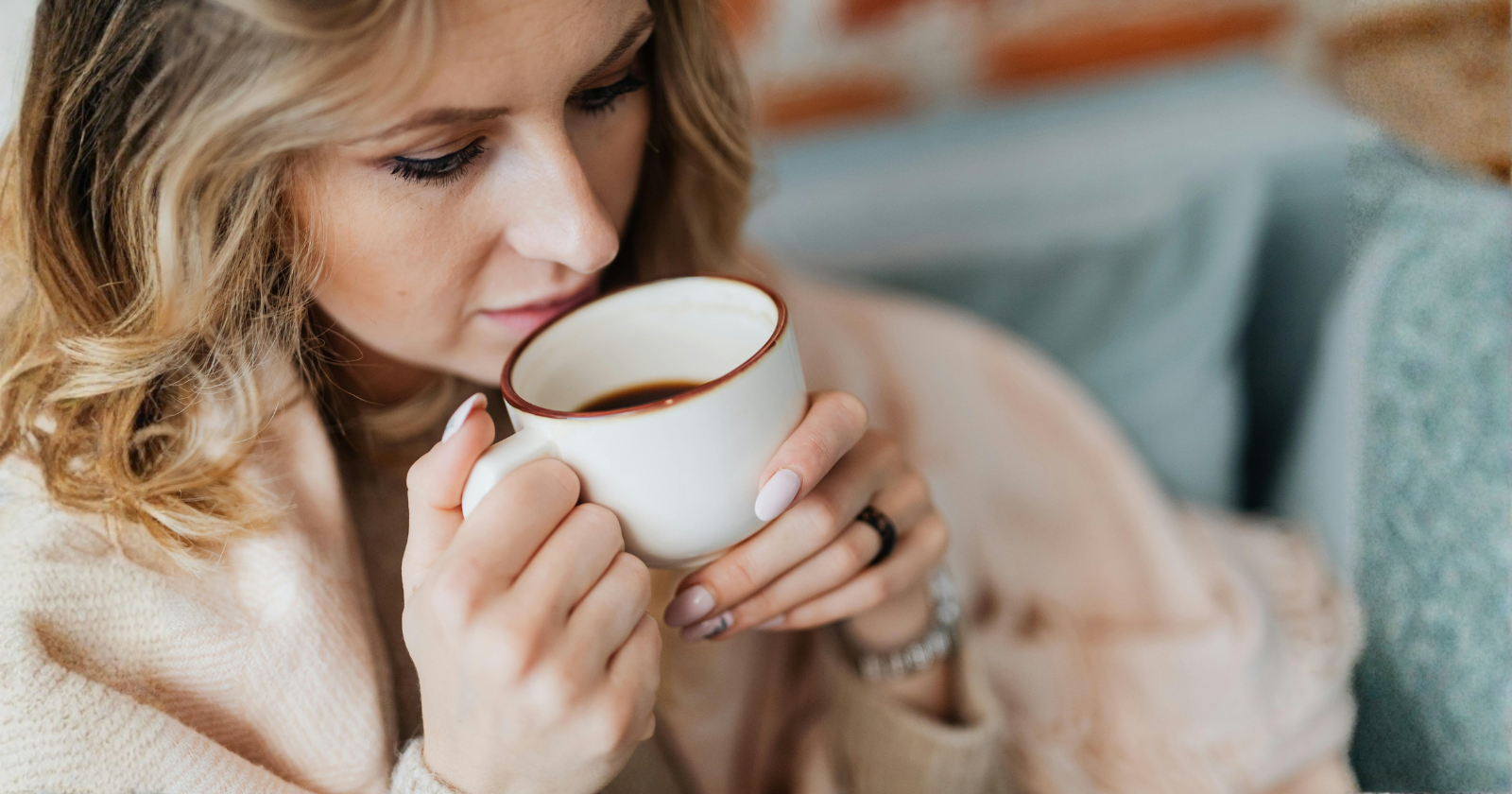
The house is still breathing its deep sleep rhythm when I slip out from under the covers, careful not to disturb the warm tangle of limbs beside me. My feet find the cold floor in darkness, muscle memory guiding me past the creaky board near the door.
The coffee maker’s gentle gurgle feels like conspiracy, like it knows this secret too. Steam curls up from my mug as I wrap both hands around it, standing at the kitchen window watching the world turn from black to purple to that soft gray that promises morning.
This is my time. These thirty minutes before anyone else stirs.
I’m not naturally a morning person. Never have been. In college, I was the one stumbling into 10 AM classes looking like I’d been hit by a truck. But somewhere between the first positive pregnancy test and now, I discovered something that changed everything: I need space to remember who I am beyond “mama.”
The weight of wanting both things
Here’s what nobody tells you about motherhood: you can love your children with every fiber of your being and still crave moments where nobody needs you. Where nobody’s calling your name. Where you can finish a complete thought without interruption.
My 5-year-old is this beautiful, tender soul who wants to tell me every single thing that crosses her mind.
Yesterday she spent twenty minutes describing the different ways leaves fall from trees. My 2-year-old alternates between velcroing himself to my leg and turning the living room into an obstacle course. I adore them. I’d throw myself in front of a bus for them without thinking twice.
And I still need these thirty minutes.
The guilt sits heavy some mornings. What kind of mother needs to escape from her own children? What would other moms think if they knew I set my alarm early not to meal prep or exercise or meditate for their benefit, but purely for mine?
Why mornings hit different
There’s something about the morning quiet that afternoon naptime or evening hours can’t replicate.
Maybe it’s because the day hasn’t demanded anything yet. The mental load hasn’t started its endless scroll of lunch plans, laundry, did I remember to switch the wash, when was the last time the little one pooped, are we out of almond milk, whose turn is it for preschool pickup.
In these thirty minutes, I don’t meal plan. I don’t make lists. I don’t scroll through Pinterest looking for sensory bin ideas or research whether that rash needs attention. I just sit with my coffee and let my mind wander wherever it wants to go.
Sometimes I think about who I was before. The woman who read entire books in one sitting. Who had opinions about things beyond sleep schedules and organic snack options. Sometimes I think about absolutely nothing, which might be the most luxurious thing of all.
The isolation inside togetherness
You’d think being surrounded by family all day would cure loneliness, but it’s possible to feel completely isolated while never being alone. Especially when your parenting choices put you outside the mainstream.
When other moms talk about sleep training and you’re still bedsharing. When they swap notes on which tablets to buy and you’re over here limiting screens. When the mom groups feel like competitions you never signed up for.
I scroll through social media some mornings during my quiet time and see these families who seem to have figured it all out. Kids in matching linen outfits picking vegetables from their pristine garden. Mothers who somehow look serene while making sourdough with a toddler on their hip. Their houses are always clean. Their children always cooperating.
Then I look at my reality: yesterday my toddler had a meltdown because his sister looked at his banana wrong, and I may have hidden in the pantry eating chocolate chips straight from the bag. The gap between their Instagram and my real life feels cosmic.
But in these morning moments, that comparison fades. It’s just me, remembering that I’m doing the best I can with what I have.
The things we don’t say out loud
My husband is wonderful. Truly. He takes Saturday morning pancake duty seriously and reads bedtime stories with different voices for every character. But I can’t tell him about these morning escapes. How would I explain that I need time away from the family I begged the universe for? From the children I dreamed about long before they existed?
He’d probably understand. He might even encourage it. But speaking it out loud would make it real in a way that feels too vulnerable. Like admitting failure at the one thing I’m supposed to be naturally good at.
So I keep this secret. Let him think I’m just naturally evolving into a morning person. Let the kids believe Mama simply likes greeting the day early. This truth stays tucked away with all the other complicated feelings that don’t fit neatly into the motherhood narrative we’re supposed to embrace.
Finding grace in the contradiction
What I’m learning, one dawn at a time, is that needing space doesn’t diminish love. That wanting to be alone sometimes doesn’t make me ungrateful for what I have. That the math of motherhood doesn’t always add up the way we expect it to.
These thirty minutes aren’t stealing from my family. They’re ensuring I have something left to give. When I hear those little feet hit the floor upstairs, when the morning chorus of “Mama!” begins, I can meet them with presence instead of depletion. I can listen to another leaf report with genuine interest. I can navigate the breakfast negotiations with patience.
This is what sustenance looks like
Tomorrow morning, my alarm will go off at 6 AM again. I’ll slip out of bed, brew my coffee, and claim my thirty minutes. Not because I’m running away from my life, but because I’m learning to stay in it sustainably.
Maybe someday I’ll tell them. When they’re older and navigating their own complicated relationships with love and space and need. Maybe I’ll explain how their mother learned that taking care of herself was just another way of taking care of them.
How those quiet morning moments weren’t about escaping them but about finding the strength to show up fully for another day of being needed, wanted, loved, and touched by small, sticky hands.
Until then, this remains my secret sanctuary. My daily proof that you can hold two truths at once: you can love people enough to die for them and still need space to breathe. The guilt might never fully resolve, the math might never balance perfectly, but maybe that’s okay.
Maybe that’s just what real motherhood looks like when nobody’s watching.
