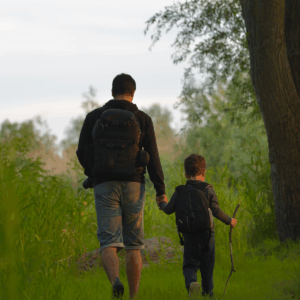
You know, when I hear about adult children who rarely visit their parents, the knee-jerk reaction from most folks my age is pretty predictable: “How ungrateful!” or “After everything their parents did for them?” But here’s what thirty years in human resources taught me about relationships—sometimes the most damaged people are the ones who look fine on the surface.
The truth is, those adult children who keep their distance? They’re not being cruel. They’re often trying to preserve what little emotional energy they have left after growing up in homes that constantly drained their reserves.
The invisible toll of growing up emotionally depleted
I’ve been thinking about this a lot lately, especially after starting therapy in my sixties (yes, you read that right—and I wish I’d done it decades earlier). My therapist helped me understand something crucial: emotional bandwidth isn’t infinite. When you spend your childhood managing a parent’s moods, walking on eggshells, or never quite feeling safe to be yourself, you’re using up reserves that other kids get to save for their future.
Jeffrey Bernstein, Ph.D., a psychologist who’s written extensively on this topic, puts it perfectly: “Adult children tell me of past hurts and painful events with their parents that make it feel draining or unsafe to communicate with them.”
Think about it like this: if you had a friend who consistently left you feeling worse after every interaction, wouldn’t you eventually stop answering their calls? Why do we expect adult children to keep showing up for relationships that deplete them?
When love means letting go
This might be hard to hear, but sometimes the most loving thing isn’t forcing a relationship. Edie Stark, LCSW, MSc, a psychotherapist, explains it this way: “Sometimes, the most loving thing you can do is to limit or end contact, as it can be a necessary step in breaking the cycle and healing.”
I learned this the hard way with my older son. For years, I pushed him toward a career path that made perfect sense on paper—stable, good benefits, the whole nine yards. What I didn’t see was how my constant “helpful suggestions” were actually pushing him away. It took me years to accept I’d been wrong, and by then, the damage to our relationship was considerable.
The patterns that push adult children away
You want to know what really drives adult children away? It’s not one big dramatic event most of the time. It’s the accumulation of a thousand small wounds.
Psychology Today reports that “Studies reveal that the main reasons adult children seek an estrangement from a parent are abuse, bad parenting, betrayal, mental illness, unsupportive behavior, toxicity, and drug and alcohol abuse.”
But here’s what I’ve noticed—many parents don’t even recognize these patterns in themselves. They’re still operating from an outdated playbook, treating their thirty-year-old like they’re thirteen.
Psychology Today notes that “Some parents struggle to maintain an updated template of who their children are.” Ring any bells? I know it does for me.
Why fathers often face more distance
Here’s something that might surprise you: research from Phys.org found that “adult children are over four times more likely to be estranged from their fathers than their mothers, suggesting that distancing may not be neglectful but a response to complex family dynamics.”
As a father myself, this statistic stings. But it also makes sense when you consider how many of us men from my generation were taught to be providers first, emotional connectors second (if at all). We showed love through working long hours and paying for things, not through vulnerable conversations and emotional availability.
The ripple effects of parental stress
During my decades in human resources, I saw firsthand how workplace stress affected people’s home lives. Turns out, there’s solid research backing this up.
BMC Public Health found that “higher psychosocial work stress in parents is associated with weaker parent-child bonding, highlighting how external stressors can impact family relationships and potentially lead to emotional depletion.”
How many of us came home from stressful jobs and took it out on our families without even realizing it? How many dinner conversations turned into lectures because we couldn’t switch off “boss mode”?
The lasting impact on emotional functioning
What really opened my eyes was learning how these early family dynamics shape people for decades. Research from PubMed examining parent-child relationships found that “changes in parent-child connectedness were associated with changes in adolescents’ depressive symptoms and self-esteem, suggesting that emotional dynamics within the family can influence individual well-being.”
In other words, those adult children keeping their distance? They might be protecting their mental health in ways they learned were necessary long ago.
My younger son once told me that my constant advice felt like criticism. That hit me like a ton of bricks. I thought I was being helpful, but I was actually telling him he wasn’t good enough as he was. Jeffrey Bernstein, Ph.D. captures this dynamic perfectly: “Overthinking leaves parents feeling disconnected from their adult children.”
Closing thoughts
If you’re a parent reading this and feeling defensive, I get it. Nobody wants to think they might be the reason their adult child keeps their distance. But here’s what I’ve learned: apologizing to your adult children for specific things you got wrong opens doors that staying defensive keeps closed.
The adult children who limit contact with their parents aren’t ungrateful or cruel. They’re often just trying to heal from wounds that were inflicted long before they had the words to explain what hurt.
So maybe the question isn’t “Why don’t they visit more?” but rather “What can I do to make visiting feel safe again?”