
Last week, my 5-year-old came stomping into the kitchen, face red and fists clenched.
Her brother had knocked over the fairy garden she’d spent all morning building.
I felt that familiar surge of frustration watching her melt down while I was trying to get dinner started, but instead of snapping or sending her to her room, I took a breath and said what I always try to say: “Tell me more.”
Growing up, I watched my own mother navigate single parenthood without much money but with endless patience.
When the car broke down again, she’d simply say “Well, looks like we’re walking today” and turn it into an adventure.
When dinner was just beans and rice from the garden, she’d light candles and call it a fancy restaurant night.
She never raged, never withdrew, never collapsed.
Now I see those same steady responses blooming in my own kids, and I realize they’re learning something that goes deeper than any therapy session could reach.
These aren’t skills you can practice in an office once a week.
They’re absorbed slowly, day by day, through thousands of tiny moments of watching how the adults in their lives handle the hard stuff.
1) The ability to pause before reacting
Remember that moment when your toddler dumps juice all over your laptop?
Or when your kindergartener announces they hate you because you won’t buy them a toy? Kids who watch their parents take that crucial breath before responding learn that space exists between feeling and action.
My 2-year-old already does this mini-pause when he’s frustrated.
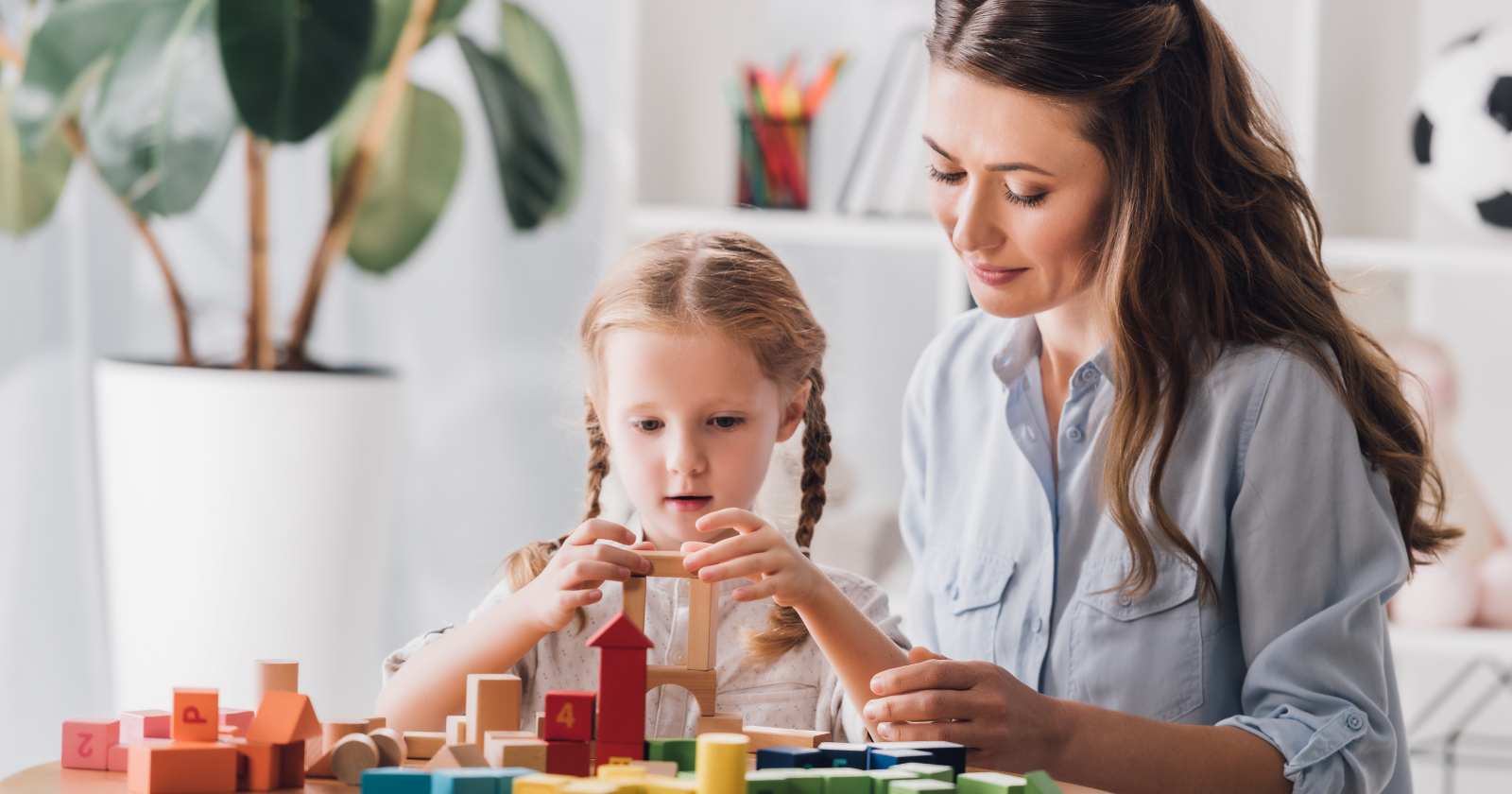
Just yesterday, he couldn’t get his block tower to stay up.
I watched him start to raise his hand to knock it all down, then stop, take a big breath (complete with dramatic sound effects), and try again.
He’s mimicking what he sees us do daily.
This pause becomes their internal reset button.
While other kids might immediately lash out when upset, these children have witnessed hundreds of examples of taking a beat first.
They know from experience that the first impulse isn’t always the best response.
2) Emotional vocabulary that goes beyond “fine” or “mad”
When disappointment hits in our house, we don’t just acknowledge it and move on.
We explore it. “I’m listening” has become our family motto, and it opens doors to conversations about feeling worried, frustrated, disappointed, overwhelmed, or even multiple emotions at once.
Children who grow up in homes where emotions are named and normalized develop rich emotional vocabularies.
They can tell you they’re feeling anxious about a test rather than just “bad.”
They understand that jealousy feels different from anger, even though both might make their chest feel tight.
This matters because you can’t regulate what you can’t name.
When these kids become adults, they won’t need a therapist to help them identify what they’re feeling.
They’ve been practicing since they could talk.
3) The understanding that feelings are temporary
How many times have you watched your child’s mood shift from devastation to delight in under five minutes?
When parents model riding out their own emotional waves without drama, kids internalize this truth: feelings pass.
I remember teaching my daughter this during a particularly rough bedtime.
She was sobbing about missing her grandparents, and instead of trying to fix it or distract her, I just sat there.
“This feels really big right now,” I said. “And that’s okay.”
Twenty minutes later, she was giggling about something silly the cat did.
Kids who see their parents acknowledge bad days without catastrophizing learn that disappointment doesn’t mean disaster.
They develop what psychologists call “emotional granularity” but what I just call wisdom: knowing that this too shall pass.
4) Problem-solving instead of panic
When the washing machine flooded our laundry room last month, my kids watched me assess, plan, and handle it step by step.
No yelling, no blame, just “Okay, first we need towels, then we’ll figure out what went wrong.”
Children absorb these problem-solving scripts.
They learn that stress is a signal to strategize, not spiral.
By adolescence, these kids approach challenges with a mental checklist rather than chaos.
They’ve seen it modeled so many times that calm problem-solving becomes their default mode.
This extends beyond practical problems too.
When friendship drama arises, these children think through solutions rather than getting swept up in the emotional storm.
5) The capacity for self-compassion
Ever notice how harsh kids can be on themselves?
“I’m so stupid” or “I’m the worst at everything” comes so easily to them.
But children who watch their parents treat themselves kindly during failures develop internal voices that sound more like coaches than critics.
When I burned dinner last week (again), I didn’t launch into self-attack.
“Well, looks like we’re having sandwiches tonight,” I said, laughing. “Good thing I’m better at PB&J than roast chicken.”
My daughter immediately chimed in with her own recent mistake and how she handled it.
These moments matter.
Kids who see adults mess up without self-destruction learn that imperfection is human, not horrible.
6) Boundaries without walls
There’s a difference between shutting down and setting boundaries, and kids who grow up watching healthy emotional regulation understand this intuitively.
They learn you can be disappointed in someone’s behavior without withdrawing love.
You can be frustrated with a situation without punishing everyone around you.
My mother was brilliant at this.
When overwhelmed, she’d say “I need ten minutes to myself, then I’ll be ready to help.”
She wasn’t abandoning us or giving us the silent treatment.
She was modeling how to care for yourself while staying connected.
These children grow up knowing how to say “I need space” without slamming doors, how to express anger without attacking, how to protect their peace without building walls.
7) The ability to hold multiple truths
Life is complicated, and kids who watch their parents navigate complexity without collapse develop remarkable psychological flexibility.
They understand that you can be grateful for what you have while still wanting more.
You can love someone and be frustrated with them.
You can be scared and brave at the same time.
During our lean years, I watched my mom acknowledge our struggles while maintaining hope.
“Money’s tight this month, and we’ll figure it out like we always do.” Both things were true.
She didn’t pretend everything was perfect, but she also didn’t catastrophize.
This skill is perhaps the most sophisticated of all.
It allows these children to hold space for life’s contradictions without being paralyzed by them.
Looking forward
Sometimes I watch my kids navigate their big feelings, and I’m amazed at their emotional intelligence.
My daughter comforting a friend with “Tell me more about that” or my son taking deep breaths when his tower falls down.
These aren’t things I explicitly taught them through lessons or worksheets.
They absorbed them through countless moments of watching how we handle our own human experience.
The truth is, children are always watching.
They’re learning from our pauses, our word choices, our breathing patterns when things get hard.
Every time we respond to frustration without rage, disappointment without withdrawal, and stress without collapse, we’re writing the script they’ll follow for the rest of their lives.
These skills can’t be taught in therapy years later nearly as effectively as they’re absorbed in childhood.
They become part of a child’s emotional DNA, their automatic response system, their fundamental understanding of how humans can be with feelings.
And that’s a gift that keeps giving, generation after generation.
